
World · taz · · 3h
Senate elections in France: Even more right-wing men in the old men's club
Deutsch (original) · Auto-translated to English
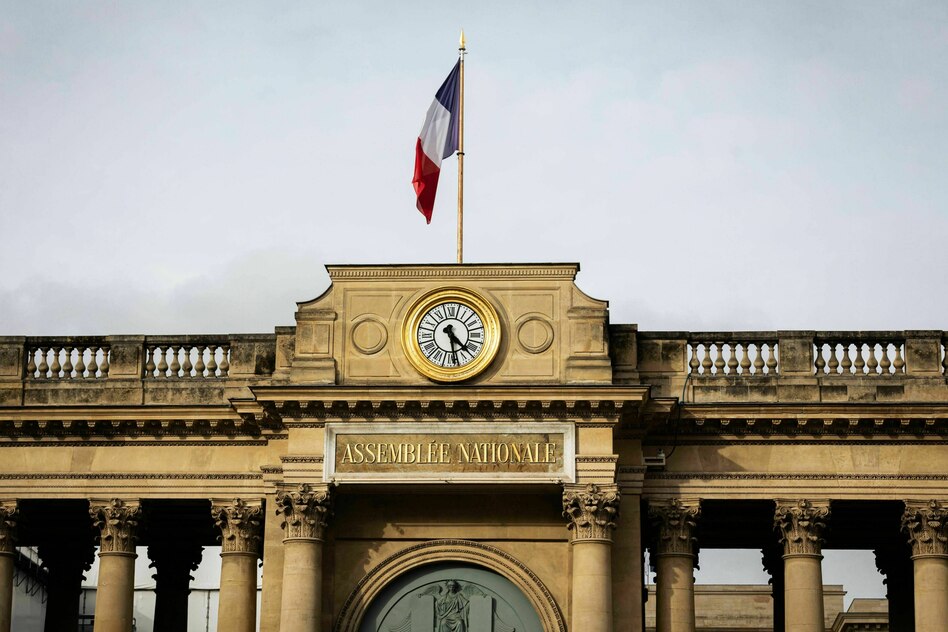
After the elections for 178 of the 348 seats in the French Senate this Sunday, the extreme right is in a position to form its own faction in the “upper house” for the first time. Marine Le Pen's Rassemblement National (RN) now has 15 senators (+12) thanks to the allies of Eric Ciotti's Union des Droites pour la République (UDR).
Ciotti is a former Conservative party leader and became mayor of Nice with the help of the RN. Now, conversely, he has proven to be a useful partner for the extreme right. He called on the “sincere patriots” in his former party Les Républicains (LR) to join him and presidential candidate Le Pen.
As a small or second chamber of parliament, the Senate does not directly represent the people, but rather the territories and the stability of the institutions. He is traditionally seen as conservative, slow and averse to political change. Major shifts in political composition are rare.
Le Pen himself celebrates the results of the Senate election as a “historic victory” that heralds further successes. Le Pen expressed indignation at the suggestion of certain opponents who wanted to isolate their group with a “cordon sanitaire” in the Senate, as proposed by the socialist Senator Patrick Kanner. Such wishes are “disgraceful,” protested Le Pen. The newspaper Le Monde considers it a “worrying warning signal” that the extreme right has been able to make such strong gains, primarily thanks to its local roots in rural regions.
Apart from this advance by the right-wing populists, which does not change the overall majority, almost everything in the Senate remains the same. Or rather, with THE old ones. The second chamber is considered the old gentlemen's club. At over 60, the average age in the Senate is eight years higher than that of members of the National Assembly. And despite all efforts to promote gender parity, almost two-thirds of the Senate is made up of men.
The outcome of the Senate election (every three years for half of the seats) is always determined by the balance of power in the last and penultimate local, regional and national elections. Because the right-wing populists from RN and UDR performed strongly in the local elections this spring and previously also in the early election of representatives in 2024, their success on Sunday is the logical consequence. For the same reasons, Jean-Luc Mélenchon's left-wing party La France insoumise (LFI) can enter the Senate for the first time with two mandates.
LFI could undoubtedly have won a few more seats, but the political left is more divided than ever in the run-up to the presidential election, in which it is running with half a dozen would-be candidates. And even the day after, there was nothing to indicate that these parties wanted to learn lessons from the election results and pull themselves together out of pragmatism.
The Socialists and Greens can count themselves lucky that their losses are limited, and the Communists are proud of a victory because they can maintain their 18 seats.
The conservatives hold their fortress in the Senate. Together with their partners from the bourgeois center parties, they still have a majority. As in the past, they can make it possible to either wave through government proposals together with the “Macronist” faction or to delay them. As in the national context, this center-right coalition is sometimes in favor of the government, sometimes in opposition.
Read the full story at the source
Source: taz