
Germany · taz · · 2h
Penal system in Austria: Fatal knife stabs in prison
Deutsch (original) · Auto-translated to English
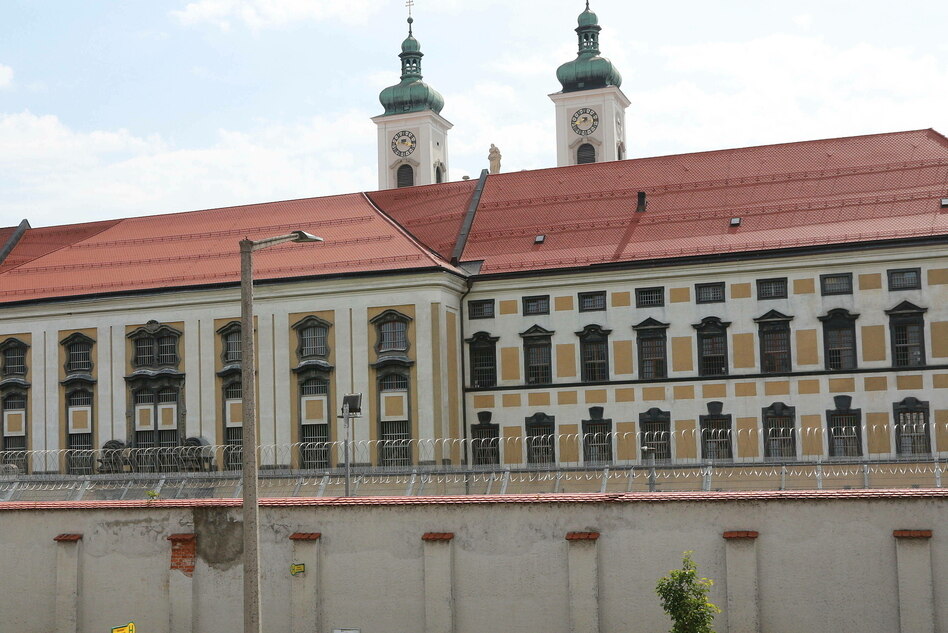
Prisons should actually be among the safest places, but in Austria the opposite is the case. Within a short period of time there were two murder cases behind bars. On Monday last week, a 40-year-old was killed with a butter knife by another prisoner at the Garsten Forensic-Therapeutic Center. Two weeks earlier, a 19-year-old was stabbed to death by a fellow inmate in the Klagenfurt prison.
The cases are symptomatic of a larger problem. For years, expert reports have shown systematic deficiencies in Austria's penal system, but so far nothing has happened politically. A sensational case in December 2025 did not change this, when a 30-year-old died in the Hirtenberg prison from injuries that were caused during the transport of prisoners. A commission led by criminal sociologist Wolfgang Gratz came to the conclusion that the prisoner would still be alive if the Ministry of Justice had implemented the Ombudsman's earlier recommendations.
Months later, experts sounded the alarm again. The hut is burning, stated Ombudsman Gaby Schwarz in the ORF interview in view of the current cases. She sees a downward spiral of “more and more prisoners” with “less and less staff”. The prisons are significantly overcrowded with an occupancy rate of 108 percent, while, according to the GÖD union, there is a shortage of around 500 prison guards and a number of psychiatric specialists.
The government program of the ÖVP, SPÖ and Neos does provide for higher capacities and relief of the prison situation, for example through ankle shackles and more time spent in prison in the country of origin. However, there is hardly any improvement in sight so far, says Veronika Hofinger from the Institute for Legal and Criminal Sociology at the University of Innsbruck: “But now a level has been reached where one has to say: It doesn’t work like this anymore.”
According to Hofinger, one of the main problems is the poor psychiatric care while at the same time increasing psychological problems among the inmates. There is not enough time for each individual prisoner. Added to this is the high number of prisoners: In Austria, 105 out of 100,000 people in the resident population are incarcerated, more than in Germany (69) or Switzerland (78). Hofinger also points to the greatly increased enforcement of measures, i.e. the forensic placement of mentally ill lawbreakers. But the offering hasn't grown with it.
The Criminal Policy Network, an association of several institutes and organizations, also sees a “highly tense situation” and an unacceptable undersupply, especially for mentally ill inmates. It cites studies that suggest overcrowding and long confinement times increase the number of violent incidents in prisons.
The Ombudsman argues similarly, attributing the record high number of suicides and suicide attempts to the “precarious prison conditions”. Hofinger also points to an important connection: “The worse the social climate in prison, the higher the number of recidivism afterwards.”
Major reforms are still a long way off. The amnesty for 500 prisoners proposed by Justice Minister Anna Sporrer (SPÖ) in June received no support from the coalition partners and was rejected. But there is no political agreement on other measures either.
The most important thing would undoubtedly be more staff. The Criminal Policy Network also calls for a reduction in disproportionate prison sentences for minor crimes and community work instead of prison sentences. So there are plenty of ideas. The question is what still has to happen before something changes.
Read the full story at the source
Source: taz