
Germany · taz · · 47m
US Foreign Aid in Cameroon: The Blood Nobody Talks About
Deutsch (original) · Auto-translated to English
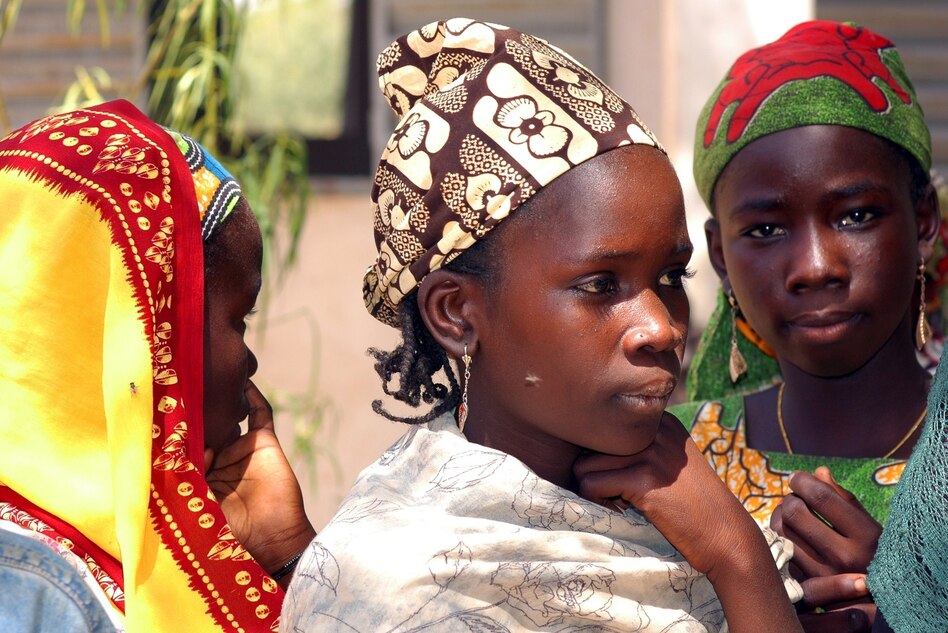
Fog rolls over the tea plantations of Tole, on the slopes of West Africa's highest mountain - Mount Cameroon - every morning. Thirteen-year-old Eposi lives here, in the Fako department in southwest Cameroon. The separatist conflict over the English-speaking part of the country, which has been simmering for years, has driven the girl, her siblings and her mother from the village of Ebonji, about 100 kilometers away.
As the eldest child, Eposi has adult responsibilities before and after school - fetching water, cooking meals and looking after her younger siblings while her mother works on the tea plantation in Tole. The wages are barely enough to cover food, rent and school fees.
When Eposi's period begins, she tears strips of worn-out fabric scraps her mother no longer uses, folds them carefully into her underwear, and prays they'll last through the day. They rarely do that.
Colleagues from 16 African countries are taking part in the 5th Africa workshop of the taz panter foundation. A 64-page, elaborately designed magazine was also created. It can be ordered now by email to stiftung@taz.de with the subject “Afrika-Magazin” and your name and postal address. Thank you!
The magazine's texts also appear here on taz.de.
Would you like to support the taz Panter Foundation:
• or via the foundation’s account details:
Each month brings the same fear: blood seeping through her school uniform, classmates noticing, laughter that cuts deeper than the material she relies on. “I don’t like going to school on my period,” she says. “I’m afraid the other kids will laugh at me.” So she sits stiffly in class, avoiding standing up or drawing attention to herself. Sometimes she just stays at home.
According to a 2024 survey by the UN children's fund Unicef, 70 percent of menstruating women and girls do not have access to basic hygiene products. 17 percent of girls miss school due to poor menstrual hygiene.
Around a million internally displaced people live in Cameroon, around half of them are children and around a quarter of them are probably girls. For girls already uprooted by conflict, menstruation has become an additional barrier to their education.
According to the UN, almost 2,500 schools have been closed due to the conflict and around 850,000 children are affected. For adolescent girls, this usually means that they are not educated about menstrual health.
By 2026, the government of Cameroon sought to partner with NGOs through its Menstrual Hygiene Management Program to provide relief. One of them is “Vision in Action Cameroon” (Viac). The non-profit organization sent educators to schools and villages. They educated girls about their bodies and distributed hygiene kits and trained their peers and community leaders as multipliers.
Support the taz panter foundation and its international projects with a donation. Learn more
The cuts in US foreign aid through the US government's temporary initiative known as DOGE, led by Elon Musk, hit Viac hard. “We had to cut salaries by almost 50 percent and lay off employees,” says Viac managing director Peter Fongeh. “Programs for people with disabilities, for sexual and gender minorities, and even for safe abortions – all of these were shut down overnight.”
The effects were immediate. Girls again resorted to unsafe practices: using foam, cotton or rags to deal with their periods. “One girl told us that she uses a sponge to soak up the blood, another said she stuffs cotton into her body to stop it,” Fongeh said. "That's the reality when education and resources disappear. Periods don't wait."
Because of the cuts, Viac had to shut down one of the few hotlines for safe abortions. “We know what negative effects this has,” says Fongeh. Maternal mortality will increase because women will again resort to traditional, ineffective contraceptive methods. The communities are asking for help, but Viac can no longer respond to these requests. “Cutting funding means cutting lives.”
The collapse of aid programs has also destroyed jobs. Sakwe Theophilus works at Cosmo, a church organization that was funded by USAID, among others, until 2025 and supports, among other things, HIV-infected children and their families. Theophilus organized events and led volunteers. “I’m fighting for survival,” he says now. "The little I earned fed my family. I thought the work would continue because the needs were endless."
Tallah Thierry worked at a USAID-funded HIV prevention program. He calls his hiring a “severe blow.” Although he is formally unemployed, he continues to visit the communities on a voluntary basis to check on the young people who are in need of help. “I had to start over in the job market with no hope,” he says.
Local NGOs are now scraping together donations to keep some of the educational work alive. They are far from being able to replace the cuts. Volunteers and benevolent individuals step in where they can, but their resources are limited.
“We stay afloat with the help of volunteers,” says Viac managing director Fongeh. The NGO offers training on how to make reusable sanitary napkins. But even that is difficult without resources.
Cameroon's government estimates the lack of funds for aid in the hygiene sector for the current year at 11.76 million US dollars. Without investment, menstrual hygiene education will continue to decline – particularly in conflict areas where government services are scarce.
Menstrual health rarely makes headlines. It lacks the urgency of war or famine. But when it is missing, it changes lives – through school failure, increased shame and increasing health risks. The silence around menstruation is itself part of the crisis. Teachers, who are often not adequately trained, avoid the topic. And girls like Eposi grow up without understanding their bodies and internalize the stigma surrounding it, isolating them even further.
Read the full story at the source
Source: taz