
Germany · taz · · 51m
Media in Colombia: sue, threaten, run over
Deutsch (original) · Auto-translated to English
The investigative department of Caracol Radio in Bogotá landed a scoop at the beginning of September when it published government internal information: No interviews and no press conferences - these are the leaked instructions from the presidential office to the ministries.
Exceptions apply to “friendly media” and for strategic topics – but only if permission from the President’s Office has been obtained beforehand. Ministers are only allowed to make one statement at events. Questions from journalists are not allowed. Vice ministers are no longer allowed to speak at all. The president alone makes the “big announcements” - without these being defined in more detail.
But there is not only less information, but also new rules for communicating with the press. In the future, the photo and video material should look like press material so that it can be used that way.
There are language regulations for this: spread “hope”, emphasize that “the bad times are over” and that “the fatherland is being rebuilt”.
What struck Caracol Radio came out officially as a communication guideline from the presidential office a few days later - but without reference to the special treatment of “friendly media”.
The Colombian Foundation for Freedom of the Press (FLIP) is alarmed. “We actually noticed these restrictions before the internal regulations became known,” said director Sofía Jaramillo Otoya to the taz. Several ministries refused to provide information after the severe earthquake on August 10th. Everything went through the presidential office.
The big problem is that access to information is limited and made more difficult. There is uncertainty among the media, which are currently seen as friends of the government and given interviews, says Jaramillo.
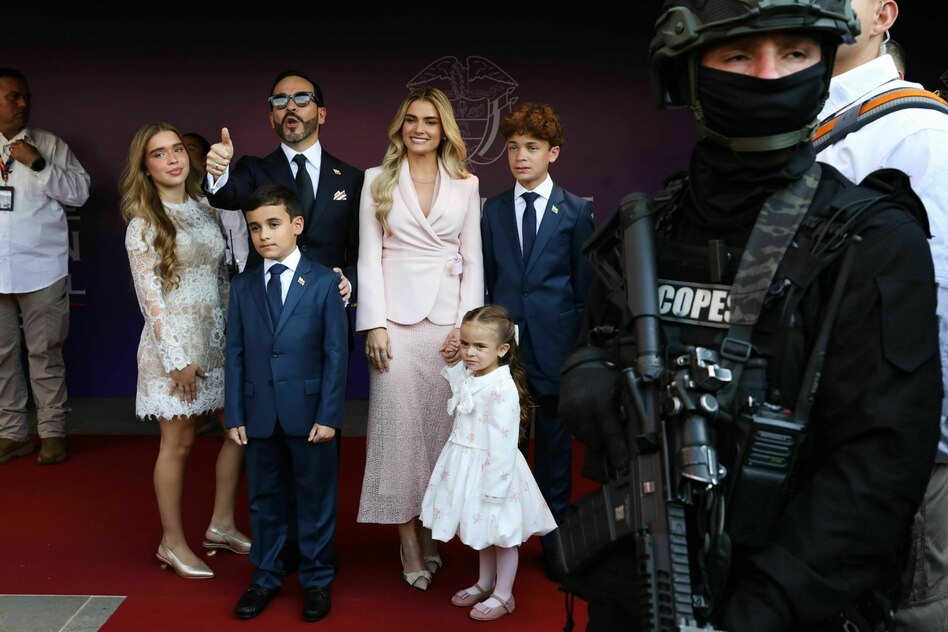
President Abelardo Gabriel de la Espriella Otero is notorious for his treatment of the press. During the election campaign and before, he bombarded journalists who took a closer look at him with lawsuits.
The election campaign was extremely dangerous for journalists, even by Colombian standards. “We recorded an increase in attacks on the press by almost 230 percent in the first round of voting,” says Sofía Jaramillo. Two journalists were murdered before the runoff election. The previous left-wing government had already stigmatized journalists. Today, a journalist is threatened every other day, and someone is threatened by an armed group every five days
The consequences are: self-censorship for self-protection. This could now intensify, Jaramillo fears. The further centralization of information and the additional hurdles made access particularly difficult for journalists in regions who would already find it more difficult to cover national news.
There are already the first personnel consequences. Political cartoonist Vladdo was recently fired by his employer RCN Televisión after he posted a cartoon of the president on his personal social media.
And at the end of August, the end of the program “Mañanas Blu 10:30” on Blu Radio, led by the famous political journalist Camila Zuluaga, was announced. Three-hour daily morning show, political news, analysis, critical interviews. Zuluaga is one of the journalists to whom de la Espriella canceled any further interviews - and whom he sued.
The president didn't like the show, says Ana Christina Restreop. She is the most recognizable face from Zuluaga's team. Restrepo itself has been under attack for months. She received death threats and has been traveling with bodyguards ever since. When she flew from Medellín to Europe in June, a taxi driver tried to run her over.
The situation has been tense since September 2025, says Restrepo. At that time she interviewed de la Espriella, who was pre-presidential candidate at the time. The show was broadcast live, and the result was aggressive and misogynistic comments, including from bots. And the threats didn't stop after that.
During a moderation in the election campaign at Eafit University in Medellín, a man showed up with election advertising and a sign and insulted Ramirez in the strongest possible terms. It was David Toledo, a right-wing extremist activist from the Centro Democrático party. Restrepo had to call security to remove him from the hall - the beginning of a smear and slander campaign by Toledo on the Internet.
The Centro Democrático is now the governing party. In the broadcast afterwards, Camilia Zuluaga asked Restrepo how she experienced the election victory in Medellín. It reminded her of how mafiosi crowned their leaders in the 1980s, she said.
A shitstorm then broke out. In the advertising department, people called and threatened to pull their advertising if Restrepo wasn't fired - and some did. Camilia Zuluaga was summoned so that Restrepo could set the record straight. “But you don’t correct opinions,” says Restrepo.
In fact, some of de la Espriella's supporters celebrated in a similar way to the narcos in the 80s: with aerial shots and firecrackers. And not just in Medellín. In Hatoviejo on the Caribbean coast, a 16-year-old died after a ricochet hit her while partying.
Since then it has been said again and again: “We have to be careful, otherwise they will take the shipment away from us,” says Restrepo. On August 31st they would have made a completely normal broadcast. In the subsequent reaction meeting, the broadcast team was announced to be out of action. Reason: The show is not sustainable. No one has provided any figures to prove this. The listener numbers have always been excellent.
Everyone who could be fired had to leave. Restrepo will reach retirement age next year. It is under special labor law protection. She will no longer be allowed to use a live microphone on the station until then. She was offered a podcast that could be pre-produced and, if necessary, defused.
The messages are clear: “We will morally destroy a critical journalist like you.” And as far as the show is concerned, she is certain: “It’s not about Camilia Zuluaga or me, but about all the media: either you moderate yourselves or we destroy you.”
Read the full story at the source
Source: taz