
Germany · taz · · 54m
Demand for the right to vote for everyone: “The right to vote must apply regardless of citizenship”
Deutsch (original) · Auto-translated to English
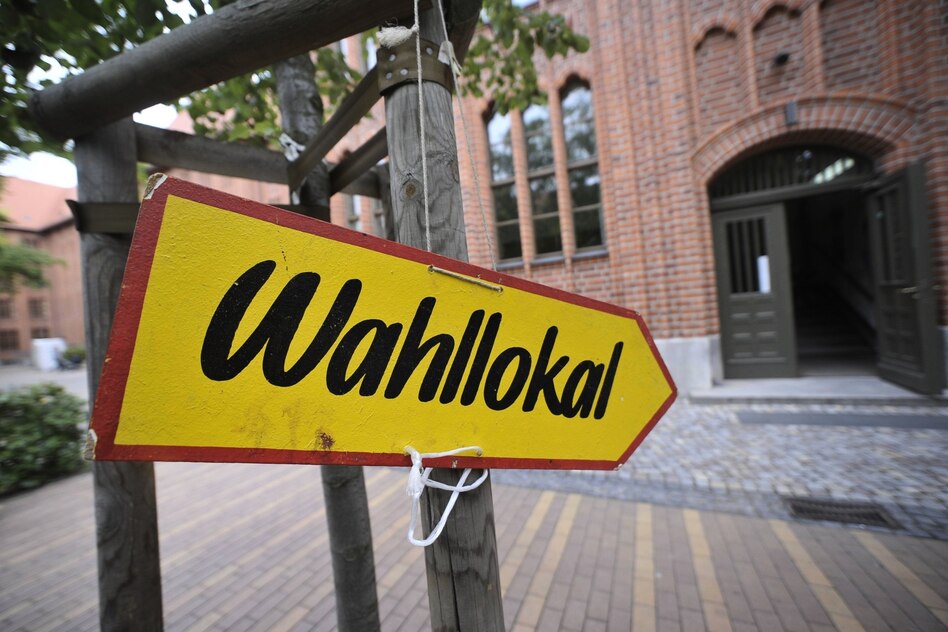
taz: Mr. Can, what does it mean for politics in Berlin that almost 1 million people living here did not vote?
Halil Can: People act as if these people don't even exist. The idea is that those who are elected also have the right to decide about everyone who lives in the city - and therefore also about those who are not allowed to vote. This is disempowering and a democratic deficit. Those entitled to vote – as the privileged – would have to take political responsibility and share the power they possess.
Halil Can is a political scientist with a focus on work and research on migration and (anti-)racism. He is involved in the “FIT US ALL” alliance, which campaigns for equal rights and the right to vote for everyone.
Can: Political representatives could make this an issue, lawyers could initiate a legal debate about it, the media could report on it, churches and trade unions could demand it. There is also a lack of pressure from civil society.
taz: And the non-voters themselves, what could they do?
Can: Migrant self-organizations have been fighting for the right to vote and equal rights for generations. But I observe that so far they have not been able to turn it into a large, networked movement.
taz: Will more naturalizations solve the problem?
Can: It was a big step that the traffic light coalition reformed citizenship law and dual citizenship is now possible. This was a long fight. But naturalization alone does not solve the problem of the democratic deficit. And they also take too long: At the current pace, it would take 30 years nationwide for the authorities to naturalize all 10 million residents without a German passport. Berlin has become faster and naturalized 40,000 people last year. In 2023 there were just 9,000 per year, before that it was between 6,000 and 7,000. But naturalization must also be wanted by the state and society.
taz: Who do you think should run such a campaign?
Can: That would be the responsibility of the state. He should also create the framework conditions, such as offering free language courses for everyone who comes to Germany. In addition, the main thing is to send the message: You are welcome, we give you all the rights. This positive narrative is needed.
taz: Isn't the change in the law enough as a framework condition?
Can: There was even a tightening of the law again in 2025. In addition, the so-called attitude paragraph has been in effect since 2023, according to which the authorities can revoke citizenship in the first 10 years. I'm surprised that civil society hasn't criticized this paragraph much more strongly. Because it establishes citizenship on probation, as if one were a potential criminal. That doesn't send a welcome message, it creates a two-tier system. It is a step backwards, because such citizenship is reminiscent of the right of descent from before. And this ultimately strengthens racist demands for expulsion, expatriation and remigration, not only from the ranks of the AfD, but also from other right-wing extremist, national and conservative forces in society. This shows once again that citizenship should not be the basis for the right to vote.
Can: Firstly, not everyone wants or can become naturalized. Secondly, it has already been implemented among EU citizens at the local level. And in 14 of the 27 EU countries, the right to vote already applies regardless of passport.
taz: Could Berlin introduce voting rights for everyone at the state level?
Can: Unfortunately no. The states can regulate parts of the electoral law themselves, such as allowing young people aged 16 and over to vote. But the Bundestag would have to decide on the right to vote for everyone. Unfortunately, the CDU and AfD rejected the Left's motion for “suffrage for all” submitted in May. However, the Berlin Senate could initiate a Bundesrat initiative together with other federal states and thus put “suffrage for all” on the political agenda.
taz: What exactly could voting rights for everyone look like?
Can: I imagine a staggered regulation: All citizens should have the right to vote in local elections and referendums, and in state elections everyone who has lived here for three years. At the federal level, everyone who has made their home here for five years. By the way, this is also a good recipe against the AfD and similar political movements.
taz: To what extent? Don't such debates tend to fuel resentment and racist reflexes?
Can: If we want to counteract authoritarian and fascist tendencies, we have to get the marginalized people on board. Germany has become a plural, diverse migration society. The demand for equal rights for everyone is not just about ensuring that those who are discriminated against get their rights. In doing so, we also combat developments that ultimately have a negative impact on everyone. Ultimately, it is about a new narrative of nation and democratic coexistence.
Read the full story at the source
Source: taz