
Germany taz
Change of power in Serbia: A neglected structure does not heal overnight
While an autocratic regime was voted out in Serbia, Baška Voda in Croatia shows how fragile a new democratic beginning remains. more...
Deutsch (original) ·Auto-translated to English
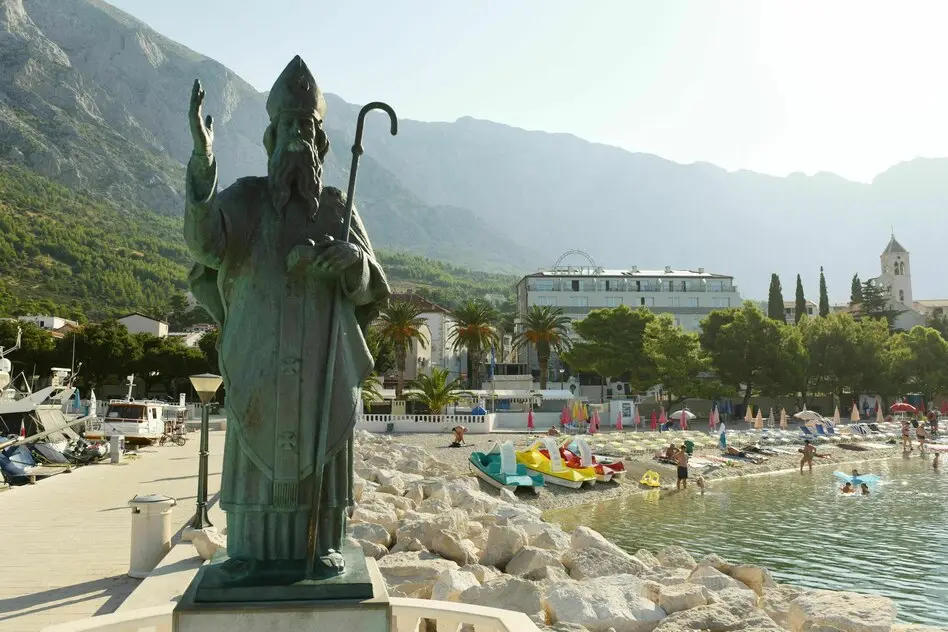
While autumn 2026 promises a spring of democracy in Serbia, the spring of democratic change for the new government on the Makarska Riviera has already arrived in the neighboring state of Croatia in autumn.
Next Sunday, a referendum to vote out the new mayor will be held in the Adriatic municipality of Baška Voda.
Readers who are interested will still remember the detailed reporting in this column about the vote-out of the 32-year-old mayor in the small Dalmatian coastal municipality. A year and a half ago, the alliance of Social Democrats, ex-party members and the mini-list “The Three Bays” achieved a historic victory over corruption worth millions, close-knit cronyism and a vicious lack of transparency in a dramatic election campaign that included two repeat elections and The Godfather vibes.
On a micro-local level, it was the same act of political liberation that the world witnessed in Serbia last Sunday. An autocracy that was thoroughly morally rotten, predatory, dog-loving and rhetorically flawed was voted out.
However, the hopes that were associated with the new mayor are buried, even if only in certain areas. In the summer, Vjekoslav Radić, who was supported by the opposition as an independent candidate, rejoined the party he had once left in protest against nepotistic structures: the HDZ. The party of the country's founder Franjo Tuđjman, to which the old mayor and the incumbent Prime Minister of Croatia belongs, and which is criticized nationwide for corruption and nepotism no less harshly than the Vučić government in Serbia.
Renewed party membership alone would not be decisive in withdrawing confidence in the new mayor. After just a few months, however, his political behavior was characterized by opaque, economically and legally questionable, anti-democratic decisions, by favors with people close to the church here, with people close to the HDZ.
At the end of September, the majority of community representatives agreed that the new mayor was no longer acceptable, had allegedly committed a criminal offense and decided to hold a referendum in which the citizens should decide whether the new mayor should remain the old one.
The ex-mayor also voted for the referendum against his successor and took part in a local council meeting for the first time in a year and a half. The price was that his party announced that it would expel him from the party. Meanwhile, the incumbent mayor is calling on his community to boycott the referendum and spend the day with family.
If you are now confused as to which mayor left which party, was expelled or rejoined: it doesn't matter, the two are interchangeable.
Instead of the column, it would be better to write a crime novel about this grotesqueness of democracy. But that's the reality. Defeating a corrupt government never leads directly to the Garden of Eden.
The example of Baška Voda shows that a neglected structure does not heal overnight, nor that former opponents of corruption cannot be corrupt. But it also shows that regime change is not lost just because there are apostates. It is the nature of democracy that victory only comes in stages. The next stage in the small Adriatic community follows on November 6th. And there will definitely be spring this fall.