
Germany · Perspektive Online · · 48m
Praise for Germany from the USA: Pistorius and Hegseth seal new arms deal
Deutsch (original) · Auto-translated to English
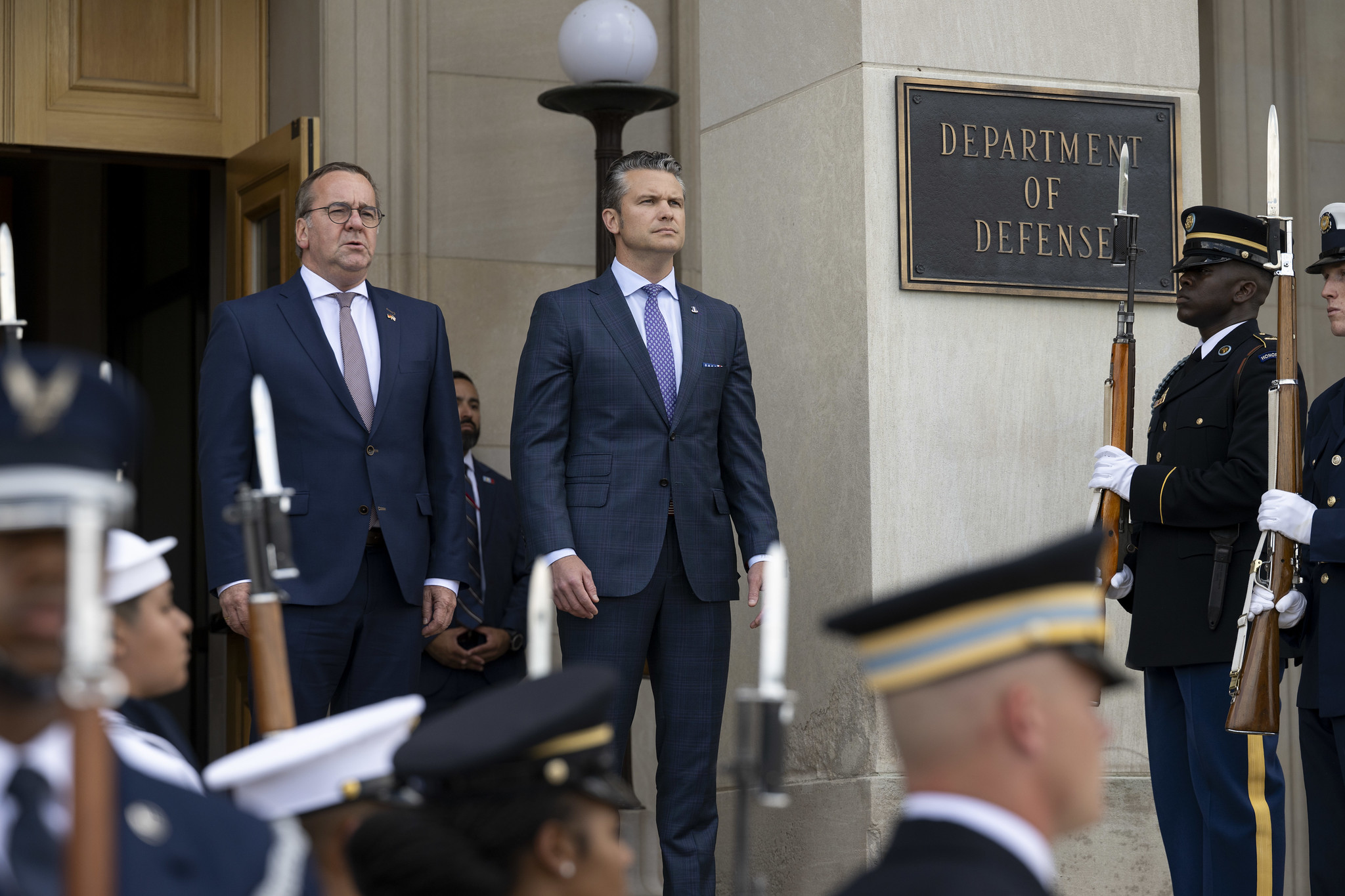
After a long period of political tension, the USA and Germany have signed a joint declaration of intent for arms deliveries. Both states appear to be getting closer again at NATO level. But several questions remain unresolved.
Federal Defense Minister Boris Pistorius (SPD) and his US counterpart Pete Hegseth met in Washington on September 15th to sign a joint declaration of intent. The aim is to significantly deepen cooperation between the two countries in the arms industry.
But Pistorius doesn't travel for that aloneAgreementto the USA. Following the meeting with Hegseth, he travels to New York to meet UN representatives. The aim is to talk about the future of the so-called Blue Helmet missions and other foreign missions, including those of the Bundeswehr. Pistorius ends his trip to the States in Texas.
There he meets the US aircraft manufacturer Lockheed Martin. The company then officially hands over the first of 35 F-35 stealth jets acquired by Germany. The aircraft are intended to replace the aging Tornado fleet. The F-35 is considered the most modern fighter aircraft in the world and is also purchased for NATO's deterrence concept, Germany's nuclear participation. The first jets will initially remain in the USA, where German pilots will be trained on site.
Rapidly increasing militarization
The letter of intent basically creates onepolitical frameworkfor closer cooperation between the powerful German and US defense industries. In the future, these will complement each other more closely in the production of state-of-the-art weapon systems, components and complex ammunition.
The agreement deals more specifically with the joint development, production, license production and maintenance of military equipment. In addition, the common supply chains are to be strengthened, the rules for technology transfer are to be reviewed and greater cooperation in research and development is to be decided.
Both states justify the need for this due to the increased need for armaments. These require higher production capacities and reliable, short delivery times on both sides of the Atlantic in order to ensure NATO's operational capability.
Tomahawk cruise missiles and F-35 stealth jets
Projects already underway are set to benefit from the agreement - such as the production of guided missiles for the Patriot air defense system in Germany, as well as cooperation on the F-35 stealth jet.
However, Germany's planned purchase of Tomahawk cruise missiles remains open: a fundamental agreement on this matter was already reached in July at the NATO summit in Ankara. The details have to be loudPistoriushowever, still to be negotiated. According to him, it is about moving closer together in the areas where we need each other and making it clear that both sides can benefit from greater capacity in their respective “defense industries”.
At the same time, he made it clear that the arms purchase should not lead to Germany becoming too dependent on the USA. Rather, it is intended to contribute to a more balanced partnership. But even if Germany does not receive Tomahawk cruise missiles from the USA, there is already insurance in place. They could soon be produced in a planned new weapons factory by the manufacturer Covenant in Leipzig.
US-Israeli start-up Covenant wants to build weapons near Leipzig
Close cooperation despite previously tense transatlantic relations
The timing of the signing is not uninteresting politically. For months, US President Donald Trump and his government had publicly criticized Germany and other NATO partners, accusing them of not doing and investing enough in their own “defense” and of relying on US protection. However, this tone has now noticeably changed.
In August, US Secretary of State Elbridge Colby at NATO headquarters even praised Germany as a role model for other allies and spoke of an “extraordinary tectonic shift” and a “historic change”. Germany has moved from extensive demilitarization to rapid rearmament.
However, this also builds on the many years of economic development in the slipstream of the USA. Now Germany is actually able and willing to advance militarization. Pistorius also reported a friendly, relaxed conversation without new demands or criticism of Germany's actions by Washington.
How many US troops remain in Germany?
The massive increase in German defense spending over the past year and a half is therefore given great credit in Washington. Germany wants to continue to develop as a reliable but increasingly independent partner instead of just being a buyer of American defense technology.
At the same time, a central question remains unanswered: how the future US troop presence in Europe will develop. Germany has already offered NATO ships, fighter aircraft and unmanned weapon systems as partial replacements for capabilities previously guaranteed by US forces.
Ultimately, the arms deal is more than just economic policy: it marks a new start in the transatlantic relationship, which has previously been significantly strained by trade and customs disputes as well as repeated accusations from Trump. Nevertheless, many details, such as purchasing a tomahawk, still need to be negotiated.
The postPraise for Germany from the USA: Pistorius and Hegseth seal new arms dealappeared firstperspective.
Read the full story at the source
Source: Perspektive Online