
World · Tribune · · 3h
Britain Has Found its Voice on the Occupation, But Still Can’t Speak About its Own Record
English (original) · Read in Deutsch ⇄
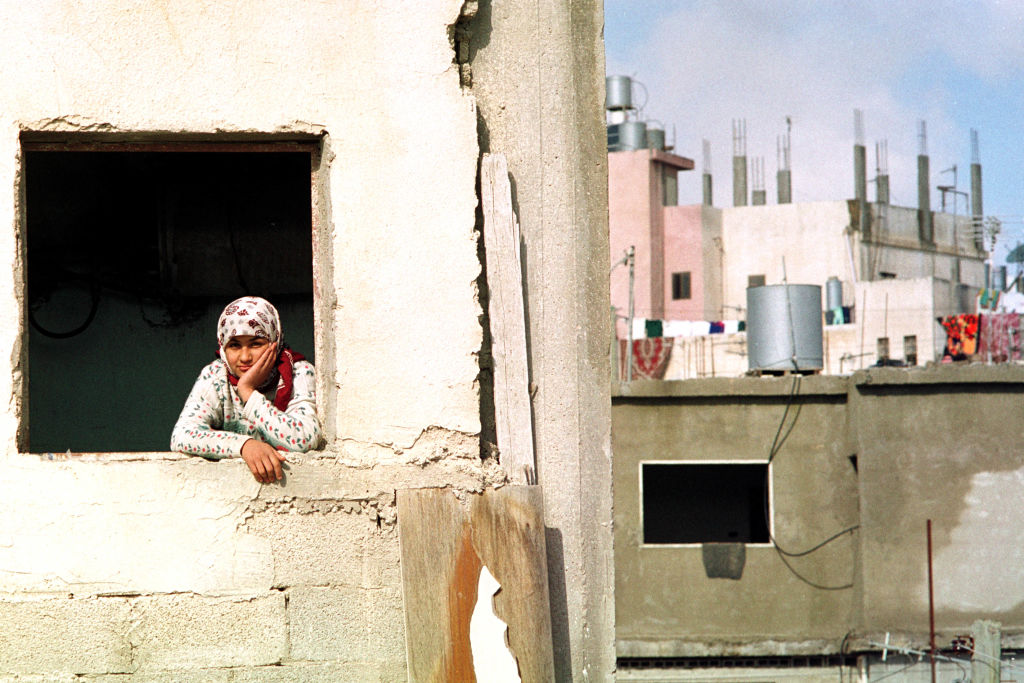
The Israeli foreign minister recently published a list of eleven British MPs who will no longer be admitted to Israel, and my name was on it. The announcement came alongside the closure of our consulate in East Jerusalem, all of it presented as retaliation for the sanctions the Foreign Secretary had set out that morning. I do not intend to dwell on my own exclusion, because what matters is the decision that prompted it and the much older question that decision leaves unanswered.
The sanctions themselves are welcome and long overdue, announced in language more candid than anything a British government has previously managed. From the despatch box on 8 September the Foreign Secretary told the House that ministers now regard Israel’s occupation of the West Bank as unlawful, that Palestinians in parts of that territory are being ethnically cleansed by Israeli settlers, and that members of the Israeli government have acted to support their forcible displacement. Ministers have proved willing at last to name what is happening now, which makes their silence about how it began harder to defend.
Neither the occupation that ministers have now called unlawful nor the settler campaign driving Palestinians off their land in the West Bank appeared from nowhere. The system of settlement, dispossession and emergency rule now being penalised was assembled in significant part by Britain, over the three decades in which it ruled Palestine. The Balfour Declaration of 1917 committed a British government to a national home for one people in a land overwhelmingly inhabited by another, without their consent and in breach of undertakings already given to Arab leaders, and the Mandate built to give it effect rested on no lawful authority.
Ministers do not have to take my word for any of this, because the full case was placed before them in September last year, when fourteen Palestinians served a 400-page legal petition on the Prime Minister, Foreign Secretary, Defence Secretary and Attorney General. It was drafted for the Britain Owes Palestine campaign by Ben Emmerson KC and Danny Friedman KC, with Professor John Quigley, Avi Shlaim, Emeritus Professor of International Relations at Oxford, and Victor Kattan, the campaign’s legal adviser. The petition identifies seven internationally wrongful acts committed between 1917 and 1948 and measures each against the law as it stood at the time. In March I was one of 45 MPs and peers writing to the then Prime Minister asking for a response. The detail of how that rule was enforced deserves far more attention than it has received.
When Palestinians rebelled between 1936 and 1939, a district commissioner could imprison a man without trial for a year and renew the order indefinitely, entire villages were fined in cash, livestock and crops for offences nobody had been shown to commit, and discharging a firearm carried the death penalty. Those powers came with provisions that closed the courts to the people they were used against. Britain did not merely commit wrongs in Palestine; it built a legal architecture to place them beyond challenge.
When Britain withdrew in 1948, having handed the question to the United Nations and walked away from what followed, some 750,000 Palestinians were driven from their homes in the war that came next. Parliament’s final act on the matter was legislation retroactively shielding British officials from prosecution for anything done under the Mandate. I have been barred from entering Israel for almost a month now. The descendants of those families have been told that they may not return to their own homes at all for seventy-eight years.
It has been over a year since the United Kingdom formally recognised the State of Palestine, a decision I supported and still do. Recognition affirms that Palestinians have a right to self-determination today but says nothing about how that right was taken from them in the first place, or about who took it. A government willing to make the first statement should not find the second beyond its remit.
Ministers spent last month telling Israel that international law applies to it, and that occupying another people’s land does not become lawful with time. The same was true of Britain between 1917 and 1948, in the same territory and under much of the same law. We cannot expect a serious part in resolving a conflict we helped to cause while refusing to admit that we caused it. Whether I can board a flight to Tel Aviv matters very little next to that.
Read the full story at the source
Source: Tribune