
Politics · taz · · 56m
Elections in Morocco: Economic liberals win parliamentary elections
Deutsch (original) · Auto-translated to English
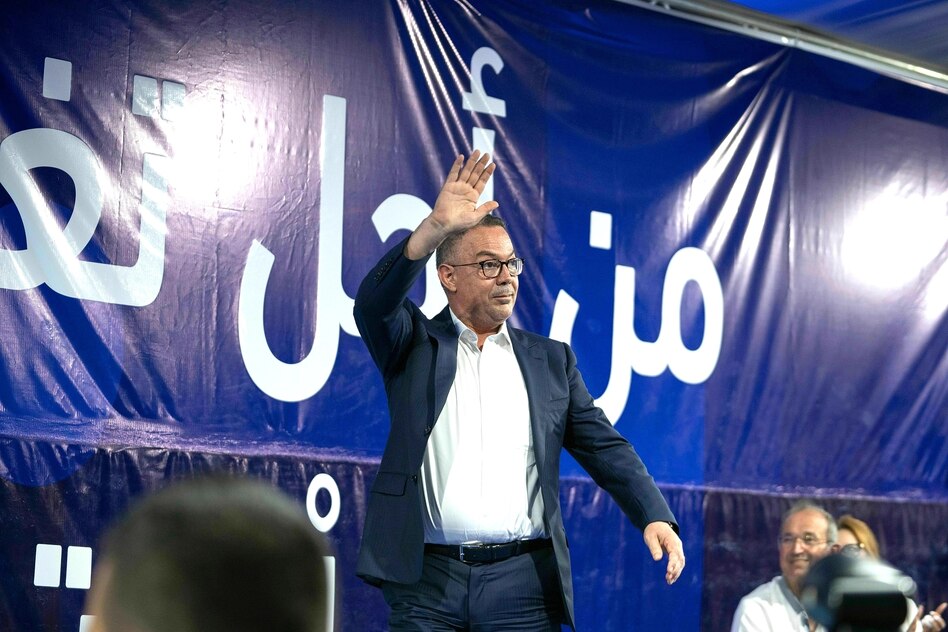
The economically liberal PAM party emerged as the winner of the parliamentary elections in Morocco. The Movement for “Authenticity and Modernity” has so far been a junior partner in the governing coalition and has won 97 of the 395 seats. While the PAM gained 11 percentage points in Wednesday's election compared to the last election, its partners RNI lost 36 percentage points and the Istiqlal party lost 16 percentage points.
After the victory, PAM politicians rejected a future alliance with the RNI, which was also very market-liberal and associated with business people, because of personal disputes. The election results are provisional and were announced on Thursday by Interior Minister Abdelouafi Laftit.
The Islamists of the PJD became the fourth strongest force with 54 seats. They led a government coalition until 2021, but then lost 90 percent of their seats. Both the decline and the current gains of the PJD are associated with the anti-Israel attitude of many Moroccans.
In 2020, Morocco signed the so-called Abraham Accords with Israel without consulting parliament. In return for establishing diplomatic relations, the Moroccan army has since received Israeli weapons and intelligence technology. At that time, the PJD was accused of inactivity by its own voters, but now they see it as the only force critical of Israel.
The driving force behind the PAM election campaign was Faouzi Lekjaa. The minister responsible for the state budget is also head of the national football association and is seen by many observers as the favorite to become prime minister. The current Prime Minister Aziz Akhannouch no longer wants to run. Traditionally, King Mohamed VI appoints a prime minister from the ranks of the strongest party. He also nominates the ministers for defense, interior, foreign policy and religion.
Many young Moroccans stayed away from the vote. In the fall, tens of thousands took to the streets as part of the Gen Z 212 protests demanding higher wages and investments in education and healthcare. 2,480 protesters were arrested. The number 212 refers to Morocco's country code, but the demands of Moroccan youth are shared by many of their peers in other countries in the Maghreb.
With a growth rate of 5 percent and the arrival of several large European manufacturers from the automotive and aviation sectors, Morocco became the continent's leading economy last year. But according to a recently published report by the World Health Organization (WHO), only 2 percent of health facilities meet international standards.
Since the introduction of general health insurance, “Assurance Maladie Obligatoire”, the number of people with statutory health insurance has increased from 42 percent to 88 percent. However, many Moroccans with an average net salary of 410 euros cannot afford the additional payments that are often necessary. The possible next Prime Minister Lekjaa has now promptly promised to raise the minimum wage to the equivalent of 458 euros.
Read the full story at the source
Source: taz