
Germany · taz · · 59m
UN warns of “Super El Niño”: “Humanity is racing towards a climate catastrophe”
Deutsch (original) · Auto-translated to English
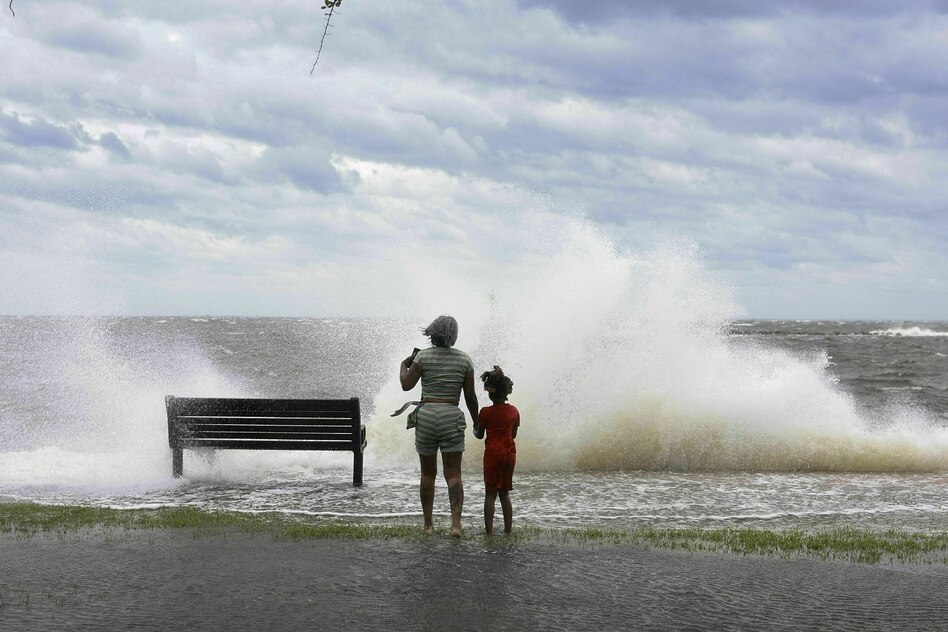
UN Secretary-General António Guterres recently warned of a “super El Niño” of such extreme magnitude that has not occurred in the past 100 years: “Humanity is racing towards a climate catastrophe,” he predicted. This year's scorching summer heat, raging wildfires and deadly floods are merely a warning "of what lies ahead."
“El Niño” translated from Spanish means Christ Child. Peruvian fishermen named the phenomenon that way because it usually occurs around Christmas time. Normally, the cold, nutrient-rich Humboldt Current on the west coast of South America ensures an abundance of fish. But El Niño is messing things up. El Niño is a natural climate phenomenon in the Pacific Ocean that disrupts global weather patterns every two to seven years. The water in the Pacific then heats up extremely - which affects temperatures and precipitation in different parts of the world.
During this phase, the trade winds that otherwise push warm water towards Australia and Southeast Asia weaken or even change direction: then warm surface water washes back into South America. The consequences for the continent are different. More violent winter storms are expected in the north of Mexico, and extreme heat is expected in the southeast. Central America and the Caribbean will also be extremely hot and dry.
In South America the situation is mixed. The “epicenter” of El Niño in Peru and Ecuador triggers the coastal El Niño effect: torrential rains that cause severe flooding and landslides in the Pacific region. Parts of Peru, Bolivia, Colombia, Venezuela and northern Brazil are expecting severe droughts - putting further pressure on the weakened Amazon rainforest. Heavy rain and flooding are expected in the south of Brazil and the southern countries (Argentina, Paraguay, Uruguay, Chile).
In Australia and Asia, however, it can result in extreme droughts, crop failures and an increased risk of forest fires. This also heats up the Indian Ocean and results in extreme weather conditions in East Africa.
In general, El Niño often leads to a temporary increase in the global average temperature. Against the background of increasing warming caused by man-made climate change, the phenomenon is intensifying. According to the United Nations World Meteorological Organization (WMO), El Niño will peak at the end of the year and could last until spring 2027.
The United Nations World Food Program warns that extreme weather will cause more people to experience acute food insecurity. Central America and East Africa are expected to be among the most affected regions. Governments around the world are required to take measures to prevent disasters. Climate experts at the African Development Bank (AfDB) are already calculating that the extreme weather could cost the continent $10 to $20 billion in 2026 alone.
Read the full story at the source
Source: taz