
Labour taz
Feature film “Matewan” on DVD: greatness and dignity of striking workers
The feature film “Matewan” depicts the struggle of trade unionists in a mining town. Director John Sayles created a work that is as angry as it is beautiful. more...
Deutsch (original) ·Auto-translated to English
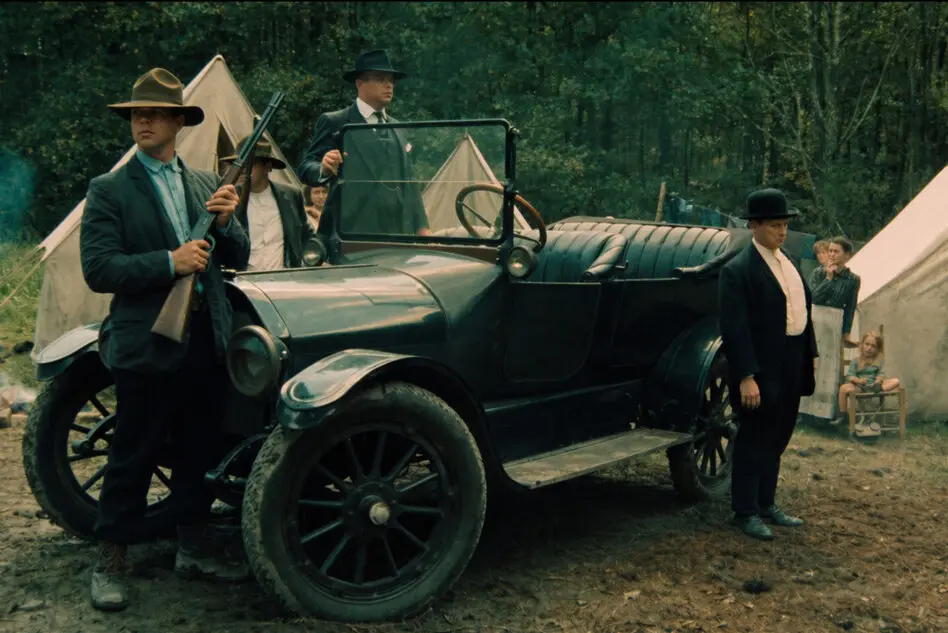
It's a necromancy, and everything happened exactly or almost exactly like that. Back in 1920, in the small mining town of Matewan in South West Virginia. The working conditions are unbearable and the exploitation by the Stone Mountain Coal Company is brutal. So the workers begin to strike, form a union, and an experienced unionist, Joe Kenehan (Chris Cooper in his debut), arrives. John Sayles, screenwriter and director, invented it, but the Wobblys (Industrial Workers of the World), of which he was one, existed: fighters for workers' rights worldwide.
Joe Kenehan is a pacifist and was in prison for his beliefs during the World War. In Matewan, he not only succeeds in uniting the divided workforce, which is divided into southerners and Italian migrants. A group of black workers hired as scabs are ready to side with the strikers. Kenehan, idealist by principle, pragmatist by strategy, manages to close the front: "You work, they don't work. That's all we need to know about our enemies."
The enemy, the big corporation, has the money to send a force of men with weapons. They are employees of the Baldwin Felts Detective Agency. These guys, who actually existed, have nothing to do with the image of the private detective created in the crime novels by Dashiell Hammett & Co.: They are reactionary, brutal, racist, and are supposed to end the strike and drive resistant workers and their families out of Matewen.
“Matewan” (USA 1987, directed by John Sayles). The DVD is available in stores from around 10 euros.
They don't even shy away from murder. In the end, seven of them are shot by the residents. This went down in the history of the US labor movement as the “Battle of Matewan”.
“Matewan”, the film by John Sayles, describes how this happens. It's an angry film that takes sides, on the one hand. On the other hand, he is outwardly calm, the conflict unfolds step by step, scene by scene: At the lunch table of Elma Radnor (terrific: Mary McDonnell), who runs a boarding house and very reluctantly accommodates the two leaders of the detectives. In the church, where director John Sayles himself plays a Baptist preacher who is zealous against the strikers.
But Elma Radnor's fifteen-year-old son also impresses as a preacher and, with a cleverly chosen interpretation of the Bible, brings the workers who have been incited against Kenehan back on the right track. He is played by none other than Will Oldham with an amazing blonde hair, who is not only a great actor here, but as a musician (Bonnie “Prince” Billy) he has long been an even bigger number.
And then “Matewan” is not only true and good, but also incredibly beautiful. Cameraman Haskell Wexler, a left-wing filmmaker in his own right (“Medium Cool”), was quite rightly nominated for the Oscar. He peels faces and lights out of a darkness that is always the darkness of the past. The old master's work with natural light indoors and outside by the fire at night has nothing to do with patina, but everything to do with the greatness and dignity that belongs to the striking workers and also to the working women.
After “Matewan,” John Sayles made some great films, independent, on the fringes of the film industry. Since 2013, he, who always had to fight for money, has unfortunately fallen silent as a filmmaker. Because he can do that too, he writes novels instead. Another one has just been published, “Crucible,” about the auto industry tycoon Henry Ford. Sayles is as difficult to get down as the left-wing heroes he tells about here and in other films and books.