
Labour Freedom News (UK)
Social reheating in Italy: Reflections on Friday s mass strike
The day was a breath of fresh air, with large turnouts opposing both war and the rising cost of living The post Social reheating in Italy: Reflections on Friday s mass strike appeared first on Freedom
English (original) ·Read in Deutsch ⇄
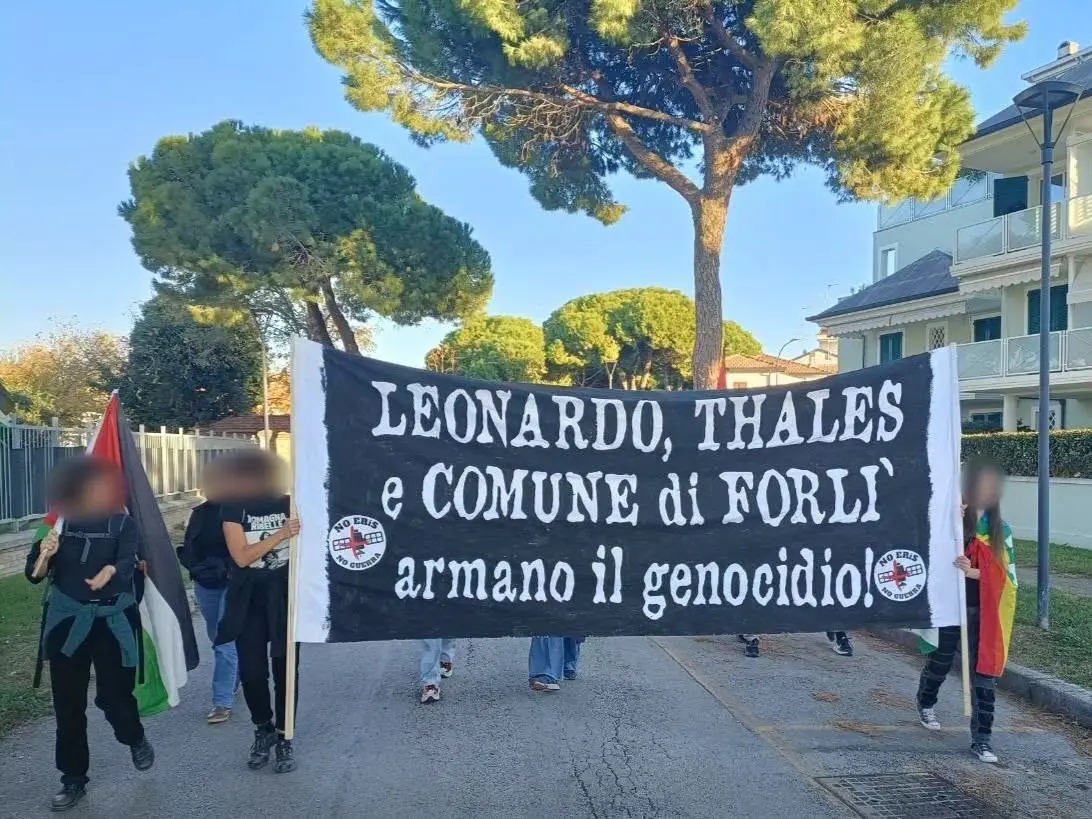
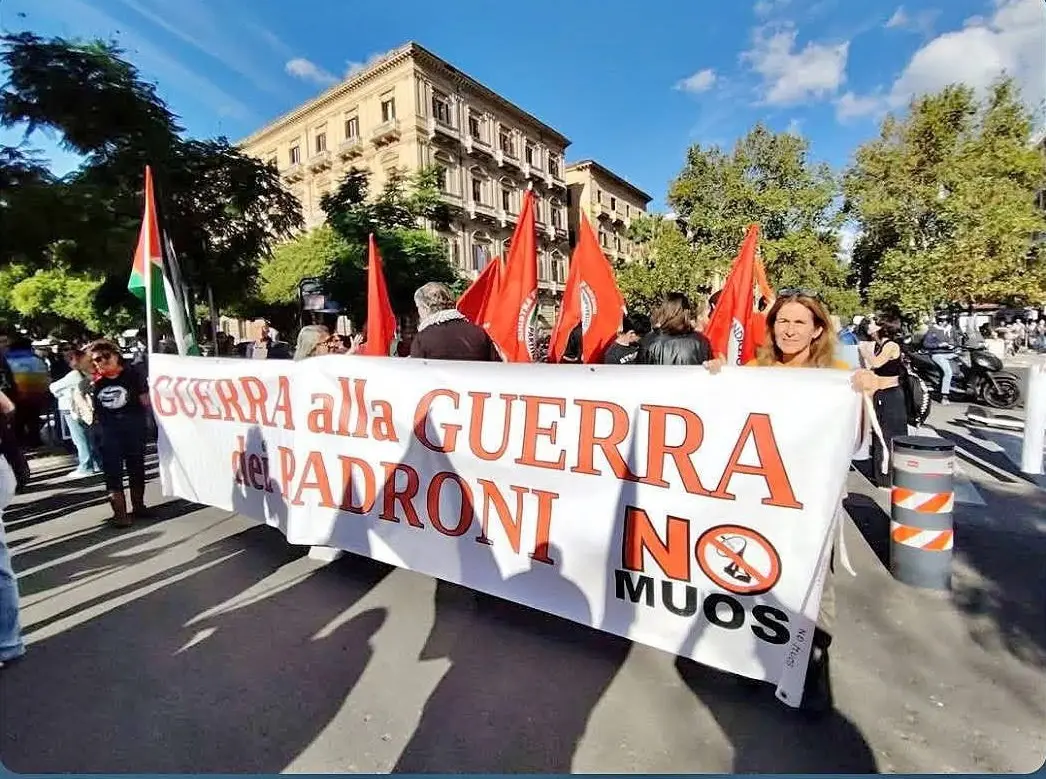
30 October was a remarkable day. Not for many years has a strike called solely by grassroots trade unions achieved such success on a national level, with dozens upon dozens of local demonstrations filling streets and public squares. Various accounts highlight several common features: intergenerational participation, a significant role played by students, and a broad turnout of workers—all of which point to the clear success of the strike, even as the specific participation figures await further analysis.
Most striking, however, was the large number of young people—many of them very young, and some even minors—whom the government seeks to chain to school desks or factory benches, or else cast directly into juvenile detention centres. The first, clear outcome of 30 October was the overturning of fear. These major demonstrations reclaimed the public space—in squares, schools, universities, and workplaces. Repression was certainly present, with police charges in Rome, Turin, Vicenza, and Venice, alongside mass identity checks and pre-emptive detentions in many other cities.
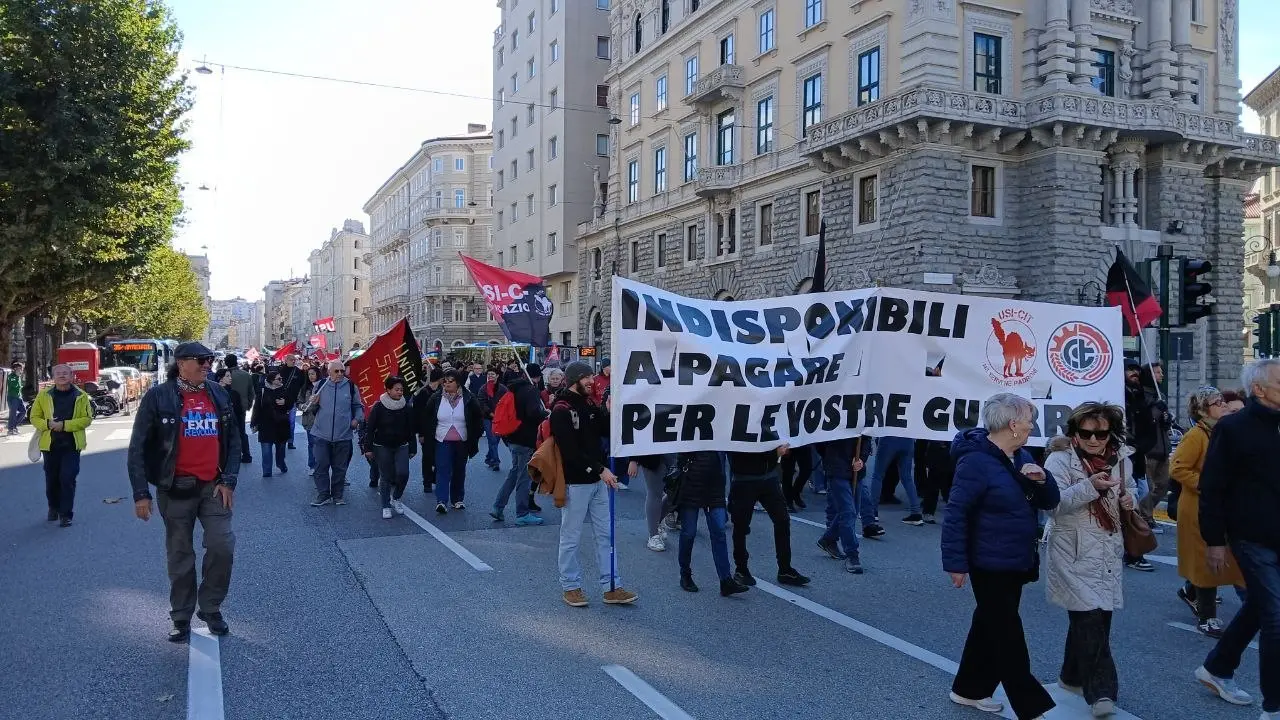
Furthermore, news emerged that on 31 October, searches were carried out across the country targeting over 60 individuals—allegedly in connection with the street tensions of previous weeks, though seemingly only on the grounds of so-called “incitement.” Yet, on the day of the strike itself, the government chose not to intervene against the demonstrations; even various symbolic acts—such as blockades (notably at ports) or the occupation of university buildings—largely took place without police interference. Another clear outcome of the strike is that it has sidelined cross-class perspectives, as well as right-wing tendencies—such as those seen in the truckers’ protests—which could otherwise have played a role in the tensions currently brewing in the country.
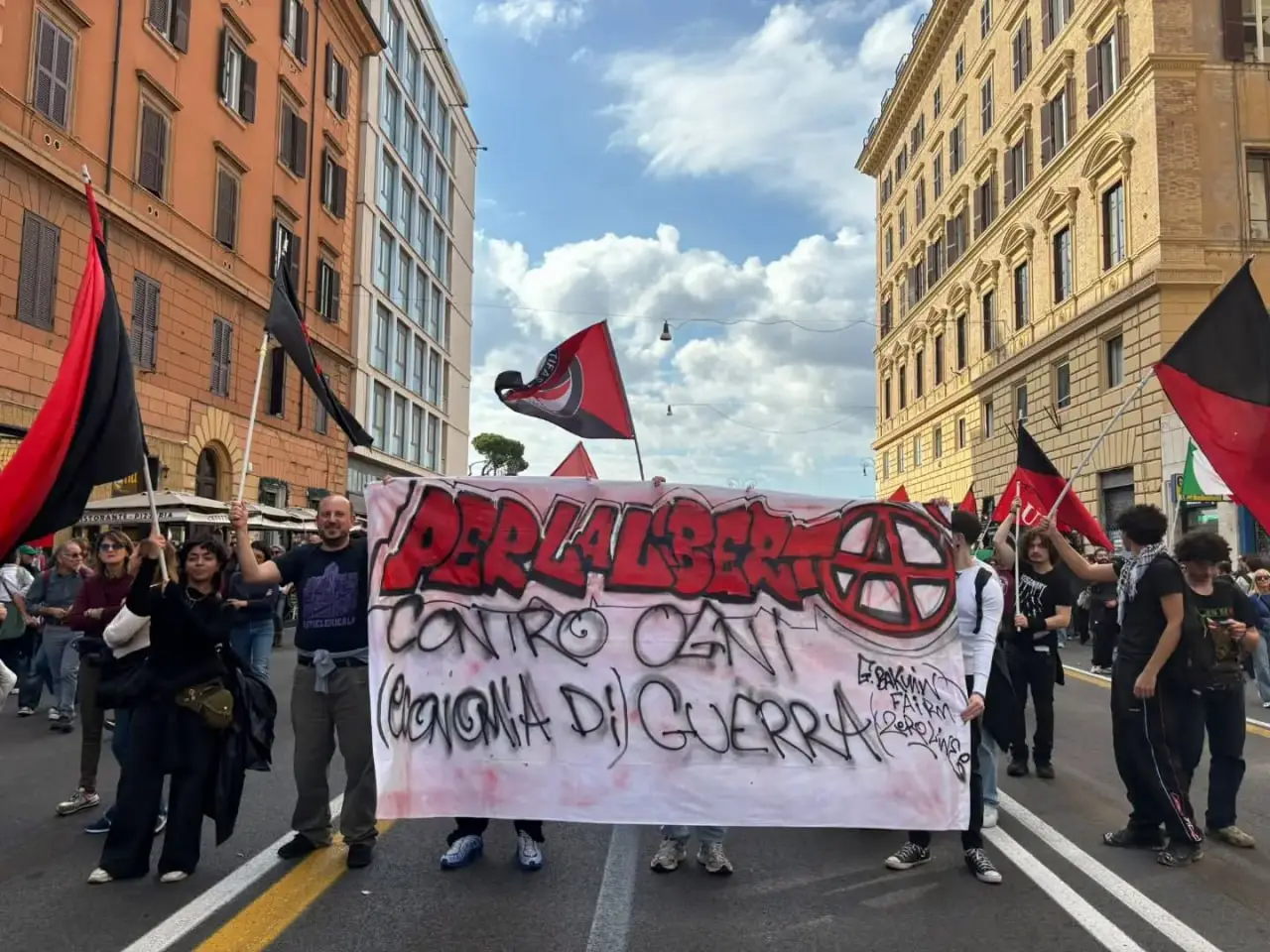
Certainly, 30 October offers a breath of fresh air: such large turnouts in public squares, opposing both war and the rising cost of living, open up new possibilities at a time when the horizon appears increasingly bleak. Yet, it is worth noting that this day did not come entirely as a surprise. Although organised in a rush—lacking the typical, extensive preparation that usually precedes a general strike—this day of action was specifically crafted to address a social situation that had become increasingly explosive.
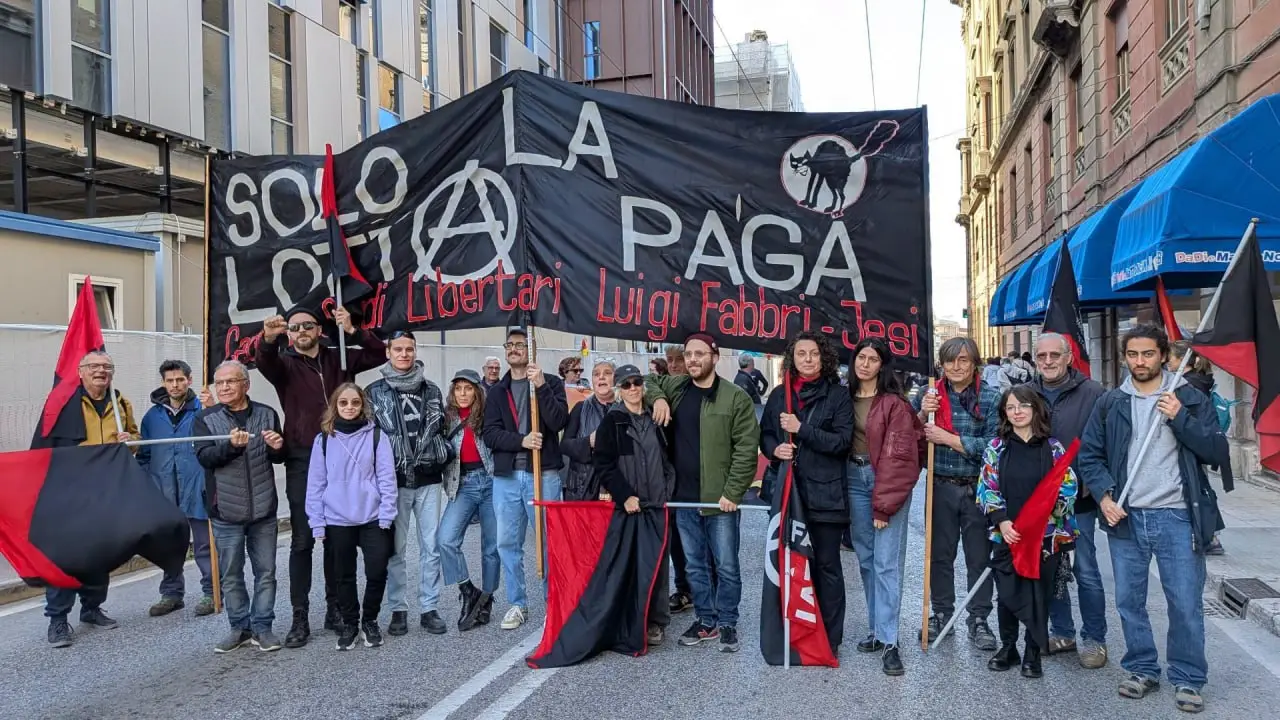
In fact, the month of October brought long-standing issues to a head. Over the last few weeks, growing discontent with the consequences of the government’s pro-war policy has spilled out into the streets and public squares—albeit in a fragmented way, and with many limitations and contradictions. Various segments of society, seeking to respond to the rising cost of living, engaged in forms of struggle that were met with government repression. Faced with these unmistakable signs, many grassroots trade union organisations decided to call for a strike on 30 October. The event served as a catalyst for the pressures building within society and for protests that had, in some instances, already been suppressed by the government.
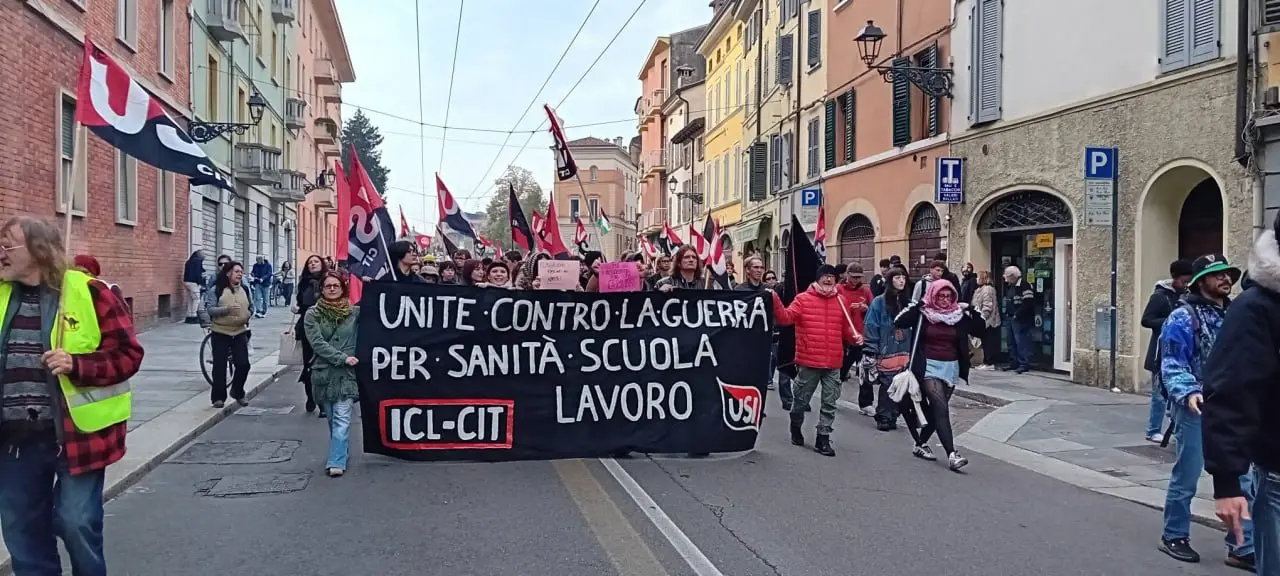
After such a day there is a need for continuity, to avoid 30 October having been just a relief valve, after which the movement disperses with the risk that it could be recovered by the party and union bureaucracies. We should take to the streets every week, every day, against war and high prices, to bring down the new repressive rules, to bring down this fascist government. But we must also question the reality around us and understand what are the times and tools with which we can continue. For example, the anti-strike law, starting from the constraint of objective rarefaction, does not allow using only the strike tool to develop a movement. The student components of schools and universities can play an important role again at this time, in some cities already fully mobilised, but in others still at a standstill.
[…]
The phase we are going through could have disruptive outcomes, also creating deep fractures in society. We consider that in addition to an exaggerated use of institutional violence both in the streets and in emergency legislation, for the first time the fascist government is testing on a national scale the use of violent groups and gangs outside the state apparatus. In recent weeks, fascist groups have staged small provocations in many squares, even CasaPound and Forza Nuova, as well as Futuro Nazionale, regardless of their front position towards the government, have gone into action, for now at a low level.
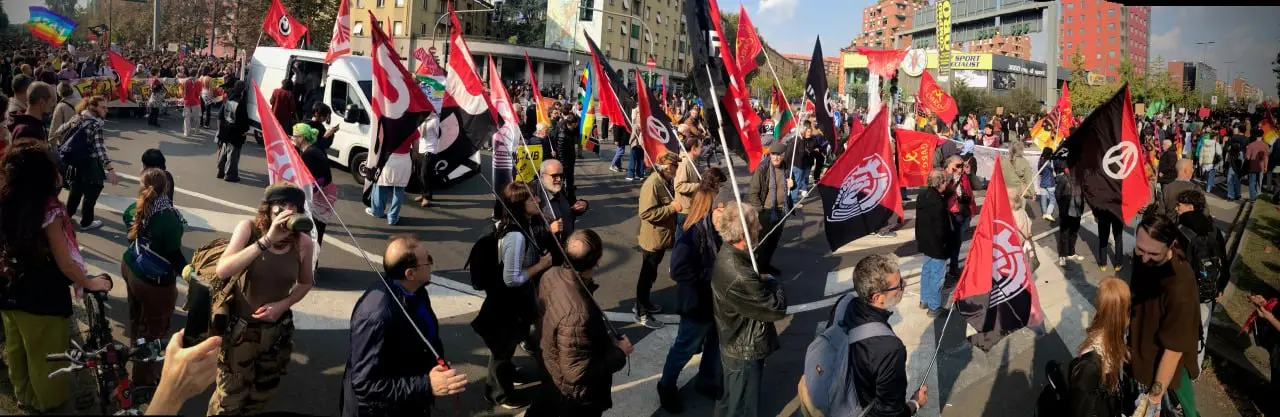
Even the announced mobilisation of some football players historically aligned to the right, against “maranza”, “casseurs” and demonstrators in general, must not be seen as folkloristic curiosity, but as an attempt to organise extralegal violence. It is no coincidence that in this climate, as if in response, ultras groups marched in some strike squares and lined up in support of the demonstrators. The legislative arsenal put in place by the government in recent years, together with other reforms not yet launched, such as that on self-defence, goes in the direction of fuelling political violence by protecting the defenders of privilege.
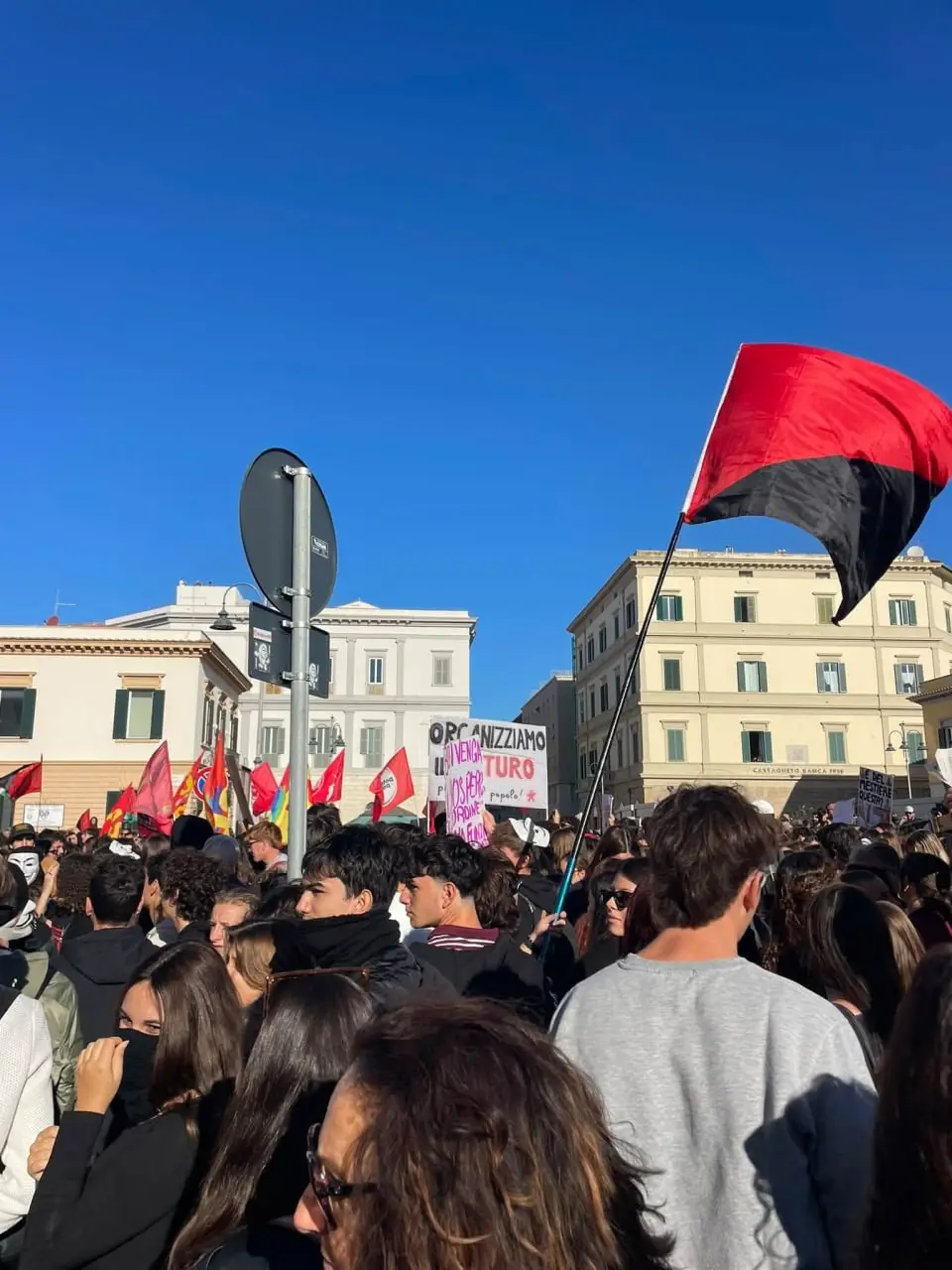
In such a complex situation we cannot choose to wait or delegate the solution to others. We need to organise ourselves and build the present and future we want.
Machine translation from Umanità Nova
The post Social reheating in Italy: Reflections on Friday’s mass strike appeared first on Freedom Press.