
Politics · taz · · 54m
Reich's controversial energy laws: Demo for the energy transition
Deutsch (original) · Auto-translated to English
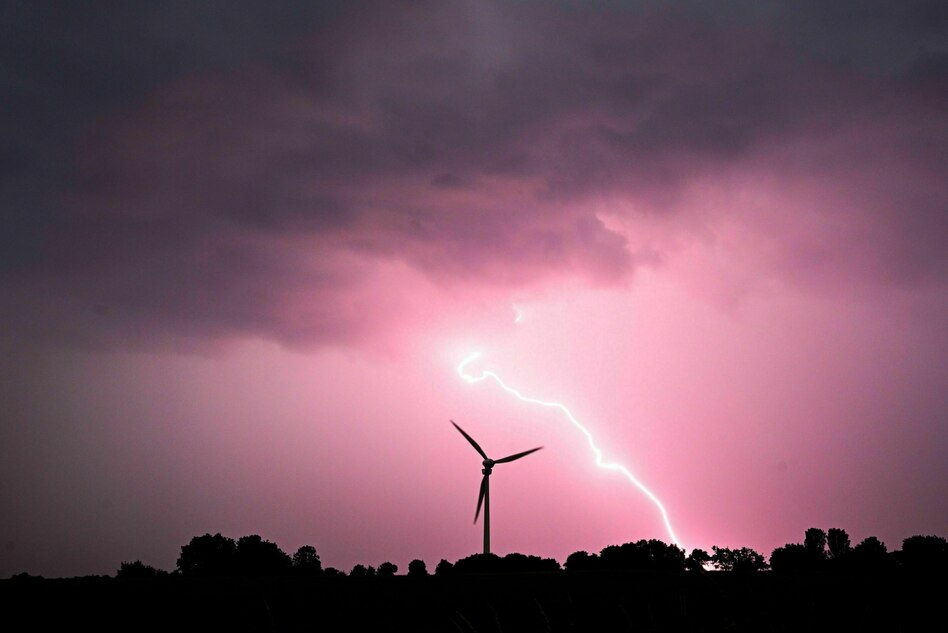
An alliance of local politicians, industry and environmental associations is mobilizing against the energy laws of Federal Minister of Economics Katherina Reiche (CDU). The organizations are calling for a demonstration in Berlin's government district on Friday afternoon under the motto "Renewable energies - expanding instead of slowing down". More than 300 actors in the energy transition as well as associations such as BUND, Nabu and WWF have joined the alliance.
Background: Two controversial projects by Minister Reiche are on the home stretch, namely the amendment to the Renewable Energy Sources Act (EEG) and the grid connection package. The laws are to be passed by the Bundestag and Bundesrat next week.
Until then, negotiators from the SPD and the Union are struggling to make changes. Controversial issues include the planned removal of funding for small solar systems, a lease cap for wind turbine areas and the reduction in compensation for wind turbines that have to be switched off due to inadequate network expansion.
Many companies in the renewables sector fear that projects will lose their financing basis in the future. “The EEG wants to combine cost efficiency, security of supply and climate protection,” said Christine Falken-Großer from the Federal Association of Renewable Energy. The industry wants that too. “But we also say very clearly: we will not achieve this with the drafts that are currently being discussed in the Bundestag.”
Cities and communities are also looking at Reiche's draft laws with great skepticism. “We municipalities have delivered,” said Christian Porsch, mayor of the Bavarian municipality of Speichersdorf and spokesman for the “Together Successfully Renewable” appeal, in which 300 mayors have joined forces. Municipalities have designated areas for renewables, conducted dialogue with citizens and have already spent a lot of money on planned new systems. For Upper Franconia alone, the planned changes would mean investments of 1 billion euros at stake.
Read the full story at the source
Source: taz