
Germany · taz · · 52m
More food poverty in Berlin: When meals are simply canceled
Deutsch (original) · Auto-translated to English
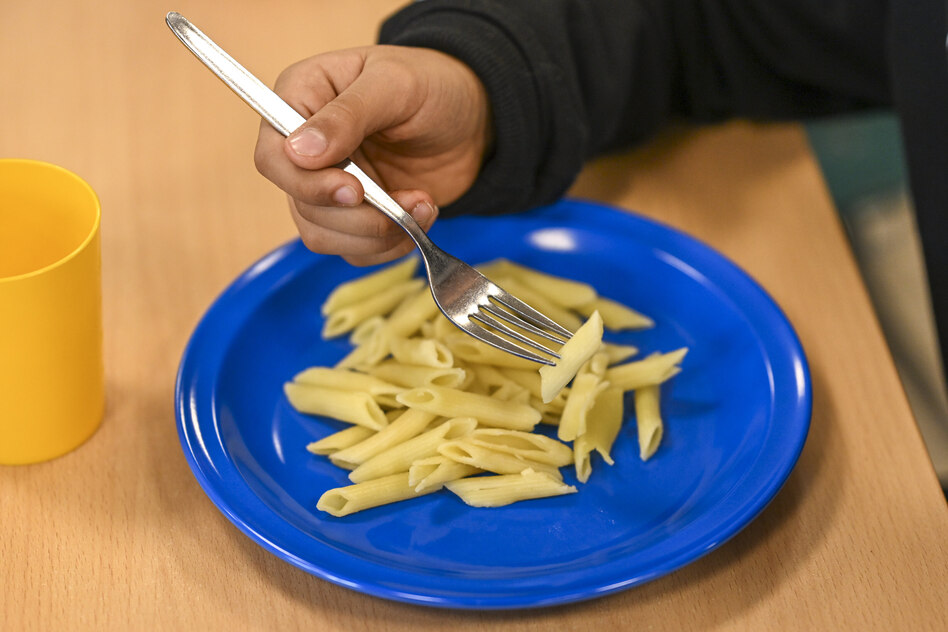
When money is tight, more and more people have to skip meals. One in ten people in Berlin is affected by this. This emerges from a study by the Society for Innovative Market Research (GIM), which was commissioned by the Berlin Nutrition Council. A total of 1,018 Berliners were surveyed by telephone over a month and a half about their financial resources for nutrition.
Three groups are particularly affected: families with children, older people and young adults. Twelve percent of those surveyed with a preschool-aged child said that their children's meals were sometimes smaller or had to be canceled due to lack of money.
“Nutritional poverty is no longer a marginal phenomenon in Berlin,” warns the Nutrition Council. Spokeswoman Saskia Richartz sees a connection to cuts in social assistance: “If wages are not enough to live on and social assistance does not provide adequate and nutritious nutrition, people literally save themselves food from their mouths.” In Berlin the problem is significantly worse than the national average.
The Nutrition Council, in collaboration with the HU, commissions the EU-funded research project “FoodClic”. It advocates for “resilient food environments” in urban areas and “access to healthy, equitable and sustainably produced food.”
On the occasion of the upcoming coalition negotiations in Berlin, the Food Council is formulating demands to combat poverty and especially food poverty. This includes closer cooperation between the departments for the environment and consumer protection, social urban development, health and education. The Nutrition Council offers itself as a coordinator to involve scientific and public interest actors with expertise in Berlin's nutrition policy.
The council also calls for better access to fruit, vegetables and plant-based proteins, for example through offers such as nutrition pilots and “vegetables on prescription”. The Nutrition Council is already testing this program in Neukölln: There, 13 patients receive a weekly delivery of fruit and vegetables based on a doctor's recommendation. “What is currently financed from project funds should be taken over by the state in the future as health prevention or public services,” demands Amna Alhashemi from the Nutrition Council.
In addition, the future government is calling for the continuation of non-contributory elementary school meals as well as programs such as the “Kantine Zukunft” and the neighborhood canteens. Saskia Richartz: "Many solutions have already been tried out elsewhere. The Berlin Left's neighborhood canteen concept is a good start." The future government should take up this approach and add further solutions, said Richartz.
Read the full story at the source
Source: taz