
Politics · taz · · 3h
Procurement of masks in court: Jens Spahn is probably not that expensive after all
Deutsch (original) · Auto-translated to English
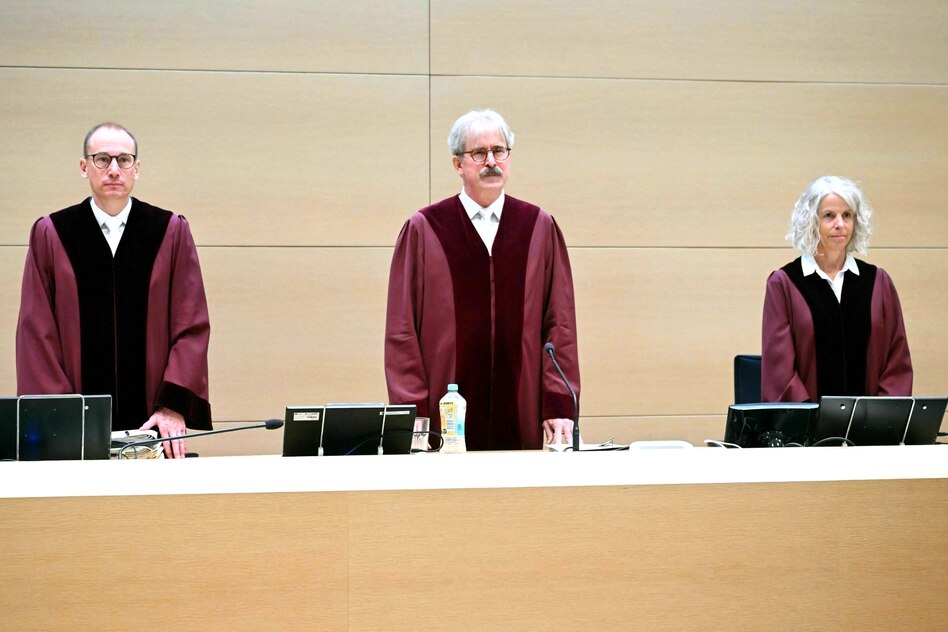
The federal government doesn't have to pay several billion euros to mask dealers after all. This was indicated in the oral hearing of the long-awaited pilot process at the Federal Court of Justice (BGH). However, the federal government will probably have to pay at least if it caused a late mask delivery itself.
When the corona pandemic broke out in spring 2020, medical staff should work with FFP2 masks if possible. However, there were far too few masks in Germany. The then Health Minister Jens Spahn (CDU) therefore resorted to a brutal means of procurement law: in a so-called open house procedure at the end of March, he promised that every dealer who delivers at least 25,000 FFP2 masks by April 30th would be paid 4.50 euros per piece.
Spahn's strategy was more than successful: every import-export trader with contacts in China now tried to bring masks to Germany. Spahn was soon offered around a billion FFP2 masks. He therefore made an emergency stop. As of April 8th, no new offers could be submitted. And the federal government tried to break away from the contracts that had already been concluded with controversial arguments: the masks delivered were defective, were delivered too late or the delivery notes were incorrect. Only around 300 million FFP2 masks were ultimately purchased.
The dealers who were left empty-handed have been suing the Federal Republic ever since. With some success - because the responsible Cologne Higher Regional Court usually decided in their favor. Even in the event of defects and delays, the federal government could not simply withdraw from the contracts, but would have had to set a “deadline for subsequent performance” and give the dealers a second chance. Because this was neglected, the federal government had to pay the dealers.
The federal government appealed against this to the Federal Court of Justice, where the hearing took place this Wednesday. At the Federal Court of Justice it became apparent that the federal government had a good chance of partial success because a large proportion of the contract withdrawals had to be recognized.
The BGH shares the opinion of the Cologne Higher Regional Court that the setting of a grace period cannot be excluded by means of general terms and conditions because this would unreasonably disadvantage the suppliers. However, delivery at a fixed time can be required if the delivery time is of “essential” importance for the buyer, emphasized the presiding judge Ralph Bünger. And that's how it was in spring 2020: In order to secure health care, FFP2 masks had to be procured for hospitals and doctor's practices very quickly, said Judge Bünger in a "preliminary assessment of the legal situation".
However, there are also limits, says Bünger. If the federal government itself was responsible for the delay because it was logistically unable to accept all the masks at once by the deadline of April 30th, then it could not justify its withdrawal by missing the deadline. A constellation that was not uncommon. The BGH wants to announce its judgment on December 15th.
There are currently around 90 cases of mask dealers pending before the judiciary. The value in dispute is around 2.3 billion euros, with interest according to the plaintiffs it should even be 3.8 billion euros. It probably won't be that expensive.
Read the full story at the source
Source: taz