
Politics · taz · · 3h
State elections 2026: Polling stations open in Berlin and Mecklenburg-Western Pomerania
Deutsch (original) · Auto-translated to English
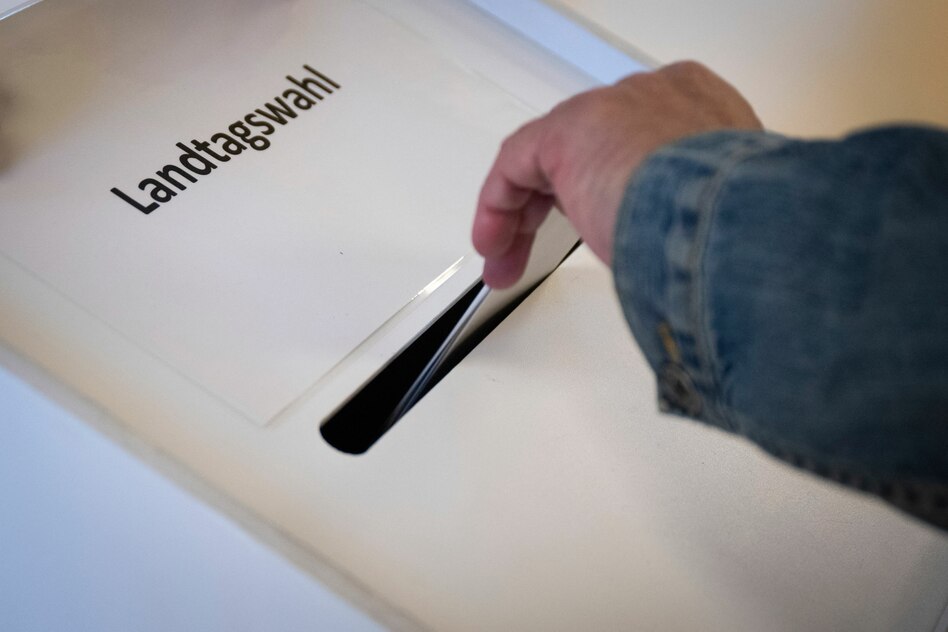
dpa | The polling stations for the state parliaments have opened in Berlin and Mecklenburg-Western Pomerania. Since 8 a.m. people have been able to cast their votes for the Berlin House of Representatives or the state parliament in Mecklenburg-Western Pomerania. The polling stations are open until 6 p.m.
In the capital, around 2.5 million people are called to vote for the House of Representatives. There are a good 2.7 million eligible voters for the election of the twelve district council assemblies, in which citizens of other EU countries can also take part. In the northeast, around 1.3 million people are called to vote. In both countries, people aged 16 and over can vote.
An alliance of the CDU and SPD currently governs Berlin. According to recent surveys, there is not enough for a new edition. There was a head-to-head race between the Left and the CDU. Behind them, the AfD, the Greens and the SPD were also in double figures in surveys. The BSW is fighting for entry into the House of Representatives.
Mecklenburg-Western Pomerania is currently governed by a coalition of the SPD and the Left, and according to surveys it is uncertain whether there will be enough for a new edition. Recent surveys saw the SPD and AfD in a close race, with the Left far behind with values of around ten percent. The Greens and BSW have to worry about entering the state parliament, and the CDU also slipped close to the five percent hurdle in surveys.
Depending on how the CDU performs, the debate about the political future of party leader and Chancellor Friedrich Merz could gain momentum again. There has been debate for days about whether he can hold on. Merz invited the CDU presidium to the Konrad-Adenauer-Haus on Sunday evening.
For the first time, young people aged 16 and over are allowed to vote in the House of Representatives election in Berlin. This was previously possible in the elections to the district council assemblies and in the European elections. When voting for the state parliament, the minimum age previously applied was 18 years.
Anyone born before September 21, 2010 is eligible to vote, explained Berlin's state returning officer Stephan Bröchler. This also applies to everyone who celebrates their birthday on election day. According to the official Berlin registration data, almost 55,400 young people aged 16 and over are allowed to take part in the election for the House of Representatives - a rather small group given the total of around 2.5 million eligible voters. In the elections for the district council assemblies there are slightly more, at around 58,600, because EU citizens without a German passport are also entitled to vote.
In December 2023, the Berlin House of Representatives decided by a large majority to lower the age for participation in elections to the state parliament from 18 to 16 years. The supporters of the CDU, SPD, Greens and Left argued that this would give younger people more political participation and strengthen democracy. The AfD rejected the project.
Nothing has changed about the passive right to vote, which allows you to be elected. Only people aged 18 and over are still allowed to run for state parliament.
The opportunity to vote in state elections for 16 and 17 year olds only exists in half of the 16 federal states. In addition to Berlin, these also include Baden-Württemberg, Brandenburg, Bremen, Hamburg, Mecklenburg-Western Pomerania, Schleswig-Holstein and, more recently, North Rhine-Westphalia, where an election is due in spring 2027.
Read the full story at the source
Source: taz