
Germany · taz · · 1h
High gasoline and diesel prices: How the state can cushion the high fuel costs
Deutsch (original) · Auto-translated to English
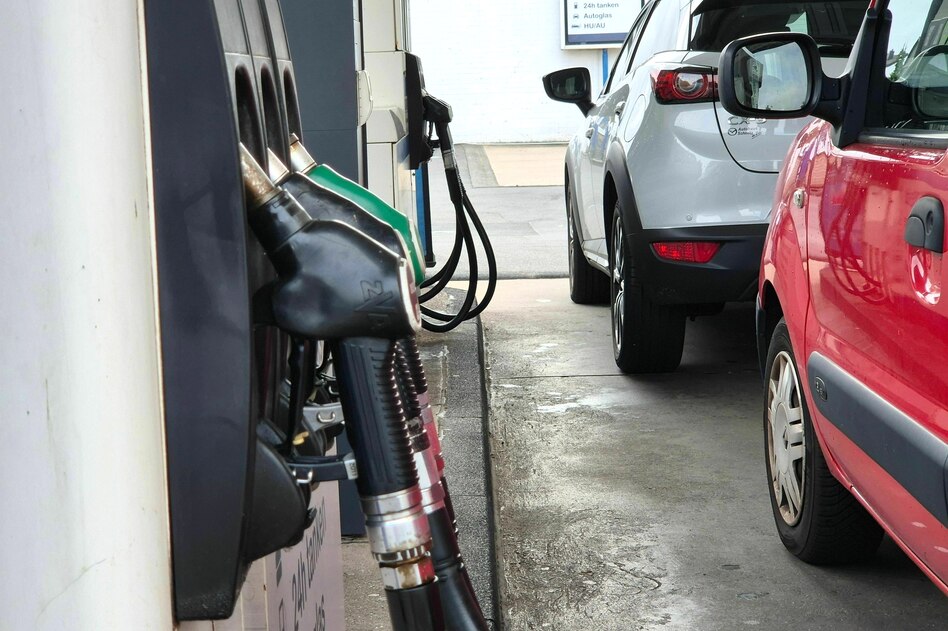
A cheaper Germany ticket? A new edition of the fuel discount? Chancellor Friedrich Merz's promise to provide relief for fuel prices has reignited the debate about possible measures.
Merz announced on Tuesday at the business day of the foreign trade association BGA that he would cushion the price gouging at the pump. In Germany, the Super E10 fuel cost more than ever before for the fourth day in a row on Tuesday, according to ADAC - even though the price of crude oil on the world market was well below past highs. The Chancellor has now said that a proposal for relief will be presented “very soon”.
Various actors have already submitted numerous ideas. Proposal one, promoted on Wednesday by Union parliamentary group leader Thorsten Frei: a reduction in VAT on fuel. The classic VAT rate of 19 percent currently applies to fuels. Frei wants to reduce it to 7 percent. The result: Drivers would have to pay less for refueling - unless the oil companies artificially increase the product price before taxes. The measure would not be helpful for climate protection because it would make the consumption of fossil fuels more attractive again. It would also benefit those who can easily afford more expensive fuel. And: The state would forego income, while the profits of the gas station operators would remain untouched.
The background to the increased prices is primarily the war in the Gulf region between the governments of the USA, Israel and Iran. Since February, the Strait of Hormuz, through which a fifth of the world's oil and liquid gas is normally shipped, has been barely passable.
A blockade of the Bab al-Mandab strait on the Red Sea, on the shortest sea route between Asia and Europe, by the Houthi militia from Yemen has been putting even greater pressure on the oil market for a few days. Oil shipments from the export country Saudi Arabia in particular are practically blocked - the oil is missing from the world market and is driving up prices.
Germany sources a large proportion of mineral oil and liquid gas from other regions of the world, but the companies also increased prices here significantly and thus profited from the crisis.
Proposal two: a reduction in the energy tax to the European minimum, 35.90 cents per liter for gasoline and 33 cents per liter for diesel - nothing more than a new edition of the fuel discount with which the federal government tried to curb prices in May and June. Sebastian Steineke, the consumer protection officer for the Union parliamentary group in the Bundestag, campaigned for this in the Handelsblatt.
However, disadvantages have already become apparent: the fuel discount does not motivate people to switch to climate-friendly means of transport. Petroleum companies can increase net prices and thus reap part of the discount. And here too the state is missing out on tax revenue: it was 1.6 billion euros in May and June. The advantage? Refueling will be cheaper – if the companies pass on the discount to the drivers.
Proposals three and four: a fuel price cap based on the Luxembourg model or a tax on the additional profits of oil companies. Both measures worked almost the same, says Christoph Trautvetter, coordinator in the Tax Justice Network: “From the work of the Cartel Office, the federal government knows very well what the margins of refinery operators, crude oil traders and the price on the crude oil markets look like in normal situations and how they develop in the current crisis.” In this way, it could cap or skim off the profits from the crisis.
Prominent SPD representatives support both – the CDU and CSU, on the other hand, have so far opposed each other. Neither would make transport more climate-friendly. At least it would prevent fossil companies from profiting additionally from the crisis. Trautvetter warns: “A price cap that keeps the price low through subsidies is a bad idea.” Meanwhile, the Polish government announced on Tuesday that it wanted to introduce an excess profits tax.
Proposal five tackles climate policy – with a cleaver. CDU politician Tilman Kuban suggested to Focus Online on Wednesday that the German CO2 price should be suspended. Companies that bring climate-damaging products such as gasoline, diesel, heating oil or gas onto the market pay this per ton of CO2 produced - and usually pass the costs on to consumers. That amounts to 15 to 18 cents per liter of fuel, said Kuban. So just get rid of it? The measure would make fossil fuels less financially unattractive compared to more climate-friendly alternatives such as electric cars or public transport, i.e. it would stifle climate policy guidance. And: The money that the state would forgo as a result would specifically be missing from climate protection. Experts already criticized this when the federal government decided in August to forego the previously planned increase in the CO2 price. The public revenue flows into the climate and transformation fund, from which the federal government pays for numerous climate projects such as funding for heat pumps - and which already has a billion-dollar gap between revenue and expenditure in the coming year.
Proposal six: direct payments to particularly affected citizens. Federal Minister of Economics Katherina Reiche (CDU), for example, is in favor of this, but so far she has not had many of her parliamentary group colleagues on her side. Sebastian Bock, policy director at the Nabu nature conservation association, is also calling for “fair mobility money that provides targeted relief” in the short term. The advantage: The support would particularly help people for whom high fuel prices are a real financial burden. At the same time, they can also use the money for climate-friendly means of transport such as public transport.
Proposal seven goes in a similar direction: leave the fuel price alone and relieve it somewhere else. One could benefit from the fact that the high prices make climate-damaging combustion engines unattractive - and that they show how scarce fossil raw materials are. Discounts on train and public transport tickets are one option, a rent cap or a reduction in electricity tax is another. The German Social Association calls for relief not to be focused solely on the prices at the pumps.
Read the full story at the source
Source: taz