
Germany taz
Support for women's shelters: 200 more places for victims of violence
Schleswig-Holstein is investing 30 million euros in new women's shelters. But finding land and a lack of sponsors make expansion difficult. more...
Deutsch (original) ·Auto-translated to English
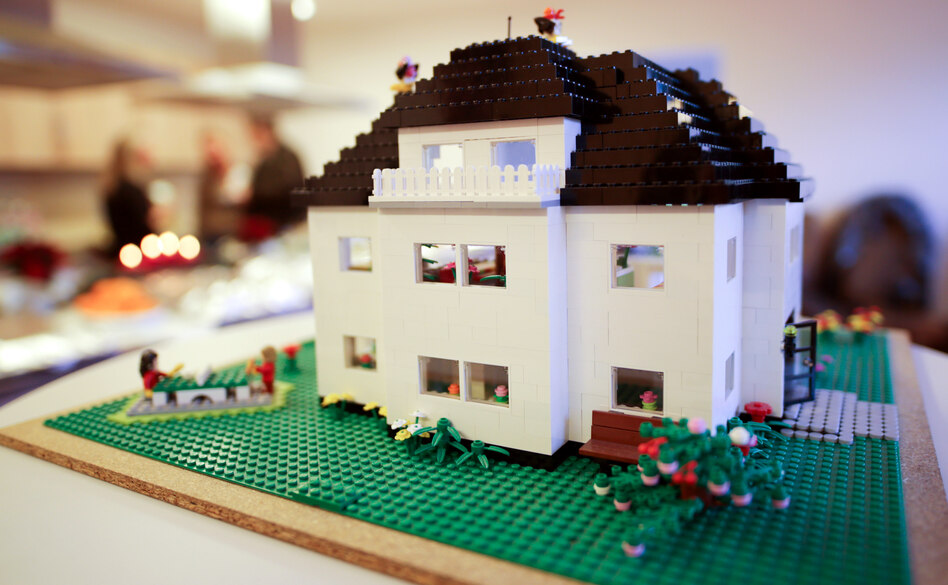
Schleswig-Holstein is funding the expansion of women's shelters: 200 new places for women and their children who have to flee domestic violence are to be created across the country. The expansion is necessary because from 2032 there will be a legal right to protection from violence, which all countries must implement.
But it can be difficult to find suitable locations for new women's shelters. Social and Equal Opportunities Minister Aminata Touré (Greens) promises an “unprecedented investment program for women’s shelter places”. The money comes from the federal government's special infrastructure and climate protection fund, from which Schleswig-Holstein receives around 3.4 billion euros.
The state is putting 30 million euros from this package into the funding pot for women's shelters. Districts, municipalities and existing women's shelters can apply for funds. "Unfortunately, violence against women is still a bitter reality. We are sending a clear signal that women can seek help and we will support them in doing so," said Touré.
There are currently 473 places in Schleswig-Holstein, but they are not enough. “We couldn’t take in many women and their children because we didn’t have enough space,” reported Marion Gerdes, head of the Norderstedt women’s shelter, at an event to mark the facility’s tenth anniversary in December 2025. At this event, Silke Schiller-Tobies, State Secretary in the Ministry of Social Affairs, announced the plan to build more women’s shelters.
The example of North Frisia shows that it's not just about money. The district in the northwest of the country does not yet have a women's shelter; the country wanted to close this gap. But despite funding of around 670,000 euros, the road to the groundbreaking ceremony was long: finding a suitable property was difficult. In addition, there was initially no sponsoring association.
Many women's shelters are still run by small associations with volunteer boards. The women who were among the founders of the refuges in the 1970s and 1980s are often still involved.
In the future, more houses could be taken over by larger welfare associations such as Diakonie or Arbeiterwohlfahrt (AWO). This also happened in North Frisia, where the larger Brücke Rendsburg-Eckernförde association took over the sponsorship. The new building started in February and will be a women's shelter with 20 places.
For the women affected, the question of the carrier probably doesn't matter. It would be best for them if they didn't have to flee to a women's shelter in the first place. “We would therefore like not only to build new places, but also to support all offers, including advice and measures to avert danger,” says Katharina Wulf, managing director of the regional women’s advice association. Schleswig-Holstein has already implemented a number of things, such as electronic ankle bracelets for violent criminals.
Minister Touré addressed another topic at the start of the funding program. “Many women’s shelter places are occupied, even though women no longer need the protection acutely but cannot find a place to live.” The Ministry of Equal Opportunities invests one million euros annually to build or promote housing specifically for women and children. Because they would have a particularly difficult time finding living space. “As a country, we must continue to invest massively in social housing,” demanded Touré.
“The country is obliged by the Violence Assistance Act to do more to protect those affected,” says Katharina Wulf. "It is a sad duty that shows that violence still exists in all levels of society. But we are glad that the ministry also recognizes this need."