
Germany · taz · · 3h
Immigration of skilled workers: Nursing association demands speed at work and stay agency
Deutsch (original) · Auto-translated to English
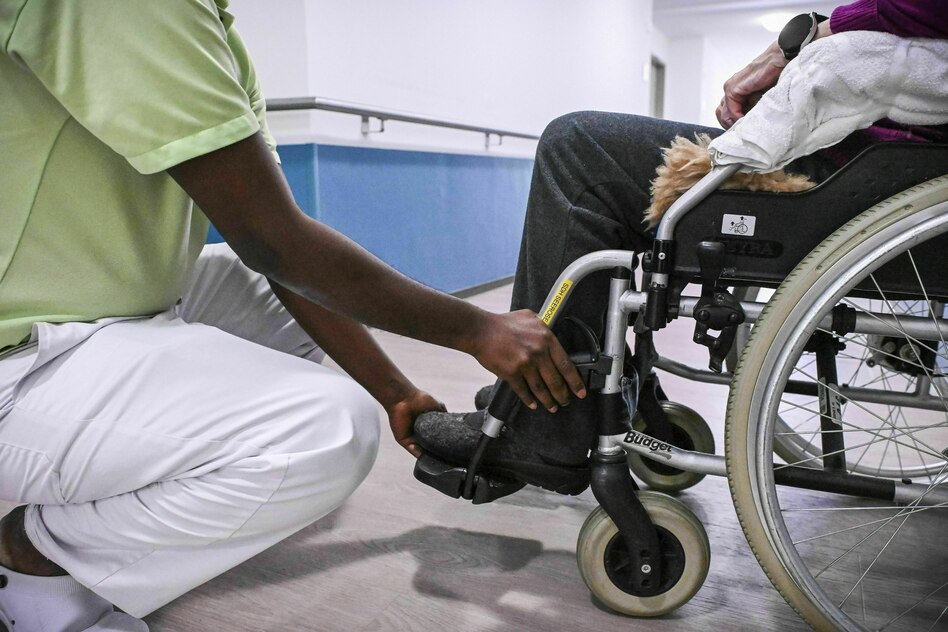
More and more people in Germany are dependent on care. The industry's need for personnel is correspondingly huge. But although many trained nursing staff from other countries would like to come to Germany, the federal government is doing little to pave the way for them. On Thursday, the Association of Catholic Elderly Care made clear demands to politicians in a press conference.
Association managing director Andreas Wedeking emphasized: “Every fifth nursing professional now has a foreign background.” But tens of thousands more try unsuccessfully to come to Germany every year, because even after the skilled immigration law is reformed in 2024, the hurdles remain high. In order to change that, Wedeking particularly called for an effective work and stay agency that should centralize, standardize and digitalize visa procedures, recognition of professional qualifications and arrival assistance.
Such a work and stay agency is actually planned by the federal government, but the responsible Ministry of Labor and Social Affairs of Bärbel Bas (SPD) is currently taking its time with implementation. In November 2025, the cabinet decided on the first key points for the agency, but nothing has been heard about the project since then. The Union and the SPD have not planned any further projects in the area of skilled immigration.
The various recognition procedures have so far differed from federal state to federal state, are mostly not digitalized and are sometimes extremely lengthy. The managing director of Caritas Altenhilfe, Bärbel Arwe, reported on Tuesday that it is sometimes easier for those affected to go through new training in Germany. That’s why the agency needs to act as a “reliable contact point for providers and employees” as soon as possible.
The costs should also fall, both for the recruited carers and for the providers. The latter now spend large sums of money to support those recruited on their way through the bureaucratic processes. And anyone who spends months in the accrual process will largely be unable to work for that long. The costs that arise for the supporting facilities would be directly reflected in what residents, relatives and insurance companies have to pay for a place in the nursing home.
The nursing association is also calling for a positive list for professional qualifications from certain countries, which would then be recognized without further verification. Longer visas upon initial entry are also necessary, as are longer deadlines to ensure that the foreign driving license is recognized. Until now, the large number of different procedures in a short period of time often overwhelmed immigrants, which in turn required new applications.
In addition to the bureaucratic hurdles, there are also problems affecting society as a whole that are particularly difficult for newly arrived skilled workers. These included the ongoing housing crisis and poor transport connections in rural areas. The federal government must create concrete improvements here – not just for the immigrant nurses, but also for them.
Read the full story at the source
Source: taz