
Germany · taz · · 59m
A conversation about social inequality: “I actually never wanted to become a civil servant”
Deutsch (original) · Auto-translated to English
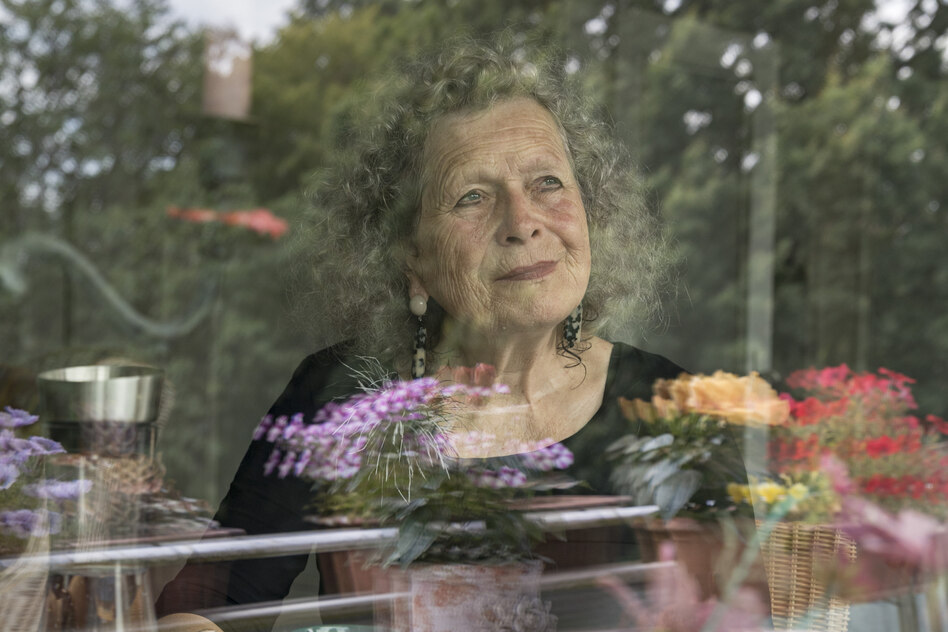
taz: Ms. van der Wal, I live directly above you. When we sit together, I always notice how much space you have - a real luxury in Bremen. Have you ever thought about moving?
Elisabeth van der Wal: We originally lived in the apartment as a family. Yes, it's actually too big for me alone now. But I have to admit, moving at my age is also a challenge.
taz: How can you still afford the apartment in retirement?
van der Wal: As an environmental and construction lawyer in a senatorial authority, I earn well and receive a comfortable pension. I actually never wanted to be a civil servant. Back then, when we were active in the student movement, civil service was frowned upon for us, partly because of the privileges it afforded to employees. But then there were reasons why I ended up becoming a civil servant.
Elisabeth van der Wal, born in Kassel in 1947 and raised in Münster, came to Bremen with her family in 1976. After separating from her husband, she raised their son alone. She studied social work and law and worked as a lawyer specializing in construction and environmental law. After her retirement, she became involved in refugee work and gave German courses. She has been writing her biography for some time.
The professional civil service is based on a special relationship of service and loyalty between the state and civil servants. It is intended to ensure the functioning of the state and ensure independent, lawful administration. In return for special obligations - such as the ban on strikes and the obligation to adhere to the constitution - civil servants enjoy, among other things, special protection against dismissal and independent pay.
Many civil servants are currently due for back payments because the Federal Constitutional Court classified their salaries as too low last September. Civil servants in the lower salary groups would run the risk of slipping into poverty, and the state would therefore be violating the so-called maintenance obligation.
Because of the “distance requirement”, according to which the differences between the salary groups must be maintained, the back payments also apply to higher salaries. The judgment related to the pay of civil servants in Berlin, but also applies to other federal states and the federal government.
At the beginning of August, the state of Bremen announced that it would grant its civil servants additional payments of 2.5 percent for the years 2024 to 2026, for which 120 million euros would be due. Last week, Schleswig-Holstein presented a law to adjust salaries for its civil servants in the years 2025 to 2027, which involves increases totaling 11 percent.
van der Wal: After working part-time for a long time, even later as a single parent, I would otherwise have had to expect a significantly lower pension. Today, becoming a civil servant enables me to have better pension provision and thus financial independence. A colleague from the staff council used these arguments to persuade me to become a civil servant.
van der Wal: I get a small pension for the years as an employee that I still have to pay taxes on, and a pension, so my total is around 4,000 euros. I get by well with that, even with the monthly costs for a high rent and the contribution for private health insurance.
taz: And now there will be an additional payment in November - do you think that's fair?
van der Wal: Not at all. Bremen is paying around 120 million euros in back payments to active and retired civil servants, responding to rulings by the Federal Constitutional Court, which decided that lower and middle civil servants earned too little. Because of the need to maintain distance, civil servants in higher salary groups, like me, also receive additional payment. 2.5 percent retroactively from January 1, 2024. That would roughly be 3,000 euros for me. For even higher salary groups, additional payments can amount to up to 8,500 euros.
van der Wal: It just seems unfair to me that higher-ranking civil servants with good incomes receive large additional payments while Bremen has no money for children and youth projects.
van der Wal: I wrote to unions and the civil service association and called on senior civil servants to donate their back payments to needy children and youth projects. The poverty report from the Paritätischer Wohlfahrtsverband shows that almost 200,000 people in Bremen are considered poor. That's why I'm in contact with the advisory board of what is probably the poorest district of Gröpelingen and will receive suggestions in September as to which project sponsors would like to take part in a call for donations.
This text first appeared in wochentaz, our weekly newspaper from the left!
Every week, wochentaz is about the world as it is – and as it could be. A left-wing weekly newspaper with a voice, attitude and the special taz view of the world. New every Saturday at the kiosk and of course by subscription.
taz: How did you get involved in child and youth welfare?
van der Wal: Because child and youth welfare offers important support for family problems, especially in the areas of education and protection. If we allow more and more youth centers to be closed, for example, children and young people from precarious backgrounds will be left to fend for themselves. Because in open youth work they find support that their parents cannot give them because, for example, they live in difficult circumstances and are overwhelmed. Youth welfare centers are therefore an important part of our society.
taz: You could just keep the money.
van der Wal: Well, I don't necessarily need the money. And I also have a guilty conscience when I get such an additional payment and know that a youth center has to be closed. The donations will not fundamentally solve the problem of social injustice, but I would like to use the campaign to draw attention to it.
van der Wal: I was politically active for a long time, earlier in the student movement, later in the anti-nuclear movement and with Bündnis90/Die Grünen. I have always been committed to social issues and environmental protection. And for social justice reasons, I believe that the very rich people should be taxed more.
taz: Then you would also be affected.
van der Wal: No, I am well off, but not rich. It's about people who have millions or even billions in wealth. If these rich people were taxed more heavily, more money could be made available for education, children and youth projects and climate protection. Living conditions, especially for single parents - which are still predominantly women - also need to be improved. This means better earning potential, more relief in care work and affordable housing. This could solve the problem that many women receive small pensions that are not or barely enough to live on.
taz: You were a single mother yourself and were still studying law at the time. How was that?
van der Wal: That was a challenge. Law is a labor-intensive course of study. To support ourselves, I worked in the youth center and typed exam papers at night. Somehow I had to provide for my son and myself.
taz: Why did you study law, of all things?
van der Wal: That was always my wish. Single parents in particular were not particularly recognized socially in the past. I therefore needed special assertiveness in many everyday situations. Good legal knowledge helped me a lot. In the political context it also helped me a lot to understand the language of the “rulers”.
van der Wal: Yes, especially because of my family history. My father died early and things became very difficult for my family financially. I was the oldest of seven children and I already had a lot of responsibility. That wasn't easy for me. Since then, I never wanted to be financially dependent again - neither on the state nor on a man. It was not an option for me to rely on the fact that I would find a well-earning life partner. An attitude that was not uncommon among women of my generation at the time.
taz: How much did you earn during your time as government director?
van der Wal: I don't remember exactly, but I had a good salary. Today you earn up to around 7,500 euros in the corresponding salary group A15.
taz: It's easy to live with, isn't it?
van der Wal: Yes. And I was able to finance my son's studies. However, my tasks were also demanding and I often had long working days.
taz: Would you recommend that someone today become a civil servant like you did back then?
van der Wal: At that time, I decided to become a civil servant out of fear of poverty in old age. I am still critical of civil service and think that civil servant status should be abolished in many professions. In addition, justice would have to be achieved by ensuring that the remaining civil servants pay into the pension insurance.
Read the full story at the source
Source: taz