
Germany · taz · · 3h
E-bike tuning: The bicycle industry is fighting against souped-up Pedelecs
Deutsch (original) · Auto-translated to English
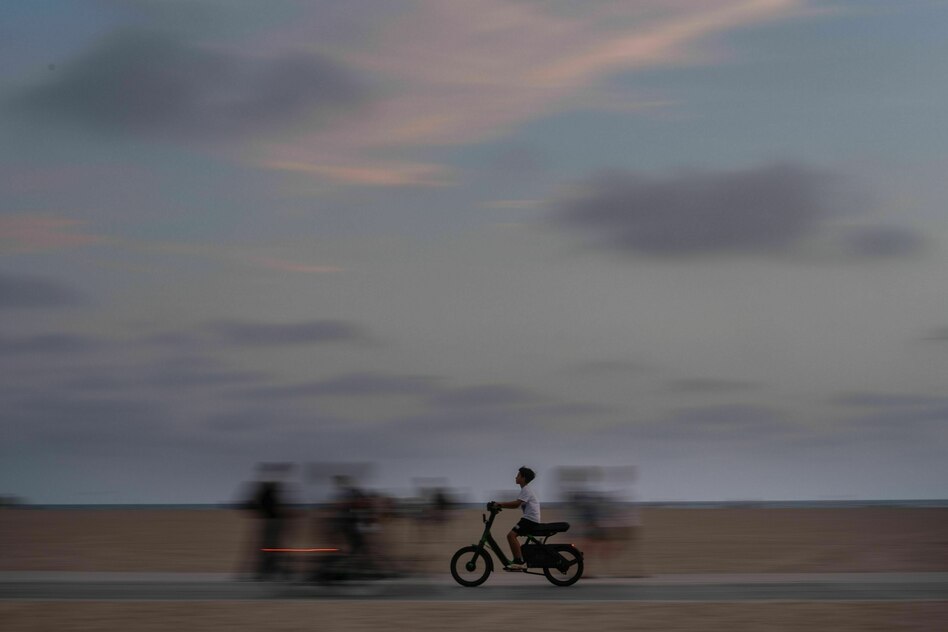
Tübingen's mayor Boris Palmer likes to drive fast. At least faster than a conventional e-bike, which provides electrical support for rides at up to 25 kilometers per hour: Palmer has an S-Pedelec that reaches 45 km/h. And Palmer has made sure that he can also ride it on bike paths in his city - completely legally, with a license plate for a moped.
However, it is illegal for e-bike riders to modify their 25 km/h vehicles on their own and then not seek a corresponding operating permit. In order to take action against such e-bike tuning, Europe's bicycle industry associations in Brussels have now signed a voluntary commitment and made demands to the EU.
Accordingly, the member states should primarily prevent the uncontrolled trade in so-called tuning kits - i.e. packages of vehicle parts, tools or software that make an e-bike faster. The associations are also calling for the police, customs and market supervision to combat the import of illegal e-bikes more specifically.
“Both are important contributions to road safety, consumer protection and the overwhelming majority of the European bicycle industry, which adheres to the legal requirements for e-bikes,” says a statement from the German lobby associations ZIV and Zukunft Fahrrad, which co-signed the Brussels papers. Non-compliant bikes from non-European countries are an economic danger for small and medium-sized companies from Europe, which bear the costs of testing and certifying their e-bikes.
The industry wants to take responsibility for itself, for example by constantly developing the e-bike drive in such a way that tuning becomes more and more difficult from a purely technical perspective. The associations want to better inform bicycle dealers and customers about the legal requirements for faster S-Pedelecs - such as license plates or insurance - and to speak out against e-bike tuning more frequently and loudly in public.
It is no coincidence that the bicycle industry has now developed sophisticated measures: the EU is currently working on reforms, according to ZIV and Zukunft Fahrrad, which have an influence on the European e-bike market. The planned European product law should ensure that online sellers outside the EU have to be more clearly liable for the goods they sell.
In Germany, the topic is important because e-bikes now dominate the bicycle market. According to ZIV, in 2025 more than half of all bicycles sold here were battery-operated, and there will be a total of more than 17 million Pedelecs. Anyone who pimps up their e-bike so that the motor still helps at speeds of over 25 kilometers per hour and is caught without an operating permit may receive a fine of more than 70 euros, possibly one point in Flensburg. Anyone who travels without insurance is committing a crime. According to information from the police union from 2023, five to ten percent of e-bikes in Germany are tuned.
In their appeal to the EU states, the industry associations point to a law from France that curbs the uncontrolled trade in tuning kits. In fact, the local road traffic regulations Code de la route prohibits the manufacture, import and sale of devices that ensure that “the legal limits regarding speed, displacement or maximum engine power” are exceeded. Anyone who does so risks a prison sentence of up to two years and a fine of 30,000 euros.
It's not just about electric bikes, but also mopeds, motorcycles and motorized four-wheelers. The German associations are also certain: “The problem is not specific to bicycles,” and a legal solution would therefore help more areas than just the bicycle industry.
Read the full story at the source
Source: taz