
Migration taz
German deportation center in Rwanda: How refugee reception should benefit Rwanda
Rwanda's government hopes that Europe will also provide vocational training and work for its own people. UN organizations could support deportees. more...
Deutsch (original) ·Auto-translated to English
What is happening these days in Vienna, where five EU states, including Germany, have reached a deal with Rwanda for a deportation center called a “Return Hub” from 2027, is a turnaround in European relations with Rwanda. After the sanctions because of the country's involvement in the war in the east of the DR Congo, Rwanda is being courted as a partner again.
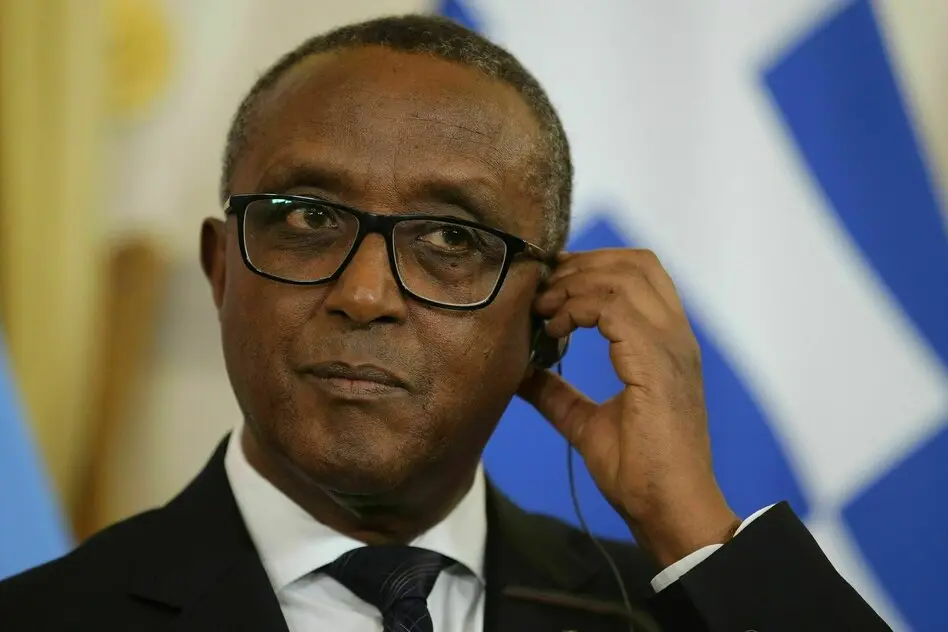
On Tuesday morning, Rwanda's Interior Minister Vincent Biruta explained in Vienna why the small country, which is already hosting well over 100,000 refugees, wants to accept asylum seekers rejected by the EU. “We are an open country,” emphasized Biruta, mentioning visa-free entry for all Africans in Rwanda. His compatriots “were almost all refugees at some point in their lives,” says Biruta. That is why Rwandans are “sensitive” to the fate of refugees. In addition, most migrants who make their way to Europe are “talented” and can make an economic contribution in Rwanda.
Rwanda is characterized by agriculture and is very densely populated with almost 15 million inhabitants in an area roughly the size of Hesse. As Biruta emphasizes, the government is focusing on expanding the service sector, such as the IT sector, to create jobs. Refugees and migrants automatically receive a work permit in Rwanda as well as the option to open shops or restaurants or become self-employed in another sector.
“At some point they will be able to stand on their own two feet, support themselves and contribute to our economy,” Biruta said. It is therefore important for Rwanda to “work with partner countries to ensure that these people can stand on their own two feet as soon as possible.”
EU-financed vocational schools and similar educational institutions are being discussed, which would then also be open to Rwandans. It is unclear what Rwanda demands overall in return for accepting refugees.
One thing is clear: The fact that the Europeans are now calling Rwanda a “partner” again gives the government in Kigali strong leverage. This became apparent in September: Shortly after a European delegation visited Kigali, Belgium and Rwanda resumed their diplomatic relations, which had ended in March 2025 after a violent falling out. Since Belgium's embassy processes all visa applications from Rwanda for the Schengen area, this had significant consequences far beyond Belgium - these have now been overcome.
Human rights organizations strongly criticize the return hub plans because Rwanda is ruled autocratically. On Tuesday, the UN High Commissioner for Human Rights joined the criticism, saying he was “alarmed” by the plans. The EU has made great efforts to involve the UN refugee agency UNHCR in the project and thereby give it legitimacy - similar to what the USA did with the deportation of third-country nationals to Uganda. UNHCR Director Barham Salih attended the meeting in Vienna.
According to reports, the people will be accommodated in the existing UNHCR facility in Rwanda. However, UNHCR is not responsible for rejected asylum seekers, and that is the only issue at issue.
UNHCR confirmed to taz that it was “not involved in the operational implementation of the return hubs”. UNHCR “is conducting constructive discussions with the States concerned and advising them on how to ensure that international human rights standards are taken into account in the context of the return hubs”.
The UN migration organization IOM says it could play a more active role. IOM said on Tuesday that in response to a request from the Rwandan government, it had promised “support in principle”. Possible support for deportees upon their arrival in Rwanda “would focus on access to essential services, possibly health care, mental and psychosocial support, information, advice, protection and supporting access to the local labor market.”