
Germany taz
Federal budget 2027: electricity tax electrifies coalition
On the home stretch for the 2027 federal budget, the coalition is planning more funds for e-car funding, but is continuing to discuss tax policy. more...
Deutsch (original) ·Auto-translated to English
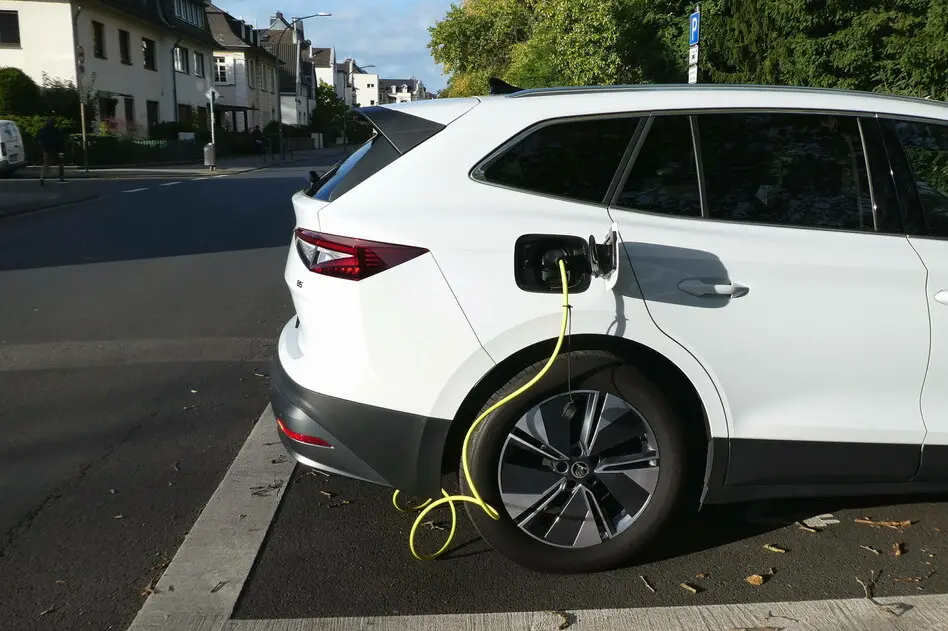
The Union and SPD are struggling to put together the federal budget for 2027. In the coming year, more buyers of new electric cars will receive a government subsidy, which will lead to higher expenses. However, there was no agreement on other issues on Tuesday, particularly on the reduction in electricity tax desired by the Union.
Some shifts emerge from the so-called adjustment template from the Federal Ministry of Finance. This means that Minister Lars Klingbeil (SPD)'s house is bringing the numbers up to date. The budget politicians from the Union and SPD in the Bundestag then have to tie everything together into a package. They have until Thursday night to do this. It has not yet been completely possible to adapt the excessively high spending expectations to the low income expectations.
The fact that more money should be available for e-car funding is based on greater demand. More private households than expected are now switching from gasoline and diesel cars to electric vehicles. Given the high fuel prices, they are reducing their costs. The Environment and Finance Ministries therefore want to make an additional 900 million euros available in the budget plan for 2027 so that as many applications as possible can be considered. However, the 2.7 billion euros that are available for this purpose would then be used up more quickly, perhaps as early as 2028.
Also in the Finance Ministry's list is a larger loan from the budget to the Federal Employment Agency. Instead of the planned 5 billion euros, around 8 billion euros should flow. Reason: Among other things, unemployment benefits cost more than expected. Although the economy is recovering, it will probably take some time before new jobs are created. However, the government hopes that the agency will pay off the loan at some point. Green budget politician Sebastian Schäfer criticizes this: “With loans like this, the government is just postponing problems into the future.” Other items on the list include around 650 million euros more for the health insurance companies and an additional 2 billion euros for the Bundeswehr. The Union and the SPD now have to find counter-financing for such expenses.
Two outstanding issues stand out: electricity and income tax. Lowering the electricity tax was chosen by Chancellor Friedrich Merz (CDU) as a visible sign of relief after the right-wing extremist AfD became the strongest party in the state elections in Saxony-Anhalt. It would cost around 5 billion euros annually, and the cost of living for average private households would fall by, for example, 4 to 8 euros per month. The Union really wants this, but Finance Minister Klingbeil is hesitant because of the costs. Negotiations were still ongoing on Tuesday about whether a balance in the so-called renewable energy account could serve as counter-financing.
When it comes to income tax reform, the CSU and CDU are pushing for more relief for most private households than the government has previously wanted to do. Keyword “cold progression”: The inflation-related tax increases should be completely offset, not just partially. The Ministry of Finance sees no scope here either. A final agreement is also pending on certain increases in sugar drinks, alcohol, tobacco and the new tax on plastic packaging.
The tax issues are so difficult in this government because the CDU/CSU is skeptical about most tax increases, but the SPD often sees them as an effective means. A proposal like the one the Greens are bringing to the Bundestag this week - a new tax on "extreme wealth" above 500 million euros - could solve many financial problems, but cannot be done with the coalition.
According to the current status, the budget for 2027, including all special funds, amounts to around 670 billion euros. Around 200 billion euros of this comes from new debt.