
Germany taz
Style criticism from AI images on the internet: The devil wears Dior
Turning up one's nose at “AI slop” leads to an increased celebration of the handmade online. But you can also see AI images as a new form of pop. more...
Deutsch (original) ·Auto-translated to English
Generative AI is a “nostalgia machine,” as the image scientist Roland Meyer once put it. Apparently she also infects her opponents with a longing for the past. In any case, over the past month my feed has been saturated with trends and trend diagnoses that call for a return of human craftsmanship in response to all the AI slop. Flyers, advertising posters and menus are being made again, whereas AI-generated posters from small and medium-sized restaurants are outright banned.
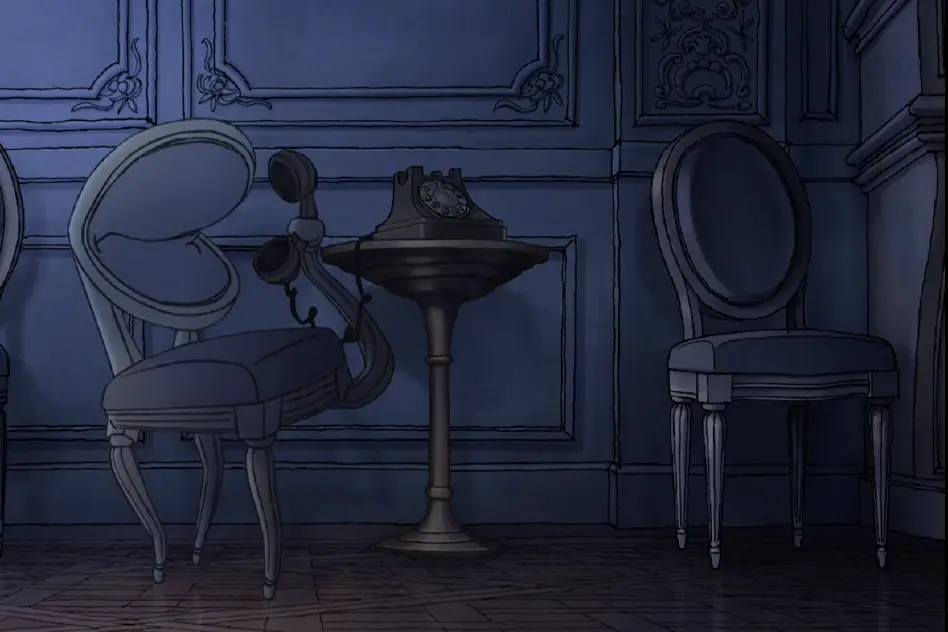
Dior's Christmas advertising this year matched this. In "Christian Dior's Night in Color", an animated film by Sylvain Chomet, the fashion designer is supposed to design a dress for Marlene Dietrich at short notice in 1949 because her film is suddenly shot in color. Oscar-nominated director, Robert Pattinson, Rihanna and Josh O'Connor as voices, seven minutes of animation, the message goes without saying: Look, another person worked here!
Shortly before, Prada had invented hand-drawn animation as a luxury item with “Drawing Prada”. Disney veteran John Pomeroy drew a winter world, and the label was celebrated for its commitment to “art with soul.” The reels were full of takes on the increasing value of humanity in the age of AI, presented in a contemporary analytical manner, but not exactly original.
Then things changed because Reels and TikToks suddenly appeared in which Dior was accused of having worked with AI. The man-made was merely copied as a style! Analyzing individual frames in which it was supposedly obvious (I can't judge) that AI was at work quickly became a trend. And social media forensics are now also attacking the Prada spot. Hand-made things need to be convincingly proven!
I certainly don't want to take a stand for AI images, and even less for those who are responsible for their technology. Yes, companies use them to reduce costs. Yes, they avoid rights issues, and yes, they devalue many areas of human work and creativity. This is a social problem. But the defensive reaction takes on an all-too-familiar form that makes me uncomfortable. It revives the separation of “high” and “low” culture, in which judgment never only applied to products, but also to those who enjoyed them.
It is no coincidence that the AI posters from kebab stalls and burger shops in particular are being dismantled, images that were not exactly considered the pinnacle of human ingenuity even before AI. Is the line really between man and machine? I doubt it, as Magnus Resch would say. In any case, the wrinkling of one's nose at slop here is very close to that which has been encountered with kitsch for a hundred years.
Slop has – forgive me – definitely created its own aesthetic. Slop is excessive, things fall apart either on a motivic or content level, it is puzzling because it was created unintentionally. It's a kind of meat-grinder pop; perhaps not attractive, but quite interesting as a visible symptom of a present in which images can be produced cheaply and (at least for the time being) endlessly. And it's an aesthetic you choose - just as you can choose "human" as a style.
The hand-drawn answer to this, on the other hand, often remains faithful to the conventions of the time when it was created, in the Disney look of the 1930s and 1940s. Of course it's nice as a Christmas advertisement, but it doesn't automatically make it resistant just because it's made by hand.
Perhaps the longing for good old craftsmanship is a final rebellion against the massive upheaval in cultural production and reception. But why should nostalgia be the most appropriate response to a technology that can transform everything from the past into style?