
Germany · taz · · 2h
Withdrawal from Kurdistan: Bîjî, bîjî, Bundeswehr
Deutsch (original) · Auto-translated to English
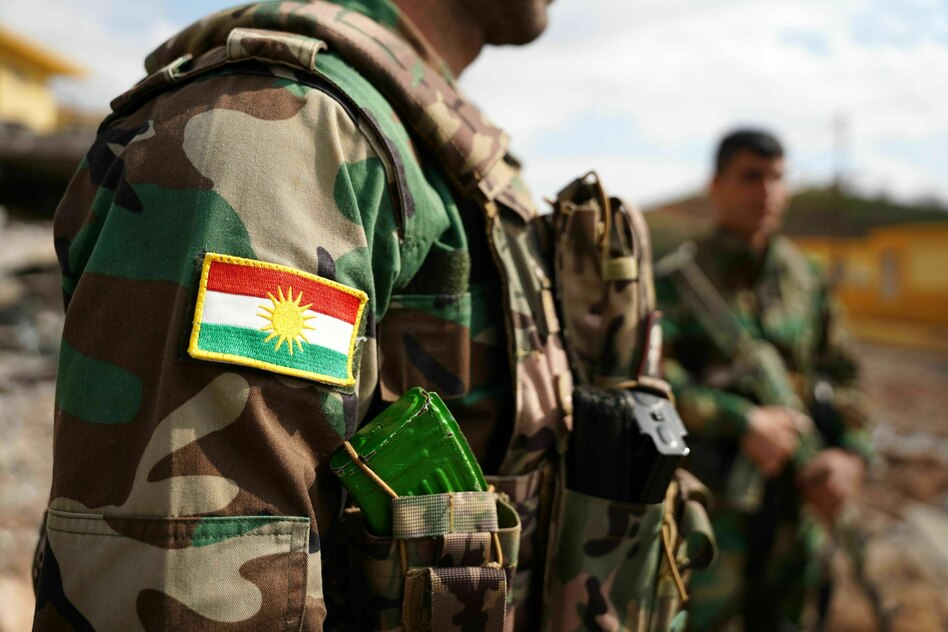
T he operation would have had the potential to arouse unusual sympathy for the Bundeswehr even at the anti-military demonstrations: Germany supported the armed struggle of the Kurds in northern Iraq for more than 10 years. Even if the training mission had its pitfalls, the operation always produced beautiful images: Kurdish fighters handling rifles somewhat haphazardly or Peshmerga posing with anti-tank weapons and the Kurdistan flag in an idyll of German apple trees. The recordings never fit into the image that German leftists have of the Bundeswehr.
The mandate that was supposed to train the Peshmerga units as ground troops in the fight against the “Islamic State” caused bizarre scenes at the end of January 2015. In the Bundestag, CDU MP Henning Otte described it as “cynical” to want to withhold the means of self-defense from the Kurds. On behalf of the SPD, Rolf Mützenich praised the liberation of the city of Kobanê by a broad Kurdish alliance, in which PKK branches were also involved. Now, according to Mützenich, it's about training the Iraqi Peshmerga in the fight against IS. “If the Bundeswehr can provide assistance, they should do so.”
Jan van Aken also expressed his “respect” for the women and men who freed Kobanê from the clutches of the Islamists. “Biji Kobanê,” shouted the left-wing MP in the Bundestag in Kurmancî, “long live Kobanê.” He did not push the folklore so far that he would have said that the Kurds had routed the IS fighters solely through wild Halay dances and loud trilling screams.
But when there was a real possibility of putting left-wing demonstration slogans into action and supporting the Kurds in their armed struggle, it was the Union and the SPD who made this possible. The left-wing faction voted unanimously against the mandate to supply the Kurdish Peshmerga units in northern Iraq with German weapons and to have them trained by the Bundeswehr.
Some of the left's arguments, which can still be read in the Bundestag minutes today, were certainly not wrong: the Peshmerga were too closely linked to the ruling elite in northern Iraq, which was driving a division in the country. The region can only be stabilized politically; to achieve this, pressure must also be exerted on the Gulf states and Turkey.
But these observations did not change the fact that the brutal advance of IS was ultimately stopped by the Kurdish alliance under cover of the US-led international coalition. Many Kurds from abroad saw the fact that the Kurdish units in Syria, after they had fulfilled their purpose, were quickly sacrificed again on the playing field of history as an expression of an almost biblical fate - which doesn't make anything better.
But in the meantime, for about eleven years in the Kurdish-Iraqi Erbil it was said: “Bîjî, bîjî, Bundeswehr”. Germany operated a camp in the city, delivered armor-piercing missiles and vehicles to the Peshmerga and supported the international coalition against the Islamic State with aerial reconnaissance flights. After the end of the Afghanistan War, this almost largest foreign deployment of the Bundeswehr with up to 500 soldiers took place in the shadow of the public, including the left-wing public.
A few days ago, this era also came to an end without making any big headlines: The Bundeswehr left Iraq because the government in Baghdad had demanded the withdrawal of all international troops from the country, as it was said. Militarily, the Kurds in the region are now on their own again - hopefully they have been adequately trained.
Read the full story at the source
Source: taz