
Germany · taz · · 2h
Adventure content on social media: The streamer on the power pole and the death of the subculture
Deutsch (original) · Auto-translated to English
W hen a friend climbed a power pole to tattoo someone on top and upload a reel to Instagram, I just thought to myself: Okay, please stay alive! He is a tattoo artist, needs customers, and you can no longer reach them with the greatest drawing talent, but with the best content.
Building parasocial relationships as a business model makes sense and I can't blame him. In part of the tattoo game, this also means: Whoever pulls off (and documents) the most blatant action is the one you want to get to know and who will ultimately get you tattooed.
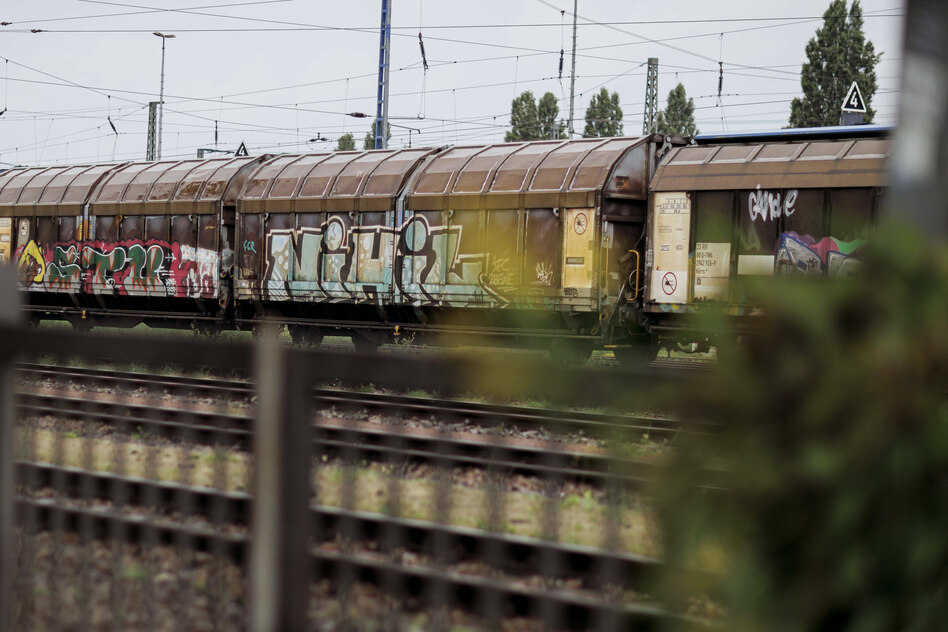
Because many people do it that way, the actions have to become increasingly blatant in order to attract attention. Many creative lone warriors have become content creators. It is often about content that tells about subcultures and borderline experiences. Masked people riding a freight train through Morocco, spraying a subway in Mexico, exploring tunnels.
It's about aestheticizing adventure in a time when you can go anywhere if you have enough money. Which brings us to the second person on the mast: irungrid. Its niche is to climb these masts. 180,000 people follow him.
Subcultures and radical hobbies are becoming more and more differentiated on the one hand, but are becoming thoroughly commercialized on the other. The volume of content, the endless stream of border crossings, robs these aesthetics of their subversive potential.
These videos are primarily monetized on YouTube and promote products. Guys who portray Berlin subculture in Reels work as location scouts for ultra-commercial pop-rap artists like Ski Aggu or Paul von 01099.
Urbexers (“urban explorers”) market the practice of temporary occupation on their channels, but apart from the best shot for reach there is nothing left of it – there is no political idea. These aren't necessarily leftists cosplaying resistance, I think to myself and click on.
On the other hand, the fact that everyone can now take part in the adventures from home is inclusive in a way. You no longer necessarily need (mostly male) mentors in real life, you just have to watch enough videos from Urbexer Shiey (almost 3 million followers on YouTube alone) to see how it works. This can empower women in subcultures and male-dominated niche hobbies from graffiti to freight hopping - and that is the only positive aspect of the contentization of subcultural secret knowledge and extremes in the feed.
This annoys people who have been traveling around the world on freight trains for years and are very careful about what they convey to the outside world. It's not the diversity, but the digital exploitation.
Because in addition to those who cash in on social media and brand deals, there is also another world: a clandestine one in which zines are printed and passed back and forth and anecdotes are told. An offline world away from the stream, exclusive but anti-commercial. It's about the moment, not the product.
Anyone who, out of a mixture of desire for recognition and pride in sin, publicizes every “adventure,” even illegal, reveals the last secret and shows the last lost place. The endless feed of crass self-promotion is a sad symptom of capitalism. Anyone who invests time and money in subversive hobbies finds it difficult to live without recognition and being linked to commercial exploitation.
I'm waiting for the implosion: adventure as a category out of the feeds! Maybe subversive ideas will develop again instead of just content plans. I'm already bored.
Read the full story at the source
Source: taz