
Politics Perspektive Online
Presidential election in Bulgaria: election fatigue and corruption
Presidential elections are being held in Bulgaria. After a first round of voting without a clear result, a runoff election is scheduled for Sunday. The core issues of the election are ongoing corruption and d
Deutsch (original) ·Auto-translated to English
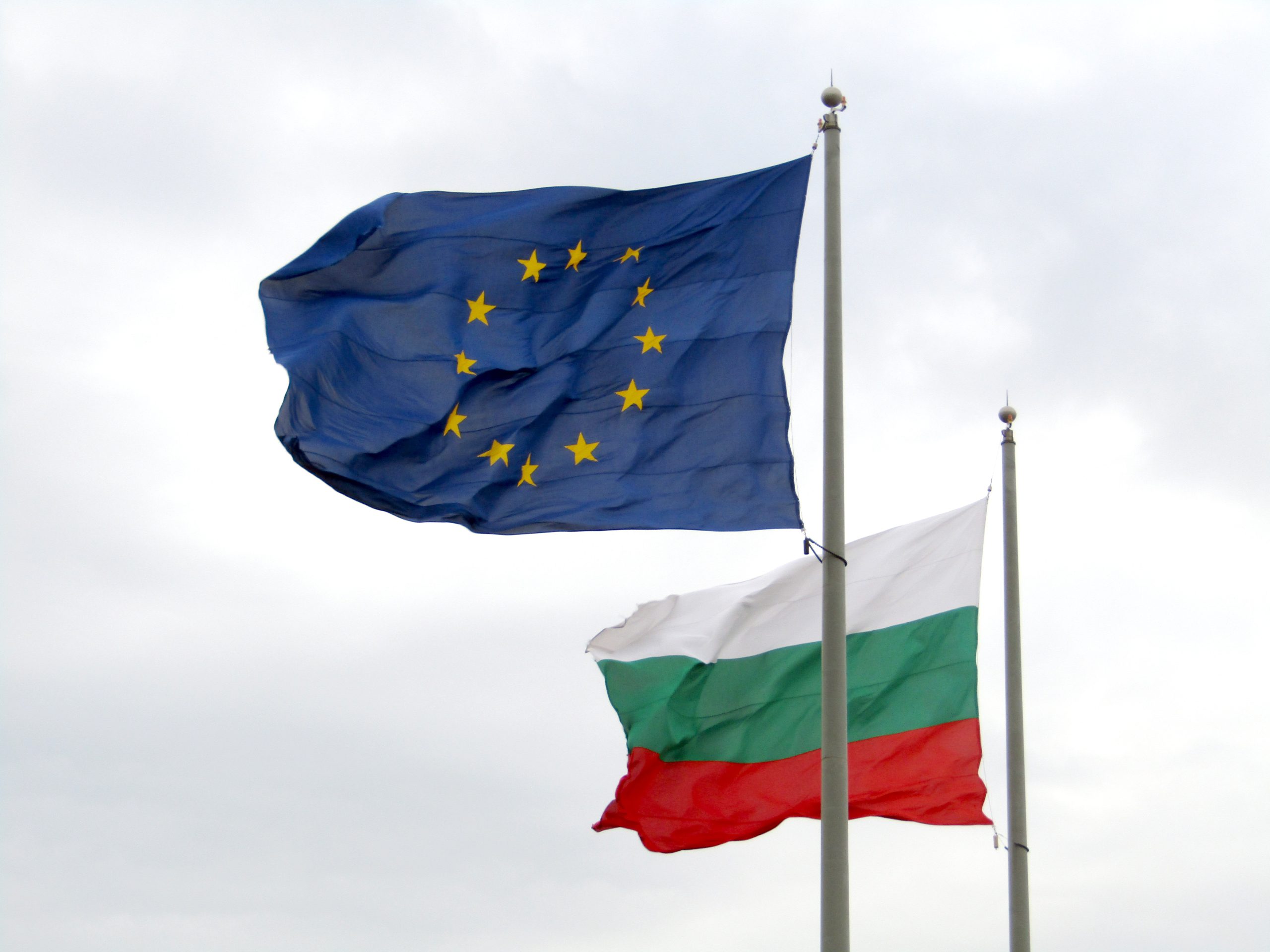
Presidential elections are being held in Bulgaria. After a first round of voting without a clear result, a runoff election is scheduled for Sunday. The core issues of the election are ongoing corruption and the attitude to the war in Ukraine.
Presidential elections are taking place in Bulgaria. In the first round of voting at the end of October, no candidate was able to obtain a majority of votes. With35 percentIncumbent Ilijana Jotova won the most votes, but it was still not enough to win with the necessary absolute majority. Former Prime Minister Andrey Gyurov also received almost 32 percent of the vote, making a runoff election necessary. This is now scheduled to take place on Sunday.
Landmark elections
The current incumbent, Jotova, is part of the Bulgarian Socialist Party (BSP). Yotova took over after Rumen Radev resigned in January. The BSP has been part of the Progressive Bulgaria (PB) party alliance since March 2026. This was founded by the incumbent Prime Minister and former President Radev for the parliamentary elections in April.
With a public anti-corruption stance, the alliance managed to achieve a landslide victory, winning almost 45 percent of the vote. After three failed attempts to form a government, the PB was able to successfully form a government under Radev's leadership in May.
Against corruption and the EU: Peasants' revolt in Greece - Demos in Bulgaria
In the past, Jotova and Radev have repeatedly expressed criticism of Ukraine's support and are taking a standagainst further financial aid. Against this background, the upcoming runoff election is of great interest to the remaining EU states.
Competitor Gyurov unites the liberal-conservative opposition behind him and primarily stands for a pro-Western course. Just at the beginning of the year, Gyurov met with Ukrainian President Volodymyr Zelensky for a ten-year anniversarySecurity agreementbetween Ukraine and the NATO state Bulgaria. At the time, Gjurov was president of the interim government after the previous formations failed. In the upcoming election, two fundamentally different approaches to foreign policy face each other.
Lack of trust in the state and politics
The fragmentation in Bulgarian politics is not only reflected in the lack of a majority in the presidential election. Voter turnout also reinforces this picture. Just 22 percent of Bulgarians eligible to vote took part in the election. For comparison, in most other EU countries it isParticipation in presidential electionsbetween 50 and 70 percent.
Election fatigue is not a new phenomenon in Bulgaria. The political landscape in the EU and NATO member state is characterized by ongoing crises. There is a feeling among the population of a permanent political crisis. The Bulgarian population has little trust in the institutions and great frustration with ongoing corruption. In addition, Bulgaria is also the poorest EU country in terms of gross domestic product per capita.
But election fatigue does not indicate a general political disinterest. It has existed in Bulgaria since 2020ongoing protestsagainst corruption and nepotism. It was only at the end of last year that nationwide protests again caused major social debates. The trigger was the budget plan presented, which envisaged increases in prices for the population and more spending on state institutions. Gen Z in particular took to the streets with the support of broader society and ultimately ensured the resignation of Prime Minister Rossen Shelyaskov.
Gen Z forces Bulgarian government to resign before joining the euro
The postPresidential election in Bulgaria: election fatigue and corruptionappeared firstperspective.