
World · Perspektive Online · · 2h
Pakistan and Afghanistan: renewed escalation at the border
Deutsch (original) · Auto-translated to English
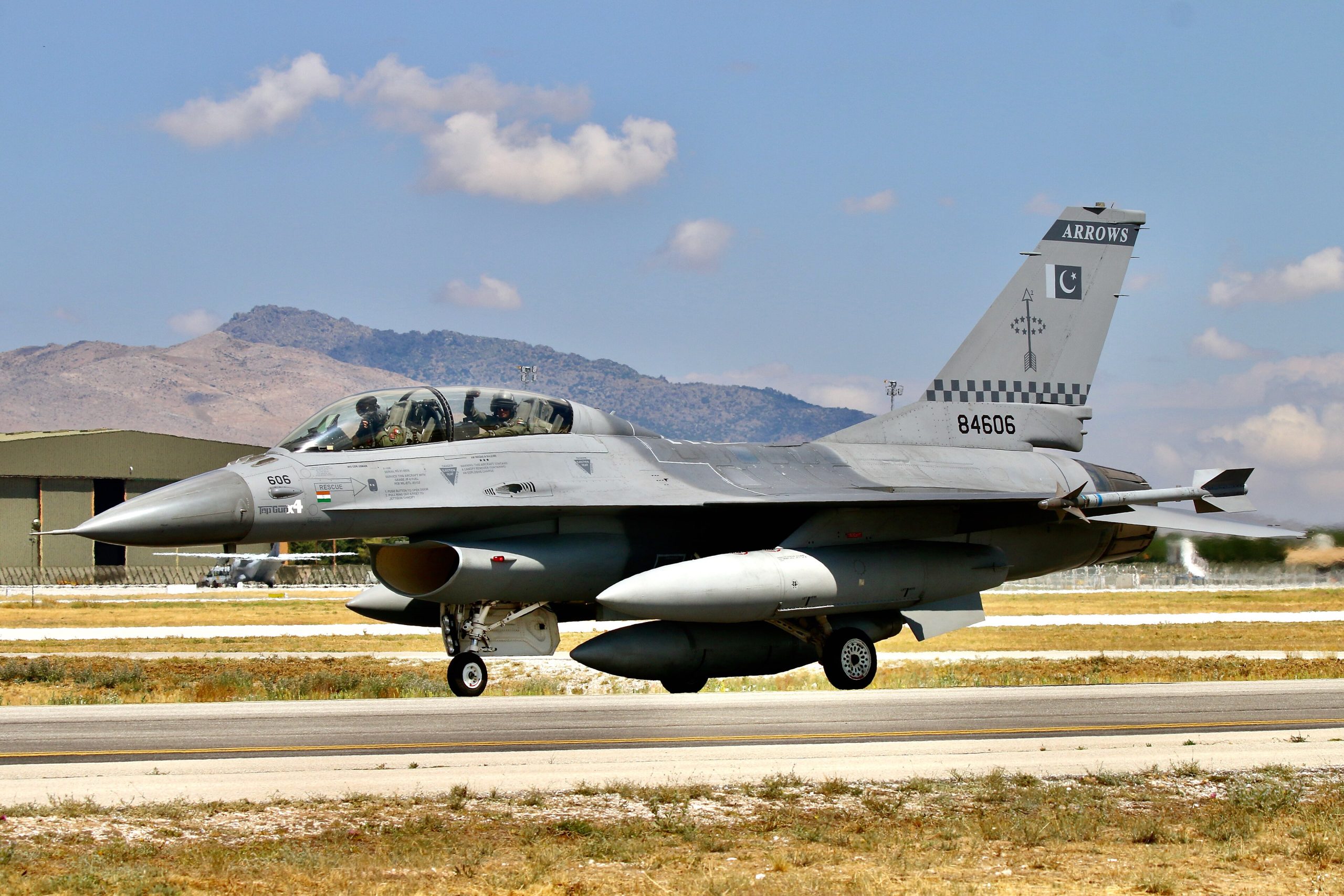
After a serious attack in Pakistan, Islamabad is again attacking targets in Afghanistan. The fragile ceasefire is therefore further endangered. At the same time, Russia is expanding its relations with Kabul.
Pakistan has targets in Afghanistan again on Mondaybombed. According to the Afghan Taliban, the provinces of Kunar and Paktika in the east of the country were affected. Pakistan said it hit three armed group positions, killing 28 militants. One of the targets was a training center for suicide bombers.
The Afghan sidereportedhowever, from civilian victims. A residential building was hit in the Nurgal district of Kunar. The attack killed three members of a family and injured four others. A shop and an unoccupied house in Paktika were also damaged. A UN agency on siteconfirmedthe reports of civilian deaths in Afghanistan.
The Pakistani air strikes were preceded by a serious onestopat a police complex in Kohat in Pakistan's Khyber Pakhtunkhwa province last Friday. A suicide bomber blew up a vehicle loaded with explosives, followed by a battle that lasted around 20 hours. According to Pakistani authorities, at least 21 people were killed and more than 100 injured. The Pakistani government blames militant groups allied with Afghanistan.
The group Ittehad-ul-Mujahideen Pakistan claimed responsibility for the attack. She is associated with the Tehreek-e-Taliban Pakistan, or TTP for short. The TTP – also known as the Pakistani Taliban – has been fighting against the Pakistani state for years. Pakistan accuses the Taliban government of allowing the TTP and other armed groups to retreat into Afghan territory. Kabul, in turn, rejects this and describes the violence in Pakistan as an internal Pakistani problem.
The current military conflicts end a brief period of relative calm in the region. Already inFebruaryThe conflict between Afghanistan and Pakistan escalated sharply. Pakistan bombed targets in Afghanistan, prompting the Taliban to attack Pakistani military positions. A preliminary de-escalation was agreed in March. In theJuneHowever, Pakistani air strikes followed again.
Islamabad: Attack in Pakistan leads to renewed tensions with India
How the conflict arose
Pakistan and the Afghan Taliban have long been allies. Pakistan supported Islamist mujahideen in the fight against Soviet troops in the 1980s. In 1996, Pakistan was one of the few countries to officially recognize the first Taliban government. Even during the US-led occupation of Afghanistan from 2001, Pakistan maintained its contacts with the Taliban.
Pakistan was thus pursuing its own security policy interests. An alliance with the government in Kabul should, among other things, prevent Afghanistan from becoming an ally of India. At the same time, Pakistan hoped to be able to exert influence on developments in its neighboring country through the Taliban.
However, after the Taliban returned to power in 2021, relations deteriorated. The focus is on the TTP. It has been waging an armed struggle against the Pakistani state since 2007 and carrying out attacks primarily in the Pashtun-majority Khyber Pakhtunkhwa region and other border regions.
Although the Taliban have taken action against the TTP, Pakistan is demanding much tougher and verifiable action. At the same time, the Taliban government itself only has limited control over the numerous armed groups and local power structures in Afghanistan. In addition to the TTP, other jihadist organizations are active there, including the Islamic State of Khorasan (ISKP). Baloch separatists also pose a security problem for Pakistan.
There is also an older border conflict. Afghanistan does not recognize the so-called Durand Line, established between British India and Afghanistan in the late 19th century, as the final international border. Large Pashtun populations live on both sides. The border has therefore been politically and militarily contested for decades. These conflicts gave rise to a recurring cycle of attacks, military strikes and mutual accusations.
Water Use, Heroin and Imperialism: Pakistan's War on Afghanistan
Russia's new role
At the same time, Russia is expanding its relations with the Taliban government. RussiarecognizedThe Taliban government officially announced in 2025 and signed in May 2026Agreementon military-technical cooperation with Kabul. The exact contents have not yet been published. AfterRussian informationMoscow is now striving for a comprehensive partnership with Afghanistan.
Russia is pursuing its own interests. Moscow particularly views the ISKP and other jihadist groups in Afghanistan as a threat to Russia and the Central Asian states. At the same time, Russia wants to secure its influence in Central Asia. In September, Russian Defense Minister Beloussov said securing the Tajik-Afghan border was a priority for Russia. Russia maintains a large military base in Tajikistan.
The Russian-led Collective Security Treaty Organization (CSTO) is also increasing its activities. In Septemberpracticedits troops in Kazakhstan to defend against a possible incursion by armed groups from Afghanistan. For theTajik-Afghan borderadditional weapons and equipment were also announced.
Russia's closer relations with Kabul could therefore also become relevant for the conflict between Afghanistan and Pakistan. Moscow has contacts with both sides and has its own interest in preventing armed groups from Afghanistan from penetrating neighboring countries. It is currently unclear whether Russia will use this influence to mediate between Kabul and NATO ally Pakistan.
The postPakistan and Afghanistan: renewed escalation at the borderappeared firstperspective.
Read the full story at the source
Source: Perspektive Online