
Germany · Perspektive Online · · 2h
Military escalation in Yemen
Deutsch (original) · Auto-translated to English
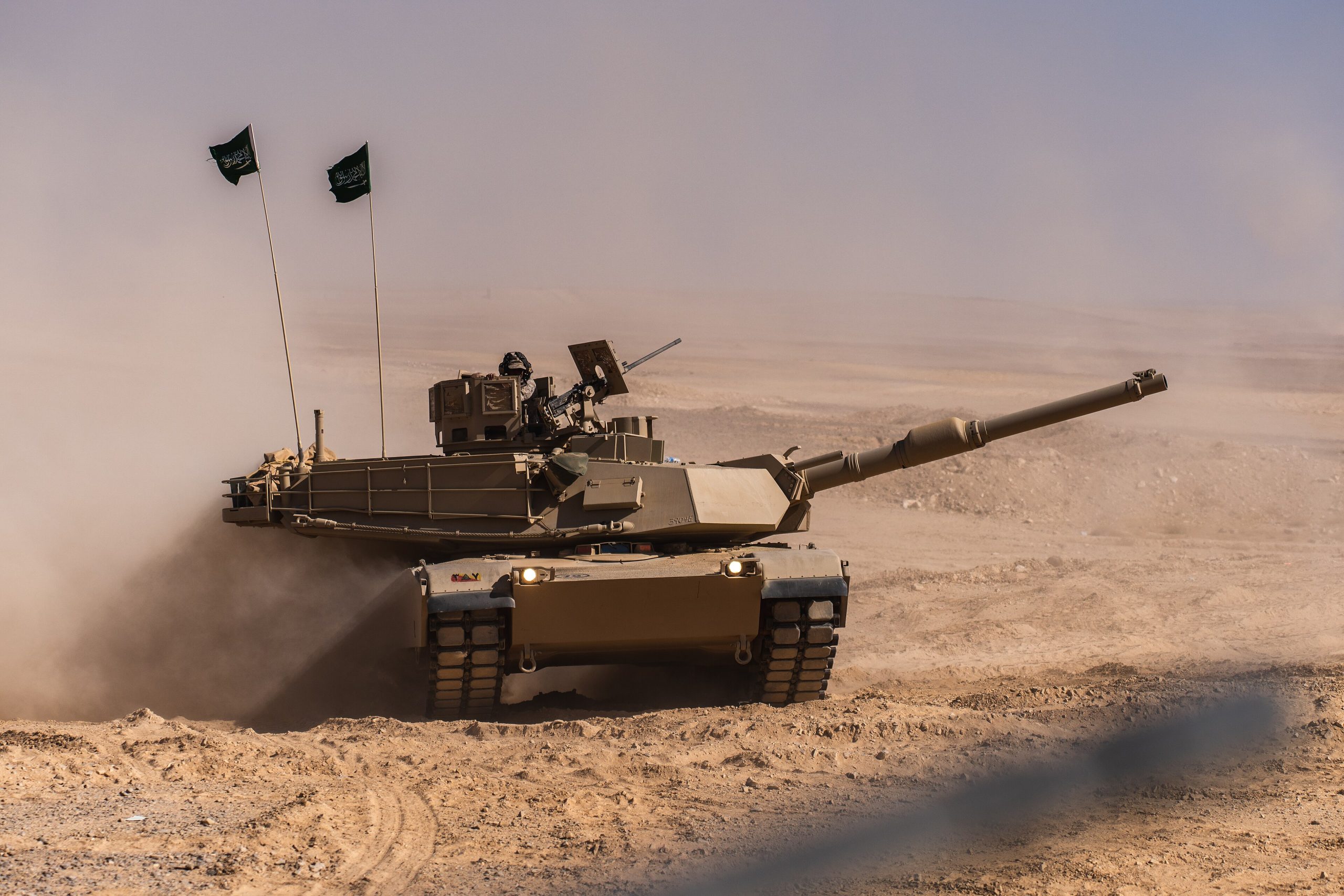
Saudi Arabia and its allied Yemeni forces have launched a counteroffensive against the Houthi militia. The focus of the fighting is control of the Bab al-Mandab Strait. The USA and Germany are also indirectly involved in the conflict.
On Sunday, the Presidential Leadership Council in Yemen announced a comprehensive military offensive against the Houthis. The goal was to recapture the recently lost territories. Saudi Arabia is supporting the offensive against the Houthis with its own air strikes.
Just one day later, onMonday, Yemeni government troops reported that they had taken control of the Dhubab district and an airfield there. During the day the capture of the port city of Mocha was also reported. The Houthis partially deny the information.
There is currently fighting on several fronts. In the region around Taiz, approximately 100 kilometers east of Mocha, the Houthis were recently able to gain territory of their own and interrupt an important connection between Taiz and Aden on the country's southern coast.
For Saudi Arabia, the counteroffensive is particularly about controlling the Bab al-Mandab Strait. The strait connects the Red Sea with the Gulf of Aden. The shortest sea route between Asia and Europe leads via the Red Sea. The Houthis captured large parts of Yemen's west coast and the island of Mayun in Bab al-Mandab in September. In doing so, they secured direct influence on one of the region's most important shipping routes.
The importance of the strait has increased further due to the current situation. After Iran blocked shipping traffic through the Strait of Hormuz as part of the war with the USA and Israel, the Houthi control of Bab al-Mandab threatens to create a further bottleneck for the transport of oil and other goods. A long-term obstruction of both sea routes would significantly complicate energy supplies and international trade.
Continuation of the war between Saudi Arabia and the Houthis
Today's war stems from the power struggle that escalated in 2014 with the Houthis' capture of Sanaa. The militia has since controlled large parts of the north and west of Yemen. In 2015, Saudi Arabia, at the head of a coalition, intervened militarily to support its allied forces in the country. Despite years of air strikes, they were unable to decisively push back the Houthis.
A UN-backed ceasefire in 2022 subsequently led to a widespread freeze on the fronts. The Houthis retained Sanaa and large parts of the north, while Saudi-backed forces mainly controlled the south and east. This year, however, fighting broke out again on a larger scale.
In parallel, the Yemen conflict has become more closely linked to the regional dispute between Iran and its opponents. The Houthis are politically and militarily close to Iran. Although the regime in Tehran repeatedly emphasizes that the Houthis act independently, it supplies the militia with rockets and drones.
Since the beginning of the war between the USA, Israel and Iran, the fighting in Yemen has increased in intensity. The Houthis attacked Saudi infrastructure and ships, while Saudi Arabia responded with airstrikes. According to theInternational Organization for MigrationSince it intensified again in recent months, around 184,000 people have been displaced.
USA remains open to entering the Yemen war
TheUSAhave not yet taken a direct part in the Saudi counteroffensive. However, Washington is supporting its ally Saudi Arabia with intelligence information and targeting, according to several sources. Saudi Arabia had asked the US to participate directly in air strikes, but the Trump administration has so far refused. One of the reasons is the concentration of US forces on the war against Iran. However, US Secretary of State Marco Rubio said on Monday that Washington would keep its security commitments to Saudi Arabia.
The USA is therefore initially keeping direct military involvement in Yemen open. The US government must weigh up between supporting Saudi Arabia and the risk of tying up additional military resources through another front. Senior Trump administration officials discussed the war against Iran and the escalation between the Houthis and Saudi Arabia at Camp David last Friday.
Houthi offensive on the Red Sea puts Saudi Arabia in trouble - USA hesitant
Germany supports Saudi Arabia
Germany also has a military presence in the region. The Bundeswehr is participating in the EU mission EUNAVFOR ASPIDES, which is intended to protect merchant ships in the Red Sea and monitor the maritime situation. TheFederal CabinetAt the end of September, decided to extend the deployment until October 2027. Up to 350 soldiers are still planned - the use of a frigate remains possible. The EU mission was launched in early 2024 after the Houthis attacked several international merchant ships in the Red Sea in response to the Israeli offensive in Gaza.
Germany also supports Saudi Arabia on a political and military level. The Federal Republic of Germany has maintained close military cooperation with the Saudi royal family for years. This includes arms exports, includingRocketsandComponents for combat aircraft, training and cooperation programs as well as the exchange of military-relevant information.
It was only in February that Chancellor FRiedrich Merz (CDU)Visited Saudi Arabia to build a strategic partnership with the kingdom. As part of this partnership, Germany recently expanded its options for arms deliveries to Saudi Arabia. However, there is no direct German involvement in the current Saudi air strikes in Yemen.
The postMilitary escalation in Yemenappeared firstperspective.
Read the full story at the source
Source: Perspektive Online