
Politics Perspektive Online
Lula da Silva wins runoff against Bolsonaro in Brazil
The social democratic incumbent Lula da Silva narrowly won the runoff vote in the Brazilian presidential election. The right-wing opponent Flávio Bolsonaro recognizes the election of
Deutsch (original) ·Auto-translated to English
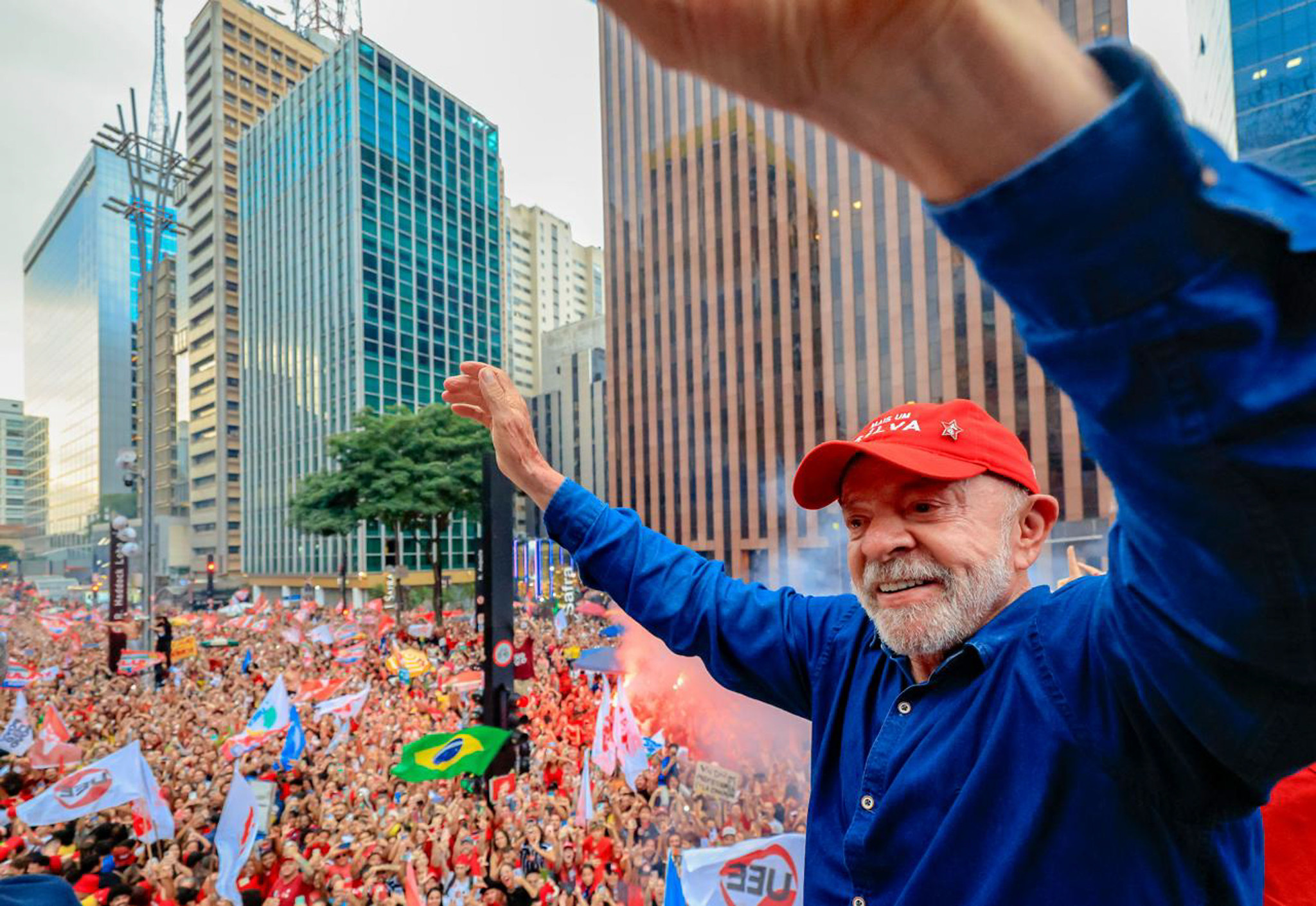
The social democratic incumbent Lula da Silva narrowly won the runoff vote in the Brazilian presidential election. The right-wing opponent Flávio Bolsonaro is not recognizing the election for the time being. The election was previously extended by two hours.
It was the close election result that everyone expected: with 51.8 percent of the vote, incumbent Lula da Silva was able to prevail against his challenger Flávio Bolsonaro in the second round of the Brazilian presidential election. This was the first time since 1989 that a candidate who was in second place in the first round of the presidential election won.
The exit of theRunoff electionwill immensely influence Brazil's domestic and foreign policy and also have international implications. As incumbent president, Da Silva repeatedly drew attention to his previous achievements during the election campaign. He said he had brought economic growth to the country and promoted the fight against poverty and hunger.
Lula also campaigned for environmental and climate protection during the election campaign. Under Lula's government, deforestation in the Amazon rainforest is currently at an all-time highlowest levelsince records began in 1988. Under his predecessor, Jair Bolsonaro, annual deforestation increased by 60 percent.
Flávio Bolsonaro is following in the footsteps of his father, ex-President Jair Bolsonaro, who has now been sentenced to house arrest. He stands for a libertarian-right policy based on the US government. The plans to pardon his father also polarized the population.
In the first round of voting, Bolsonaro was particularly supported by farmers with large land holdings, large business owners and evangelicalssupports. He promised his supporters budget cuts, tax cuts and the “war on drugs”.
Bolsonaro wins first round: shift to the right and US influence in Brazil
Bolsonaro does not recognize the election
After the announcement of theElection resultsBolsonaro announced that he would not recognize the election results. He justifies this with the opening of the polling stations being extended by two hours.
The decision to extend the elections came from Brazil's Supreme Court. However, it was previously requested by both Da Silva and Bolsonaro himself. However, Bolsonaro had only called for the measure for some specific areas affected by heavy rains.
Lula justified the demand with local buses that are being phased out in several citiespulledbecame. Many flights and trains and flights were also canceled due to bad weather on election day. Brazil's president of the electoral court, who was appointed by Jair Bolsonaro, said the extension of the election had no influence on the result.
Brazil's importance to the USA
The election in Brazil is also of great importance for the USA. This has been massively expanding its direct and indirect influence on South and Central American states since Donald Trump's second term in office in 2025 at the latest. This is evident, among other things, in the proclamation of the so-called Donroe Doctrine, which is intended to prevent the influence of other states on South and Central America. The focus is on China, the USA's main competitor. China is, among other things, a partner of China within the framework of the BRICS agreement.
During the election campaign, Da Silva repeatedly emphasized Brazil's independence from other states and wanted to have diplomatic and trade relations in all directions. After an election victory, Bolsonaro again held out the prospect of joining the USA. Bolsonaro is also close to the Trump administration in terms of domestic policy. He aims for libertarian politics in the style of Javier Milei's Argentina. In doing so, he uses classic narratives of the New Right, which are expressed, for example, in his hate speech against queer people.
“Shield of the Americas”: USA forms imperialist military alliance against China
Accusations of interference against the USA
Considering the importance of the election for the US government, it becomes clear why they might have an interest in overturning the electioninfluence. Accusations of this kind have been made again and again in recent weeks. The allegations came from both Brazil and the US opposition.
Brazil's economy is suffering from tariffs imposed by the USA. Trump's government had now raised this to 50 percent in response to the trial against Jair Bolsonaro. Bolsonaro was convicted of attempting a coup after leaving office in 2023. Through the high tariffs, the USA is actively undermining da Silva's economic successes. The process was accompanied by defamation by Donald Trump and his Secretary of State Marco Rubio. Bolsonaro, on the other hand, received praise from Donald Trump.
Also were from theUS governmentMillions of dollars in human rights funding were used to sow doubts about Brazil's Supreme Court.
Most recently there were internal messages from the social media companyMetahighlighted that Silva's ability to distribute his content on the Instagram platform had been restricted. Meanwhile, the platform's algorithm gave Bolsonaro's content priority. The group announced that the restrictions were technical errors. It was not intended to influence the election campaign.
Protests in the run-up to the election
In the run-up to the runoff election, there were always big onesprotests, where the population expressed their displeasure with Bolsonaro. The trigger was the presidential candidate's high ratings in the first round of voting at the beginning of October.
The demonstrators feared that Brazil could become a vassal of the USA under Bolsonaro. Many minorities also feared for their rights under Bolsonaro.
BothDemonstrationsThese were the largest protests by the Brazilian political left in over three decades. Many demonstrators are young people and students who had their first experiences with politics during the protests against Bolsonaro. However, the demonstrations went beyond mere student protests and encompassed a broad section of theCompanya. Trade unions, sports clubs and other public and private organizations also took part in the actions.
The postLula da Silva wins runoff against Bolsonaro in Brazilappeared firstperspective.