
Germany Perspektive Online
Arrow 3 in the Allgäu: Danger to the drinking water supply?
A radar station for the Arrow 3 missile defense system is to be built in the Königsberg Forest near Friesenried. For this purpose, large areas of forest are cleared and a restricted military area is set up. residents
Deutsch (original) ·Auto-translated to English
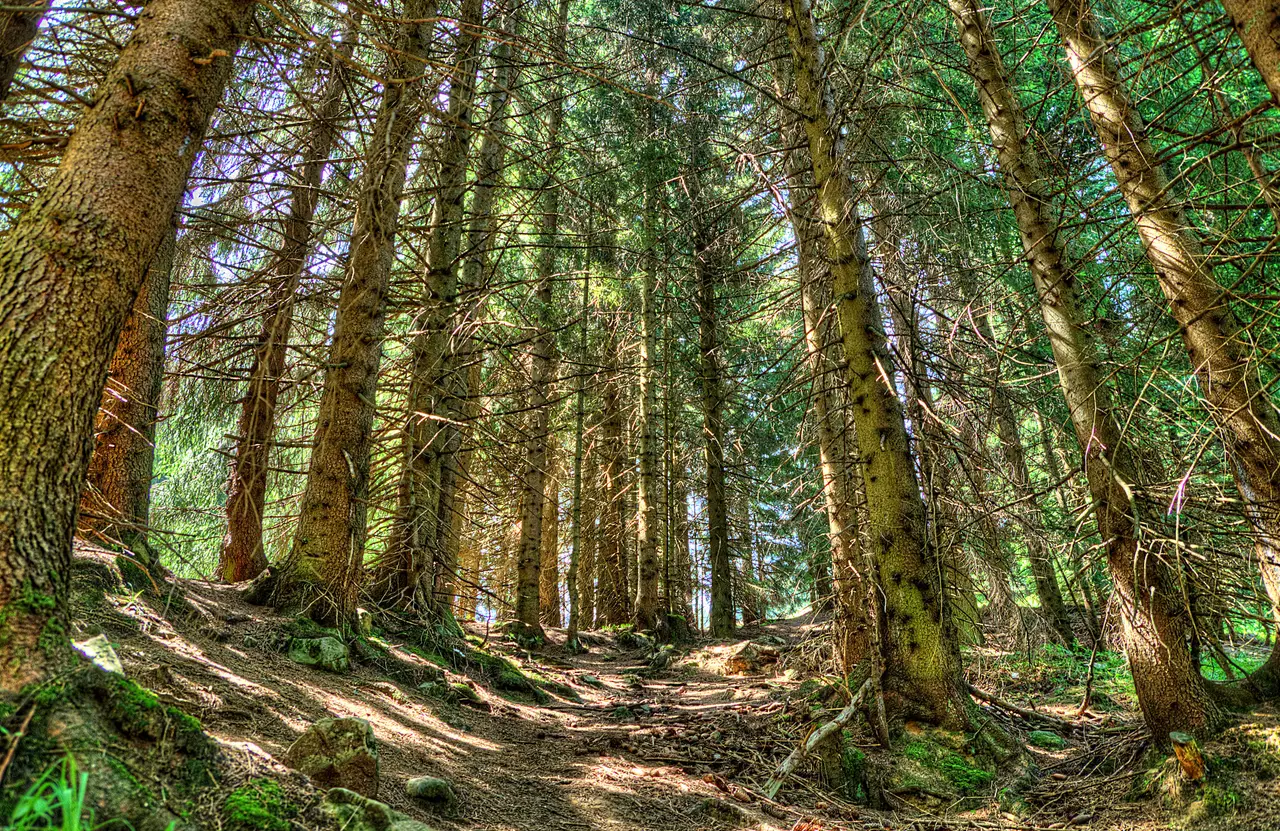
A radar station for the Arrow 3 missile defense system is to be built in the Königsberg Forest near Friesenried. For this purpose, large areas of forest are cleared and a restricted military area is set up. Residents fear significant consequences for the drinking water supply.
The Bundeswehr is planning to build a radar station for the Israeli-American missile defense system in the middle of the Königsberg Forest in OstallgäuArrow3. The so-called southern operational position is to be built near Friesenried-Aschthal and will become part of a nationwide missile defense system. The facility should be integrated into the military command structures by 2029 at the latest. To achieve this, Germany is investing a total of around four billion euros from the Bundeswehr's special funds in the Arrow-3 system.
Arrow 3 is a missile defense system designed to intercept ballistic missiles outside the Earth's atmosphere. This requires powerful radar systems that can detect and track incoming missiles over long distances.
But while the federal government presents the project as an important contribution to national and alliance defense, local concern for nature and the needs of local residents is growing. The effects on the drinking water supply, the clearing of the forest and the burden on the surrounding communities are particularly criticized. Even the late oneinformationof the communities and lack of participation in planning are criticized by citizens.
Secret meeting with arms company Covenant in Leipzig: Why is it only now becoming known?
Clearing for the Bundeswehr
The Free State of Bavaria initially gave the Bundeswehr around 80 hectares of forest area for the planning and use of the radar station. According to current planning status, around 14 hectares of forest are to be cleared to operate and secure the facility. OneCitizens' initiativeagainst Arrow 3, which was founded shortly after the project was announced, speaks of a military security area of up to 30 hectares and possible clearing of up to 20 hectares.
The use of the site is designed for at least 30 years. This would mean that a forest and local recreation area that was previously publicly accessible would be permanently shaped by military infrastructure. The Bundeswehr justifies the location decision by saying that Friesenried is the only location examined in Bavaria that meets all military requirements. In particular, the topographical location and the absence of obstacles are crucial for radar operation. The Bundeswehr keeps other military criteria secret.
Possible danger to drinking water
The location of the planned military site is particularly interesting. The Königsberg Forest is located in a water protection area and is an important catchment area for the local drinking water supply.
According to the CSU member of the BundestagStephan StrackeAround 75 percent of the drinking water in the community of Friesenried comes from four sources in the affected area. Stracke warned that the springs could be irreparably damaged by nitrate input as a result of forest clearance and the construction of foundations. The fact that the sources about Aschtal would become at least partially unusable was also pointed out in oneCitizens' Assemblypointed out in July.
These concerns were not confirmed by those responsible. The fact is, however, that the existing water supply needs to be at least partially reorganized. A connection to the Kaufbeuren waterworks is being discussed as a possible solution. The Bundeswehr has agreed to cover the costs of replacement supplies and necessary measures. Although the financial responsibility has been clarified for the time being, it does not change the fact that water sources developed for the Bundeswehr project are being abandoned at a time whenGroundwater in Germanyis becoming increasingly scarce.
Suspended environmental review
So that the radar can actually be built, an exceptional decision was issued on September 2nd under the Environmental Impact Assessment Act (UVPG). This eliminates the obligation to carry out a formal environmental impact assessment for the project. The reason given is military urgency. The system should be ready for use as quickly as possible in order to strengthen Germany's missile defense.
The Bundeswehr emphasizes that environmental and nature conservation regulations continue to apply and that ecological compensation measures are planned. However, there is no comprehensive formal environmental impact assessment in which the consequences of the project are systematically examined and weighed up in a publicly comprehensible manner. This is problematic, especially given the importance of forests for drinking water supplies. The long-term consequences of clearing, soil sealing and construction work could only become visible once the facility has already been built.
Water crisis in Brandenburg: climate change and large companies
This phenomenon is not new. In the past, debates about drinking water supply were repeatedly decided against the interests of citizens. More and more industries are now using huge amounts of water and sealing new areas. The suspended environmental assessment for Arrow 3 or the relaxed wastewater levels forTesla in Grünheideclearly show that the supply of all citizens is not inviolable and that the military and companies are given preference when in doubt.
The postArrow 3 in the Allgäu: Danger to the drinking water supply?appeared firstperspective.