
Germany · Perspektive Online · · 2h
25 years of the Afghan War: Sobering assessment of the occupation
Deutsch (original) · Auto-translated to English
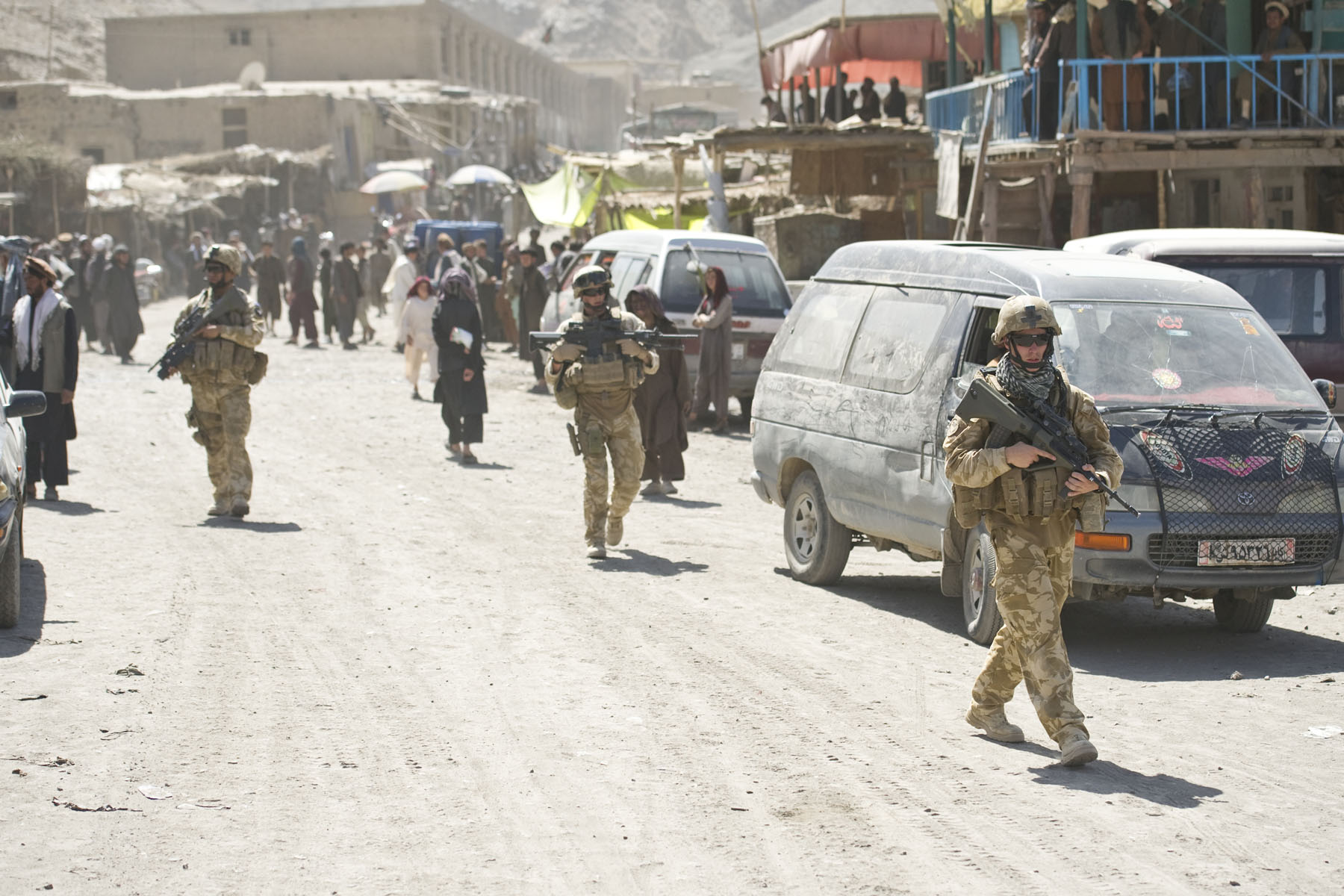
The NATO invasion of Afghanistan began 25 years ago. The Taliban – originally forced from power by NATO – regained power across the country a good five years ago. The renewed rise to power of the Islamic fundamentalist movement in the country coincided so directly with NATO's troop withdrawal that it inevitably became obvious how much the “democratic” government in Afghanistan had remained completely dependent on the occupiers militarily, politically and economically until the end.
In fact: After the horror of the West's humiliation in the Hindu Kush had subsided and the crocodile tears over all the Afghans who were left alone with the Taliban had dried up, the reporting became quieter. In fact, since the second half of 2021, the country has been permanently in a state of famine that is becoming more or less acute. Last year, the number of people who would be dependent on humanitarian aid in order to be able to eat adequately varied between 10 and 20 million - i.e. around one to two fifths of the Afghan population.
At first glance, it seems that the country fell into such a severe economic crisis precisely because of the withdrawal of NATO troops or the Taliban government policy. But much more than that, the current situation exposes the lies that the NATO states, especially Germany, have spread for decades about their own deployment in Afghanistan.
In 2021, the Taliban themselves were able to cite factors beyond their control when justifying the disastrous food situation and abject poverty in the country. These included the Corona crisis and the grain prices that were driven up by speculation at the time, a severe drought, the assets of the Afghan state frozen by the USA and, to date, the gradual reduction in humanitarian aid over the last five years.
The lie about economic development
The NATO states, on the other hand, would have to ask themselves whether they have actually succeeded in strengthening the country economically and politically in 20 years of occupation so that it can stand on its own feet. At least that was always the stated claim. The reality after the hasty escape from the country suggests the opposite.
Not only were the Afghan governments nothing more than an appendage of NATO politically and militarily, but the country was also economically heavily dependent on loans, investments and humanitarian aid from these same countries. And consequently, the country's economic output fell by around a quarter after the end of the war.
It is part of the distinctive cynicism of modern imperialist politics to alleviate the direst suffering of the starving population as long as it serves concrete political goals and interests. For example, to prevent people's desperation against the occupation regime from escaping.
The actual objectives of the NATO mission were to station troops at a strategic point in the Middle East. And at the same time, to make this Western military presence as profitable as possible for domestic companies. For this purpose, alignment meetings were held again and again on Petersberg in Bonn in the 2000s to negotiate the basic legal principles of the “new Afghanistan”.
The result was a legal framework that provided for almost no customs barriers and very low taxes on corporate profits and allowed foreign corporations to invest capital in the country without restrictions and to withdraw the profits they generated. And that left its mark. The NATO mission in Afghanistan was never about real independence and economic self-sufficiency for the country.
This text appeared in the October 2026 print edition no. 115 of our newspaper. The edition is in its entiretyhereto find.
The post25 years of the Afghan War: Sobering assessment of the occupationappeared firstperspective.
Read the full story at the source
Source: Perspektive Online