
Germany · taz · · 1h
Plane crash: No compensation for Germanwings survivors
Deutsch (original) · Auto-translated to English
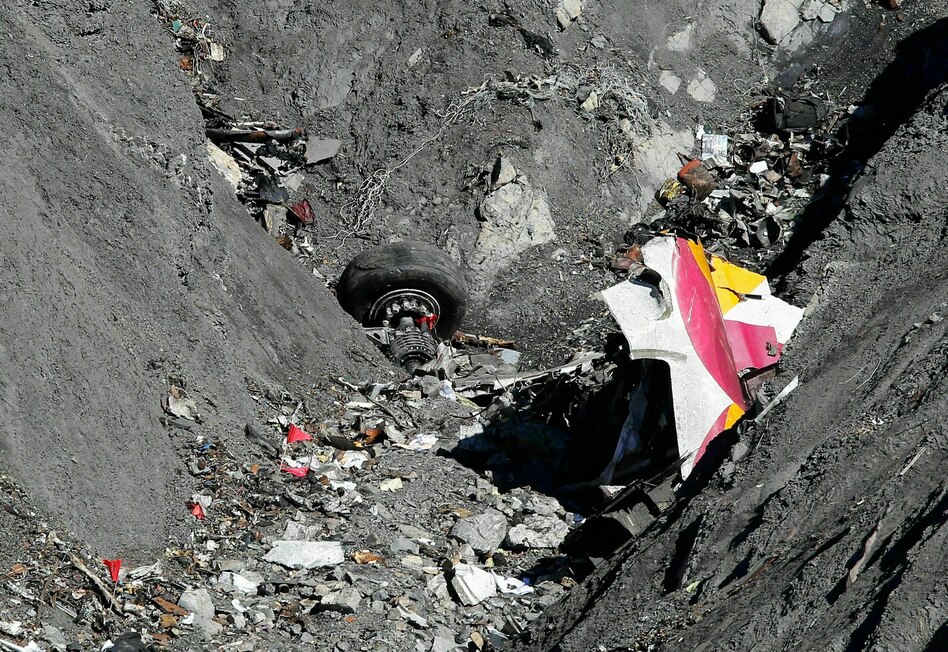
The crash of the Germanwings plane is considered one of the biggest disasters in German aviation history. On March 24, 2015, the co-pilot of flight 4U 9525 from Barcelona to Düsseldorf intentionally steered the Lufthansa subsidiary's Airbus A320 into the French Alps. He not only killed himself, but also all 149 other occupants: 144 passengers, the pilot and four crew members.
On Tuesday, the Braunschweig regional court dismissed a lawsuit for compensation for pain and suffering against the Federal Republic of Germany. The chamber explained that a claim based on official liability only exists if the surviving relatives have no other way of claiming compensation.
According to the court, there are equivalent claims against Germanwings GmbH. The judge also referred to the so-called Montreal Convention, which regulates the liability of airlines in international air traffic. The court's initial assessment has thus become reality: it had given the plaintiffs little hope of success when the trial began because the state might not be the right defendant.
In recent years, however, relatives have failed with claims for damages against Lufthansa as the parent company. Several courts declared that it was not Lufthansa but the Federal Aviation Office that was responsible for assessing the co-pilot's fitness to fly and that the federal government was therefore the right defendant.
The 30 plaintiffs had sued the Federal Republic, represented by the Federal Aviation Office based in Braunschweig, for additional compensation of between 500 and 110,000 euros. Their accusation: The Federal Aviation Office did not adequately monitor the co-pilot's fitness to fly in advance. From the plaintiffs' point of view, the aeromedical reports were not far-reaching enough with regard to possible mental illnesses. Investigations following the disaster revealed that the co-pilot was seriously mentally ill. When searching his apartment, the investigators found relevant medication, doctor's notes and sick notes - but he had not presented an existing certificate that included the day of the crash to his employer. And so on the day of the incident he sat in the cockpit of the plane as co-pilot.
The plane left Barcelona airport at 10:01 a.m. and was scheduled to land in Düsseldorf at 11:55 a.m. However, at around 10:41 a.m. it crashed in the French Alps near the village of Barcelonnette in the Alpes-de-Haute-Provence department. It was only after days that the helpers found the flight data recorder in the rubble, after evaluating which it became clear that the Airbus had been deliberately piloted into the Alps. Accordingly, the pilot is said to have left the cockpit around 11:30 to go to the toilet. The co-pilot then locked the door and initiated the descent.
The decision of the Braunschweig Regional Court can be appealed within one month. Lawyer Julius Reiter, who represents the surviving relatives, then announced that the decision of the Braunschweig Regional Court would be examined by the Higher Regional Court.
The goal of the relatives remains unchanged: The primary concern is not who will pay compensation, but rather about clarifying state responsibility. "An airline can pay compensation. But it cannot answer whether the state fitness test and state supervision worked. These are two different questions," says Reiter. Could the Germanwings disaster have been prevented? This question deserves judicial review.
Read the full story at the source
Source: taz