
World · Left Voice · · 50m
The Controversy Around Detroit’s Mayor Sheffield Is Deeper Than You Think
English (original) · Read in Deutsch ⇄
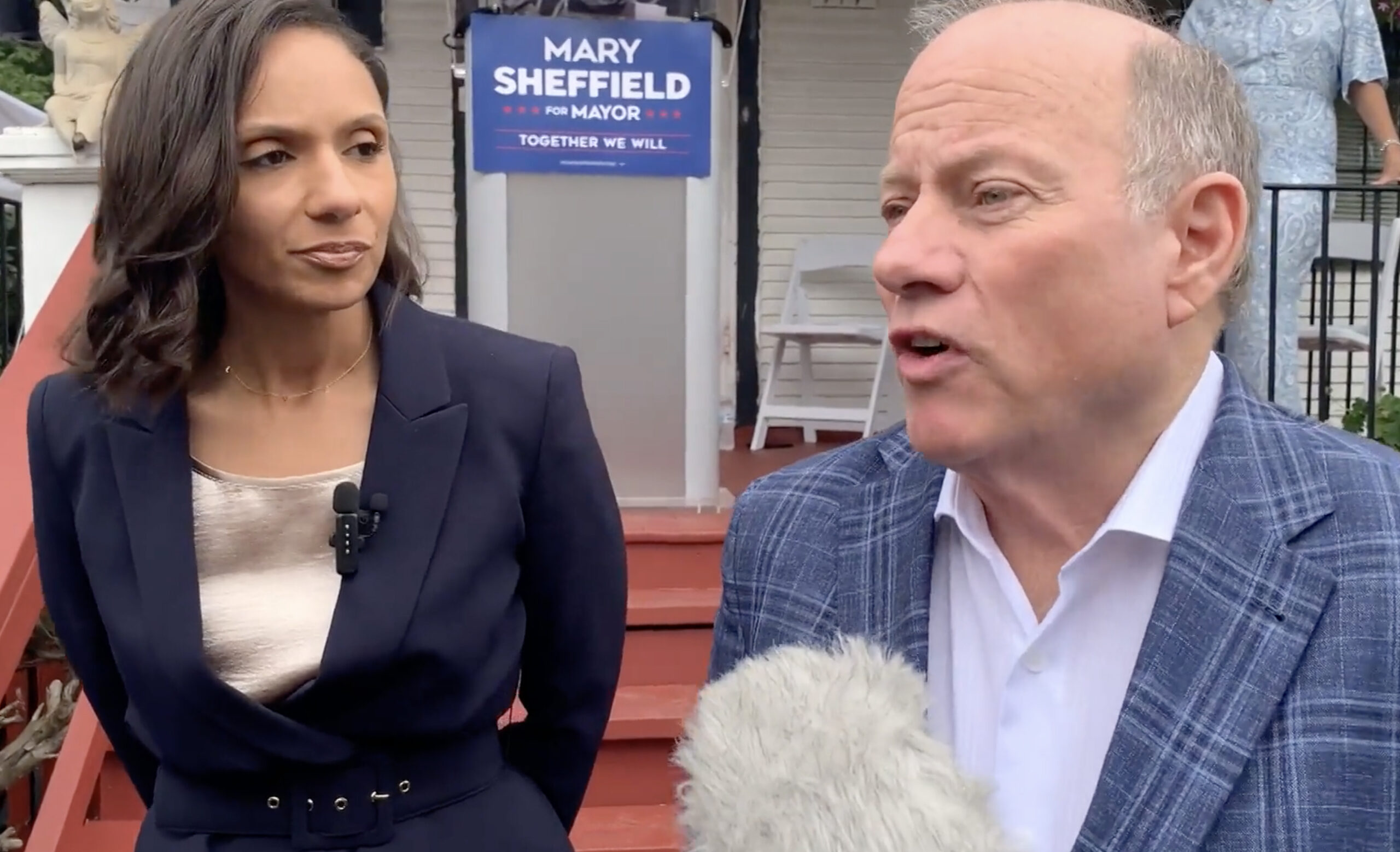
Over the last month, an old controversy has resurfaced with new intensity for Detroit Mayor Mary Sheffield. When she was president of Detroit City Council, Sheffield failed to recuse herself on a contract vote involving the company of Brian McKinney, her boyfriend at the time. As if that wasn’t bad enough, McKinney’s work was suspended by Detroit’s Office of the Inspector General after they discovered that his company was using contaminated dirt to fill in holes left in the ground after residential homes were demolished.
At the time the news story first broke, Sheffield said she was not told she needed to recuse herself. Leaving that dubious answer aside, the real issue is the “blight removal” program that McKinney’s company was part of. This plan was carried out by Mayor Mike Duggan, the previous mayor of Detroit who was in office for ten years. The program was started by Mayor Duggan and used Hardest Hit Funds that had been slated to help homeowners with underwater mortgages. Detroit was one of the cities hit hardest by the 2008 financial crisis and saw tens of thousands of homes foreclosed during the “Great Recession.”
Instead of helping keep more working-class and middle-class Detroiters in their homes, the Duggan administration sought to stabilize the housing market by demolishing the thousands of homes left vacant by the foreclosures. The result was a “revitalization plan” built off of unequal investment and the mass displacement of residents. Since the implementation of this blight program, it has been revealed that Detroit and Wayne County illegally foreclosed on thousands of homes and overtaxed Detroit homeowners to the tune of $600 million.
In other words, Mayor Sheffield’s ex-boyfriend was bidding on a contract to do work created by a demolishing program built on the mass displacement of Black working-and middle class Detroiters.While this massive blight program was taking place, the Duggan administration and city council gave millions of dollars of tax abatements to speculative developers building “affordable” housing that was essentially market-rate housing for low-income Detroiters.
Sheffield’s track record on fighting against gentrification is mixed. While she helped champion the research exposing the overtaxation of Detroit homeowners, and fought for policies aimed at bringing accountability to developers through her support of the Community Benefits Ordinance, she has time and again supported tax abatements enabling speculative developers. She has also refused to support calls for a moratorium on tax abatements. In other words, she has failed to wage a consistent fight against the corporate driven plan of redevelopment. In fact, she ran a campaign for mayor that sought to continue the neoliberal agenda of the previous mayoral administration.
Unfortunately, the U.S. economic situation brings tough challenges to the upcoming city budget, too. With no more COVID relief funds coming to Detroit, the city is facing budget cuts to social services those funds had supported. It seems as if Mayor Sheffield was hoping to have a very quiet honeymoon to help her ease tensions as she proposed cuts to the budget. However, her resurfaced city contract votes have brought Sheffield’s administration and leadership under scrutiny earlier than she would have liked.
There are many people in Detroit who are worried that Mary Sheffield, Detroit’s first Black female mayor, is being unfairly targeted. Community leaders like Sam Riddle and figures like Eric Thomas point out Sheffield has faced a level of scrutiny that Mike Duggan never did, even though he was embroiled in all types of scandals, including awarding city contracts to a person he was having an extramarital affair with.
While these concerns are understandable, they cannot blind us to the fact that Sheffield’s administration doesn’t actually represent a real breakthrough for the majority of Detroit’s residents, who are Black. It is not a qualitative shift from the previous one (ask the Detroit Tenants Union or the residents of The Leland about this, or the thousands of residents demanding more funding for home repairs). Nor is she putting forward a plan to confront the racist power structures that target the city. Not only has she failed to bring more transparency to the Detroit police, but she has also refused to condemn her Chief of Police for harassing and illegally seizing the phone of an activist who was criticizing Sheffield and posting old public photos of her and McKinney.
Worse, Sheffield has allowed the overpolicing of Black youth to increase, culminating in the unnecessary shooting of Black teenager Alonzo Lee-Perkins. Police chased Lee-Perkins and shot him in the back for the crime of simply being next to a person that police believed had a gun. That man, it should be added, was doing nothing illegal when police approached him.
If we want to see progress in Detroit, we need Black leaders who are not trying to wheel and deal with developers, capitalists, and political parties that have been openly hostile and neglectful to our issues or struggles. We need leaders who are willing to mobilize the social power of Detroit to confront the federal and state legislatures who refuse to treat Detroit fairly, and the capitalists who make us and the rest of the working class and middle class pay for their economic shortfalls and social crisis their actions create. Instead of simply relying on surveys, we need leaders who are prepared to organize community meetings where the people get to debate and vote on what should be prioritized, and how we are going to mobilize to fight for the type of Detroit that we really need.
Read the full story at the source
Source: Left Voice