
World · Jacobin · · 1h
Writing Puff Pieces While the World Burns
English (original) · Read in Deutsch ⇄
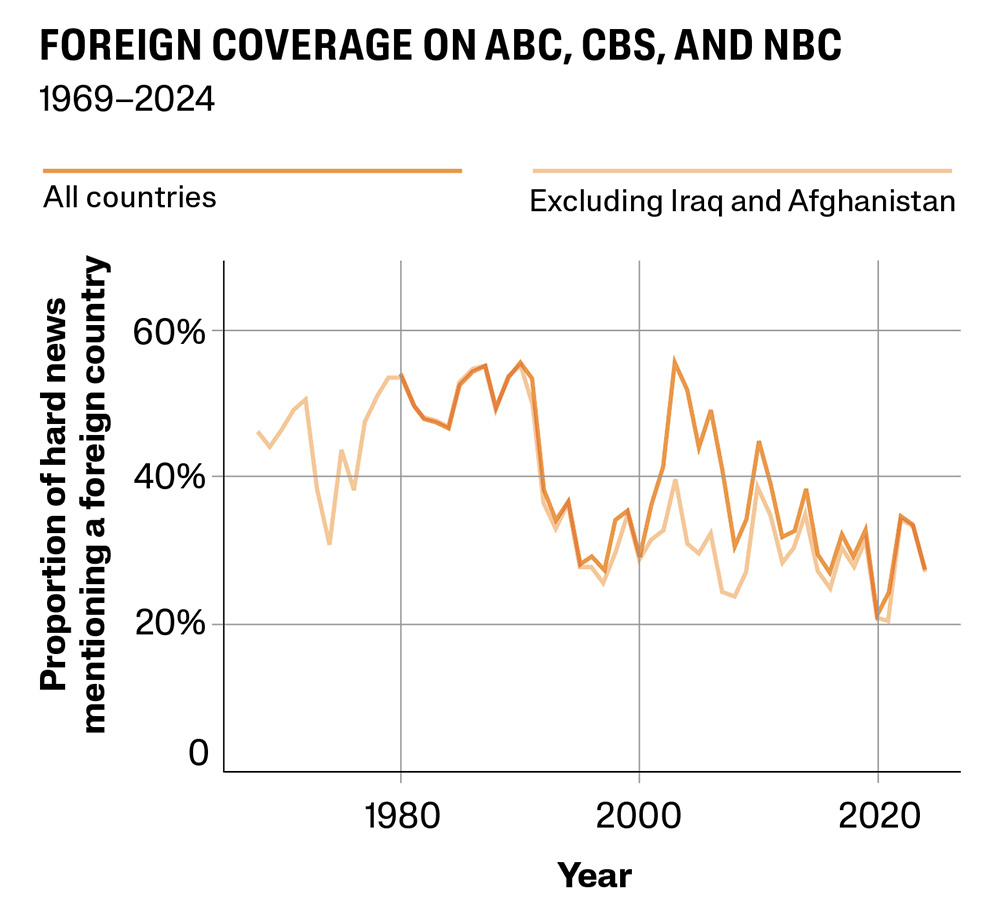
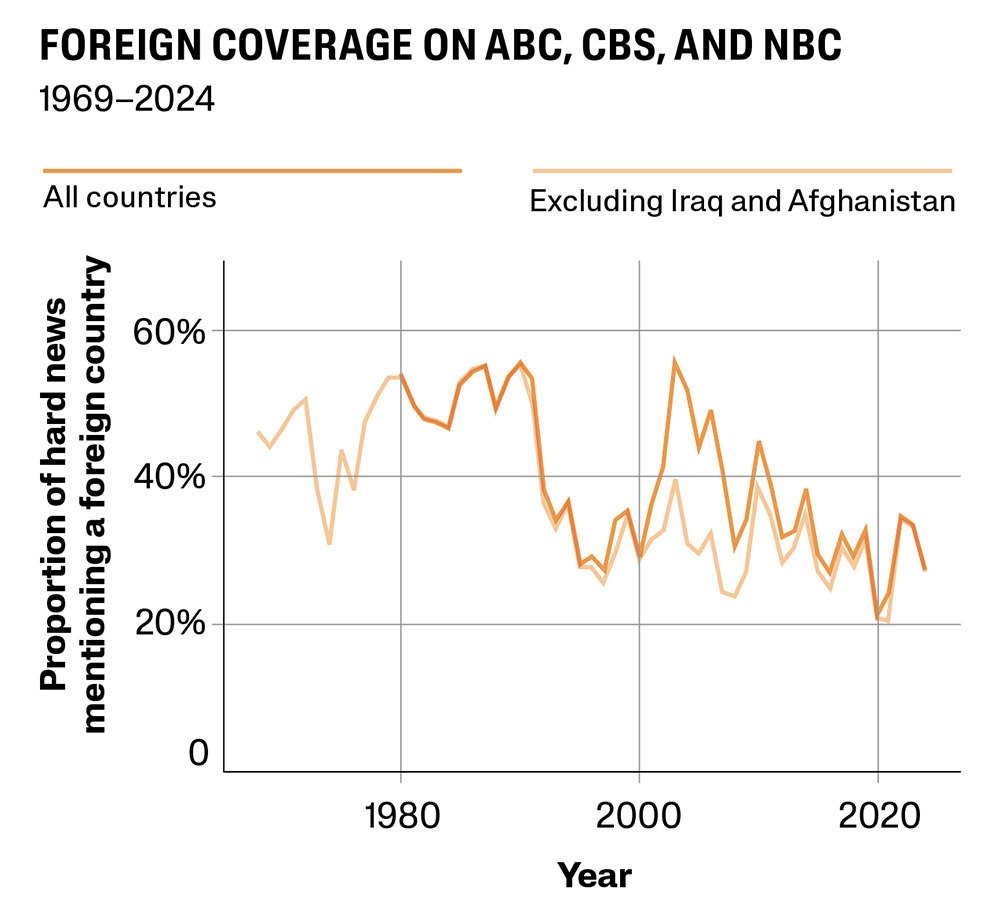
In 1983, with its eight foreign bureaus, The Baltimore Sun could brag that “The Sun Never Sets on the World.” This was the golden age of US international journalism, when even regional newspapers had numerous overseas offices: reporters from the Chicago Tribune could be found in places as far-flung as Mexico City, Moscow, Baghdad, and Buenos Aires. Since the end of the Cold War and the rise of the internet, however, the profession of the foreign correspondent has been in ever-steeper decline.
Between 1998 and 2011, 18 US newspapers and two chains shuttered every single one of their overseas bureaus, leaving all but the largest outlets increasingly dependent on wire services and freelancers for their international coverage. Early this year, the cutbacks reached the top of the industry. At the behest of Amazon founder Jeff Bezos, The Washington Post laid off most of its international desk and closed 9 of its 21 foreign bureaus — including offices in eminently newsworthy cities such as Jerusalem and Kyiv. The major broadcast news networks are following suit.
Foreign correspondents have long been criticized as agents of imperialism who mostly report the views of Western officials and drink at the press club. This stereotype may fit at times, yet it would be easier to cheer the death of the foreign correspondent if it did not accompany a broad, secular decrease in the column inches and airtime that newspapers and TV networks devote to international stories. China’s commitment to overseas coverage suggests that the practice hasn’t simply been rendered obsolete by the availability of local freelancers and the spread of online citizen journalism. The major Chinese outlets have been given between $2 and $9 billion to build international networks in recent years, and China’s state news agency has 27 bureaus in sub-Saharan Africa alone.
Read the full story at the source →
Source: Jacobin