
World · Unicorn Riot · · 3h
South African Graffiti Artists Reflect on Past Present and Future
English (original) · Read in Deutsch ⇄
Durban, South Africa — “In the early days we were painting on two-by-one Masonite boards,” said Iain Robertson, a Durban-based graffiti artist who goes by the name Ewok. “That’s how we would do exhibitions as graffiti artists … we’d built our own walls. And this meant that we had to work within quite tight parameters.”
For many years, this was the environment South African graffiti artists had to work under, much of this owing to the generally negative attitudes surrounding graffiti art since its inception in the 1960s. Fast forward to 2026 and societal perceptions around graffiti art have drastically shifted as high-profile art studios and even billion dollar companies have steadily embraced the art form.
South African Graffiti Artist Unveils Anti-Consumerist Mural in Durban
Long gone are the days when graffiti artists were largely viewed as parasites and blights to society. To the contrary, many of those same once ostracized artists have now become revered as cultural icons. Any one living in a major city merely need step outside their door to see the evidence for themselves.
There is no urban environment in the world where graffiti has not made it’s mark. Even in places like Durban — an area mostly known for being the birthplace of Shaka Zulu — there exists a thriving and unique graffiti art community.
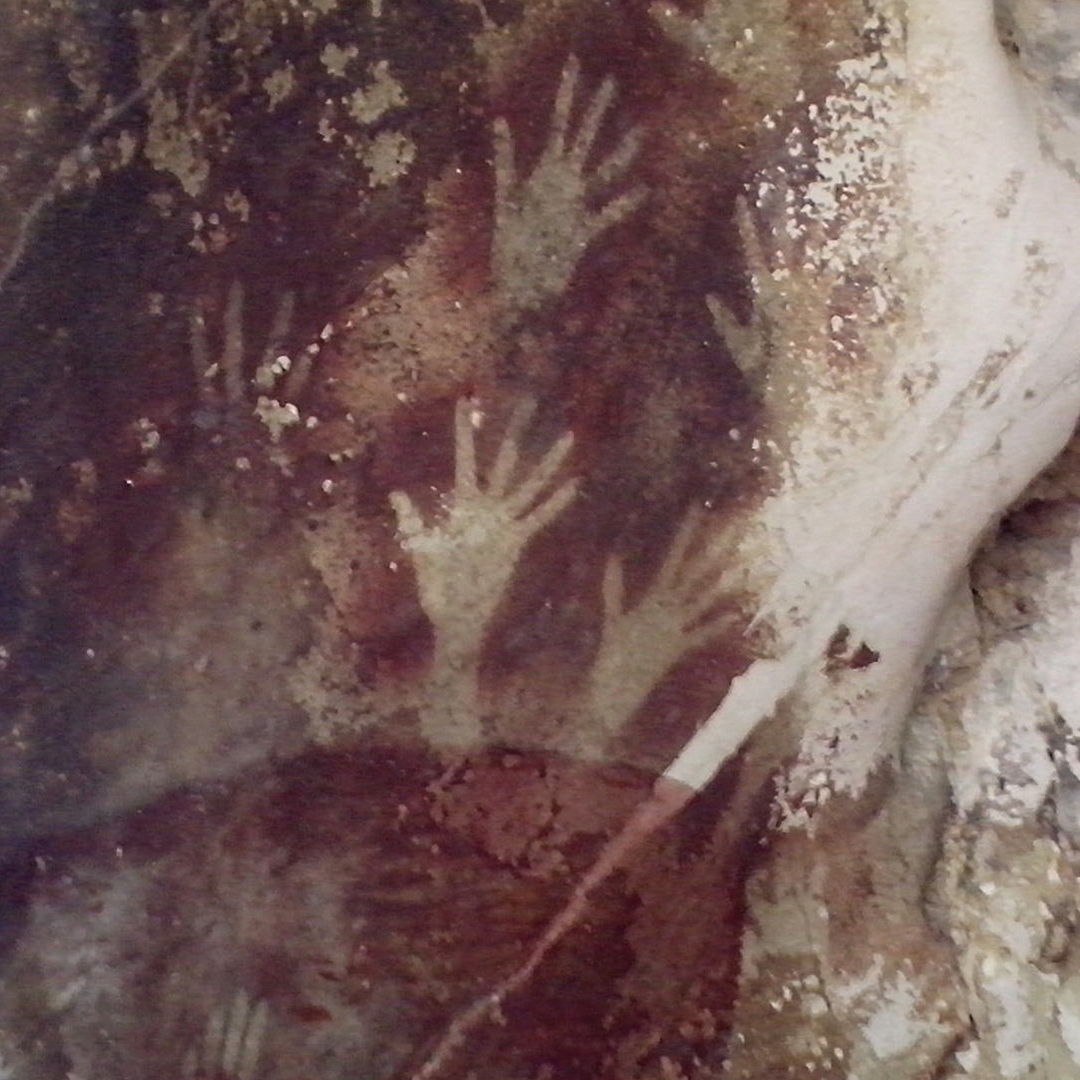
The word ‘graffiti’ originates from the Greek word; “graphein,”which means “to write.” The earliest known examples of said art dates back to the stone age illustrated on cave walls in Sulawesi Island, Indonesia. Other well know examples include Aboriginal cave art in current day Australia, as well as the San rock paintings of southern Africa.
The history of graffiti art in modern times, however, can be traced back to the rise of the hip-hop movement in the late 1960s, with American artists TAKI 183 and Cornbread being widely recognized as some of the earliest pioneers.
While most people treat hip-hop as just another word for rap music, in reality rap is just one of the four essential elements of hip-hop culture, the others being breakdancing DJing, and graffiti. Some graffiti legends have rejected this association, countering with the fact that the practice of drawing on walls long predates the advent of hip-hop and that the two cultures are entirely separate.
What can not be debated is that the alliances formed between various graffiti artists, rappers, DJs and breakdancers from the NYC area in the early 70s became the foundation of hip-hop culture. The subsequent boom in popularity of this culture quickly spread across the United States and to the rest of the world, propelling graffiti to international heights.
Cape Town was the first city from which hip-hop — and by extension graffiti — was introduced to South Africa. At that time the country was in the final stages of the racist authoritarian apartheid system which had dominated the government for over 50 years.
As well as being a tool for artistic expression, graffiti also became an outlet for young disenfranchised South Africans — in particular the ethnic minority Coloured population — to express their dissatisfaction with the ruling order. [note: the term ‘Coloured’ refers to a South African multiracial ethnic group primarily made up of mixed European and Indigenous African origin.]
From Cape Town, graffiti steadily made it’s way into the streets of Durban and Johannesburg in the early 90s. It was at this time that Durban-based artists like Tax, Rulez and Ewok began to pick up spray cans and spread their works all throughout the city.
When asked about the origins of graffiti in Durban, Ewok explained that it was essentially via a traveling circuit of Durbanite artists who were inspired by fellow artists in Cape Town and Johannesburg who in turn borrowed heavily from the graffiti scenes in the U.S. and the U.K.
“We traveled to Cape Town, and Johannesburg connecting with other artists there. We would find out what they were doing and we’d literally bring it back here. There was also, at that time, after apartheid, the ‘great White exodus.’ So a lot of young kids were leaving the country ending up in places like the UK. And then … a lot of people started coming back, bringing UK and European hip hop culture with them. Then around the mid 2000s we had our first graffiti stores open up on the shelf and as soon as the stores opened, then it was like, okay, we have a scene now.”
Many of South Africa’s most prominent street artists hail from relatively privileged white backgrounds. This is a common pattern found in most graffiti communities around the western world but it is especially notable to see this same pattern replicated in an African country containing a White population that is less than 10% of the total population.
Ewok is quick to counter that he thinks it’s “location specific … I don’t think you’d find the same thing as surely in the Cape. A lot of it was coming off the Cape Flats. So the original graffiti artists in South Africa were people of color.”
Still, he doesn’t shy away from the fact that White artists have traditionally dominated the scene with the caveat, “I think it’s completely different now. It’s way more accessible because of social media. But I definitely think that our economic privilege as White South Africans in the 90s and in 2000s gave us easier access.”
Though much of South Africa’s current graffiti art still reflect traditional bubble letter styles pioneered in NYC, there are a growing number of artists bucking this trend. Durban-based artist Giffy Duminy is one such artist who began his career doing standard graffiti letter form before transitioning to painting whole pieces showcasing the unique beauty of Durban’s natural environment.
“I really enjoyed painting letter forms for the first five, six years” said Giffy, “and I’ve always been really interested in nature. So I started challenging myself to paint things other than letters … I started painting birds and that led me to learn more about animals and that’s how my paintings became a form of nature study.”
Being an artist of any kind working in the streets in any urban city is an often dangerous proposition regardless of one’s racial or economic background. Said artists often have to be wary not just of the police but also common street criminals and even one’s own fellow artists. This is especially true in a place like Durban where trigger happy cops and robbers run rampant. Though Giffy’s days as a street tagger are well behind him — he’s now an above-ground artist doing commissioned works — he still remains vigilant when painting in public.
“I remember one time this car guard got super aggressive with me because I didn’t pay him to watch my car. Apparently this dude had just got out of prison for murder, and he was known for threatening people who refused to pay him on certain blocks he claimed to be under his protection. You really do have to be street smart around here.”
Despite the explicit risk of arrest, robbery or worse, many continue to brave the elements merely for the passion of the art and or the sake of “getting up” – a colloquial term for getting one’s name out in the streets.
When asked about the future of the scene in South Africa and whether graffiti should be legalized, Giffy said:
“I think there should be more designated spaces for artists to practice their craft. But I think it will always remain illegal because if you were to make it legal, where do you draw the line between what is and what is not allowed? I don’t want my car to have some other dudes’ tag on it so I don’t think it should be legal.”
Ewok agrees that graffiti should not be legalized but for slightly different reasons. “I don’t want to see graffiti legalized,” said Ewok, “because I think it serves an incredibly important political function. I think it keeps society free, to see a world that is not just sanitized into oblivion … ultimately what I do want to see is expression decriminalized. I want to see expression decommodified and democratized.”
Giffy believes that having designated safe spaces where graffiti is allowed could have a positive impact on the growth and development of young artists.
“I transitioned from a kid doing tags to a full-time artist that has built his life around making art. I feel like if there’s more spaces to encourage those kids to nurture their artistic skills, it will be super beneficial for arts as a whole,” he said.
Cover image: Mural in downtown Durban depicting street artists from left; “Pastel Heart, KevSeven, Sakhile Mhlongo, Ewok. Dane Stops [source: Dane Stops]
Follow us on X (aka Twitter), Facebook, YouTube, Vimeo, Instagram, Mastodon, Threads, BlueSky and Patreon.
Please consider a tax-deductible donation to help sustain our horizontally-organized, non-profit media organization:
Read the full story at the source
Source: Unicorn Riot