
World Tribune
Save Our Venues
More than 1,500 of London’s music venues risk closure. How do we protect cultural third spaces?
English (original) ·Read in Deutsch ⇄
There is something almost laughably incongruous about the interior of Buzz Bingo in Tooting in South London. Designed by Russian theatre director Theodore Komisarjevsky, this imposing Baroque building was once a music venue called the Granada. Today it is crammed with blinking slot machines: Bullseye; Wish Upon a Jackpot; Bigger Prizes; More Games. Nestled between vape shops and fast-food chains, the games hall is made up of ornately carvings and gilded columns. ‘Miss the Tower of London if you have to,’ Ian Nairn once said of the space, ‘but don’t miss this.’
A recently installed blue plaque on the facade commemorates the venue’s rich history, as one of the many interwar cinemas that later hosted music shows. In 1953, Frank Sinatra played there to mark the opening date of his first ever UK tour; The Rolling Stones performed there, too, along with Little Richard, The Ronettes, Jimi Hendrix and The Beatles. It closed its doors in November 1973.
The blue plaque was awarded at the same time as Art on the Underground unveiled a new sound installation by Ain Bailey, paying tribute to the shuttered night clubs and cultural spaces of the artist’s memory, as well as the opening of a new display at the V&A called Lost Music Venues, which guides its visitors through a series of mock-ups representing the ticket booths, cloakrooms, backstage and graffiti-strewn toilets of a typical gig space, taking in posters, Access All Areas passes, scribbled set lists, event photos and other memorabilia along the way.
According to Harriet Reed, curator of the V&A display, music halls like the Granada ‘weren’t really fit for purpose’. Venues such as the Rainbow Theatre and the Apollo in Glasgow — represented in the galleries by a snapshot of a very corduroy-heavy staff party in the 1970s, a ticket stub for a 1979 concert by The Who, and an old flyer for a Siouxsie and the Banshees gig — were ultimately forced to shut down as management struggled to comply with the raft of new health and safety laws introduced in the late 1970s and early 1980s. Many of those regulations, Reed emphasises, were brought in ‘for good reasons’ — but the change marked a pivotal point in the history of live music in the UK.
Today, more than 1,500 of London’s music venues are at risk of closure, according to a register supported by the Mayor’s office. Bailey’s Maybe It’s Because I’m a Londoner, on display this summer at Waterloo station, played homage to seventy-two recently closed cultural spaces in the capital. The original six-and-a-half-minute audio piece features experimental vocalist Elaine Mitchener singing a warped and woozy rendition of Hubert Gregg’s WWII-era song of that name and reading out a list of the lost venues, played through a battery of discreet loudspeakers flanking the moving walkway between the Northern and Jubilee lines.
Many of these bygone venues belong to what Reed describes as a second wave of closures following the financial crisis and the pandemic, events that accelerated broader changes in consumer habits and land use. Even Bailey, who names several record shops in her work (Selectadisc, Mole Jazz, Rat Records and so on), says she now buys most of her records online, while music spaces remain at the mercy of landlords, local councils, and often their own neighbours. When I ask Bailey why Soho’s Candy Bar closed in 2014, she says that ‘somebody moved upstairs, somebody complained’. The venue, she tells me, is now a hair salon.
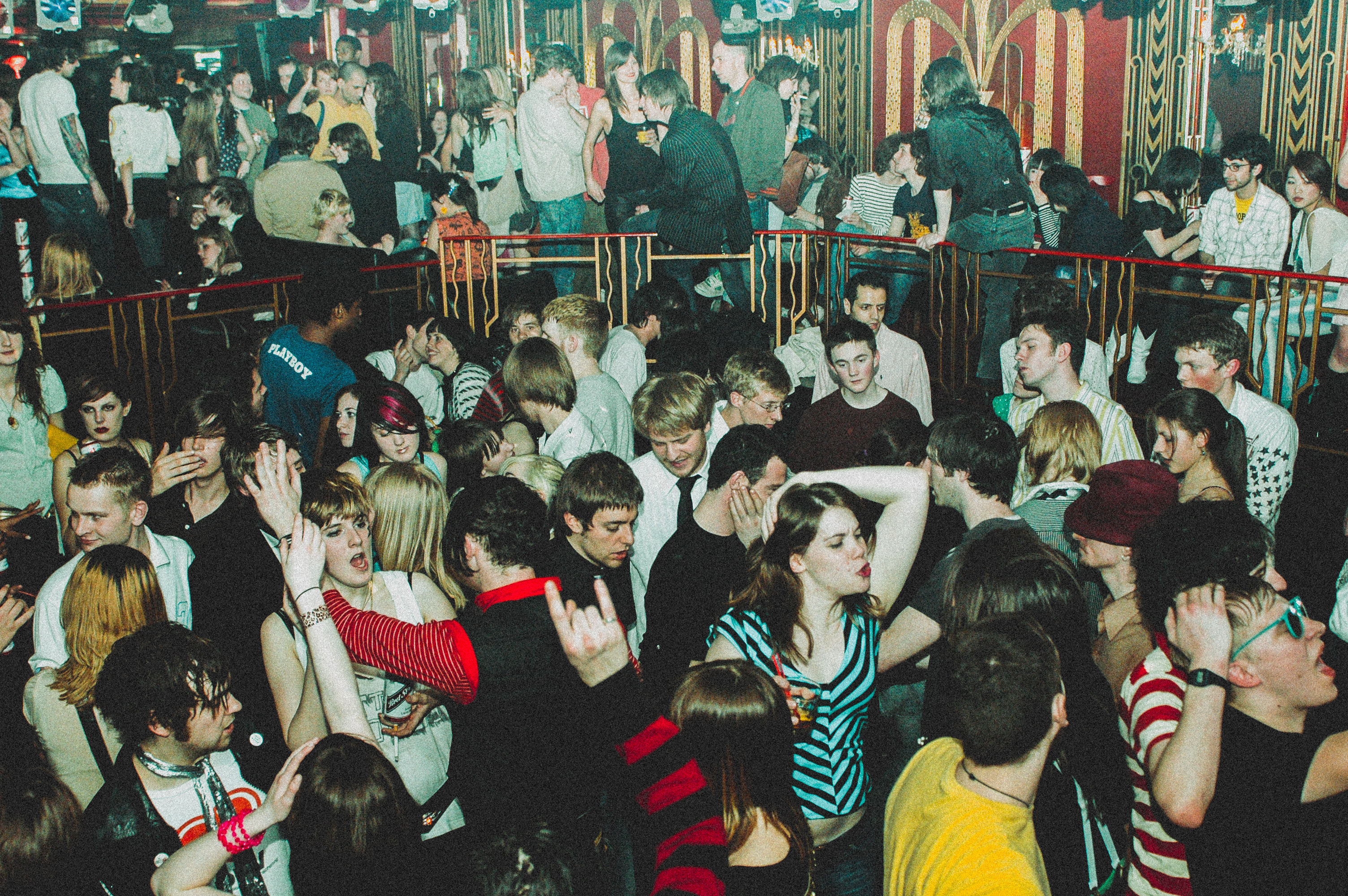
Maybe It’s Because I’m a Londoner and Lost Music Venues stress the political role that places like Candy Bar have played. Candy Bar and the Black Lesbian and Gay Centre both feature in the list read by Mitchener in the work. ‘They were safe havens,’ Mitchener says, ‘for people who had been ostracised by society but could come together.’ Turnmills in Clerkenwell (housed in a former warehouse) and Madame Jojo’s in Soho (previously an adult cinema) — both seen in rather sweaty-looking photos on the walls of the V&A exhibition — were seen as grotty, even a little sleazy; but they were part of the reason I and many of my friends first came to London. They made the city seem exciting, exhilarating, sexy.
Bailey and Mitchener lay most of the blame with investors and their lust for ‘profit’ over ‘value’. How to protect the venues that remain? In part, by remembering the sites we have lost. There’s a haunting quality to Maybe It’s Because I’m a Londoner, but both artists insist to me that this is not a work of mourning; it is a ‘homage’. ‘Every place on that list had its own identity,’ Bailey says. The Granada was once a thriving third space where young women in particular gathered to dance and sing. Its degeneration into a gambling den reminds us that this city can be drastically remade — and that no site of solidarity can be taken for granted.