
World · Tribune · · 57m
Burnham Must Not Repeat the Tories’ Disastrous Housing Policies
English (original) · Read in Deutsch ⇄
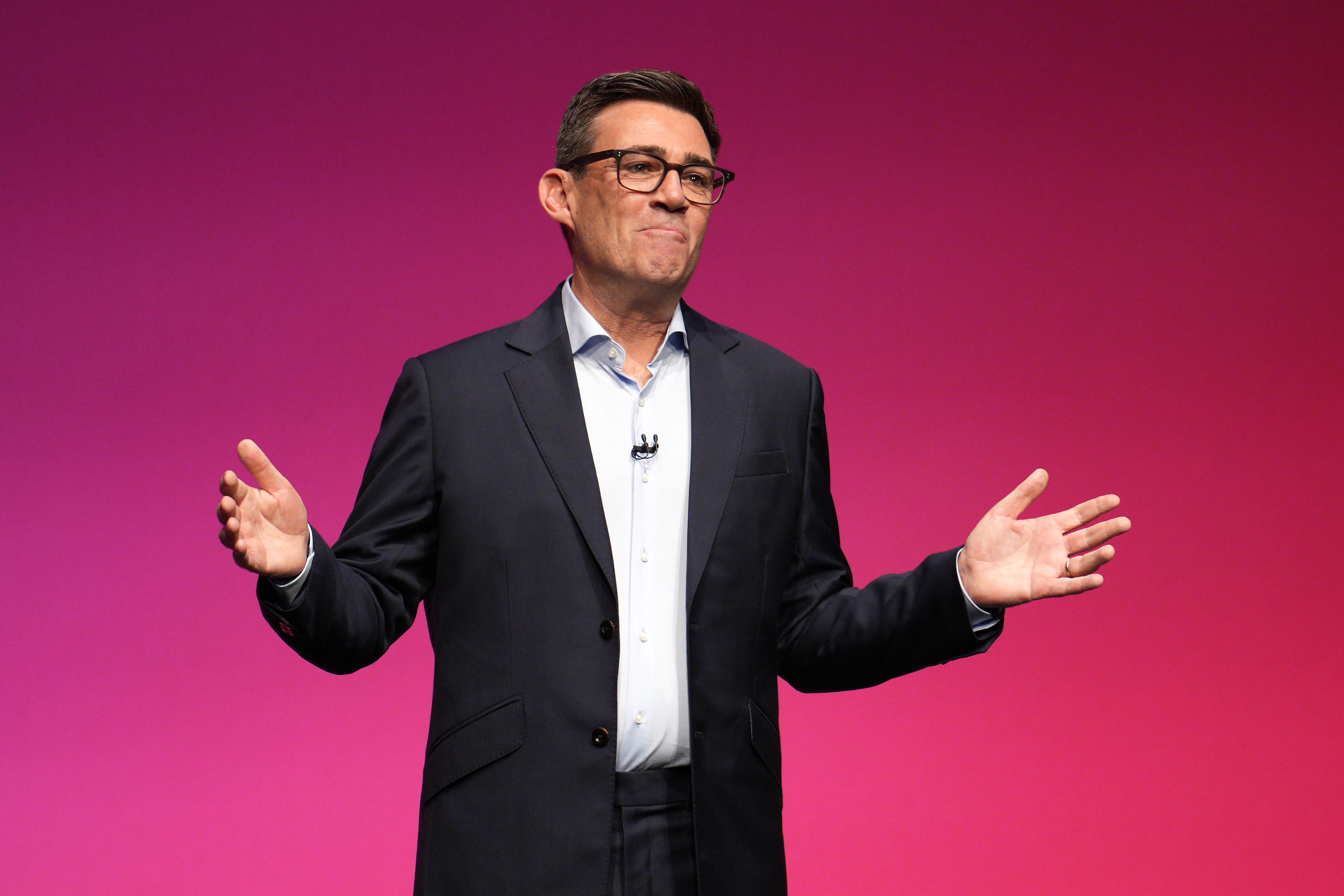
For all Andy Burnham’s talk of change and promises of a new political direction, the big idea coming out of this year’s Labour Party conference looks distinctly familiar. The prime minister has announced plans to roll-out Your First Home, an initiative purportedly designed to offer a route towards home ownership for first-time buyers who would otherwise struggle to afford it; the scheme, however, is essentially a rebadged and slightly tweaked version of George Osborne’s controversial Help to Buy.
Under the programme, first-time buyers in England will be able to obtain a 20% government equity loan, initially interest-free, with a deposit as low as 2.5% of a new-build property’s price. There will, according to the Guardian, be household income, deposit and price caps in place to ensure that this support is only available to those who lack the luxury of funding from ‘the bank of mum and dad’.
Burnham says that Your First Home will provide these buyers with ‘the keys to their own front door, and give builders the confidence to deliver the high-quality new homes the country needs’. Yet, the original scheme — introduced by Osborne and the Tory-Lib Dem coalition government back in 2013 — might have been more truthfully named Bung to Housebuilders.
A 2017 analysis of Help to Buy conducted by Morgan Stanley found that prices of new-build homes outstripped those of older properties by 15% after the scheme was introduced, with much of that government subsidy being pocketed by builders through the higher prices they were able to charge. Unsurprisingly, shares in housebuilding firms surged following the announcement of Burnham’s new Your First Home policy.
More recent analysis, published by the UK government earlier this month, concluded that Help to Buy supported more than 300,000 purchases and that average house prices in England were only 2% higher than they would have been without it. Still, the report shows that the initiative primarily subsidised buyers who didn’t need it to purchase more expensive properties. Less than half of the scheme’s users said they could not have bought a property without it and ‘the increase in prices was larger in areas which were already less affordable before the Help to Buy scheme was introduced’.
The decision to revive Help to Buy now exposes Burnham’s economic approach. His government, faced with weak growth and with one eye potentially on an early general election, is reaching for the same demand-side lever that previous governments have repeatedly pulled: stimulating a house price boom and boosting consumption through increased consumer borrowing.
This is a familiar and well-rehearsed strategy, one we have already seen play itself out time and time again since the ‘Barber boom’ of the early 1970s: subsidise house buyers to increase transactions, boost housing construction and then hope that rising property values generate increased consumer confidence and household expenditure.
In other words, rather than developing an alternative growth model — one based on productive investment, regional and sectoral rebalancing, and increased public provision — Burnham is instead looking to the property market to provide the UK economy with a growth spurt. This sits awkwardly, to say the least, alongside his rhetoric about breaking with past economic orthodoxies.
The problem for Burnham is that the context has changed. Simply put, we are not in the zero interest-rate policy era anymore. With the Bank of England’s base rate currently standing at 3.75%, the economic picture is very different to that of the 2010s, when the original Help to Buy was first introduced. Ultra-low, near-zero interest rates are now a thing of the past.
Your First Home, with its 2.5% deposit requirement, will help would-be house buyers clear the first hurdle. But they will then be taking on a substantial mortgage with higher borrowing costs attached, even if the 20% equity loan is interest-free for a number of years. So, someone who could previously not afford to buy a home because they were unable to save up a sufficient deposit could do so through Your First Home, only to discover that servicing their mortgage from month to month is a much bigger problem than they had anticipated.
The fundamental issue is that housing remains extraordinarily expensive in relation to wages. The average UK home today costs seven times the median full-time annual salary, compared to three or four times in the 1980s. Your First Home risks repeating the same old mistake: subsidising people to buy housing at inflated prices, even if this serves to push prices even higher by stimulating demand, instead of making it genuinely affordable.
A government seriously committed to affordability would tackle the underlying causes of house price inflation; it would drastically expand the provision of council housing, curb land speculation and landlordism (including through rent controls) and treat housing as a basic social necessity, rather than boosting GDP off the back of rising prices. If Burnham really intended to strike at the root of the housing crisis, this would be a far better place to start.
Read the full story at the source
Source: Tribune