
Germany · taz · · 4h
Sugar tax is on hold: Chancellery whistles back at Klingbeil
Deutsch (original) · Auto-translated to English
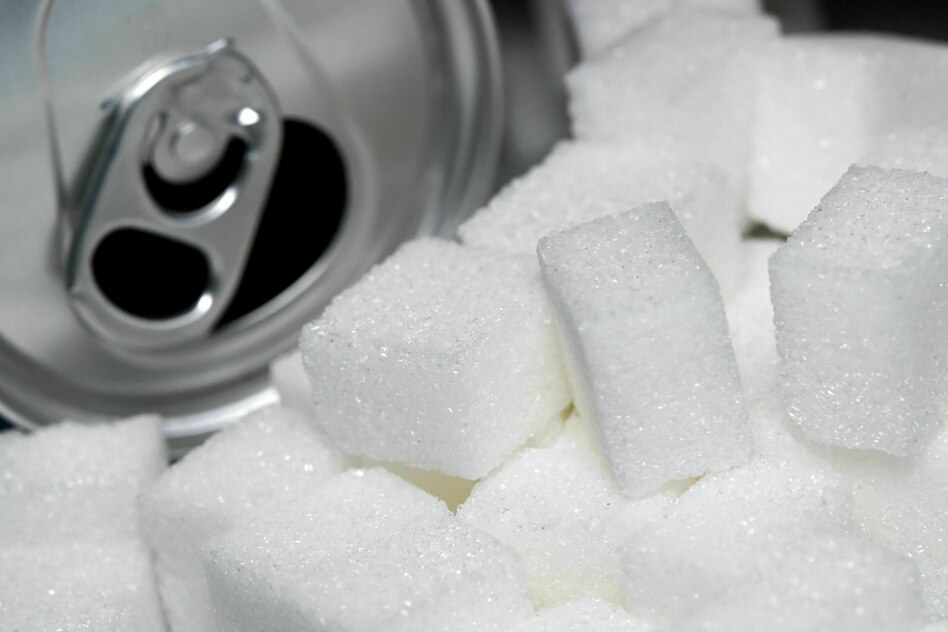
dpa/taz | Finance Minister Lars Klingbeil's sugar tax is on hold for the time being. The Chancellery has put a stop to the SPD Vice Chancellor's plans. The reason: Klingbeil is not sticking to the agreement. The Union faction should be happy about this - because the tax generally has few fans. But it is also an exceptionally clear rebuke from the Chancellor to the Vice Chancellor.
What exactly it's about: Originally, an expert committee appointed by the federal government recommended the new tax on sugary drinks. The leaders of the black-red coalition have jointly agreed to implement this. The main goal is not additional revenue for the leaky federal budget, but rather incentives for beverage manufacturers to reduce the sugar content of their products and thus make them healthier.
Klingbeil has now presented a draft according to which the tax should apply from July 1, 2027 on all drinks that have a sugar content of at least 5 grams per 100 milliliters. Compared to the initial considerations of officials at the Ministry of Finance, this has already been significantly defused: Contrary to what was initially considered, no sugar tax should apply to zero drinks that are sweetened with substitutes. Pure fruit and vegetable juices, non-alcoholic beer and non-alcoholic wine are also exempt.
The amount of the tax should depend on the sugar content and amount to between 26 and 38 cents per liter in three stages. The Ministry of Finance expects annual revenues of around one billion euros. Specifically: 945 million euros in the coming year, then 1.155 billion euros in the second year. By 2031, revenue is expected to rise to 1.18 billion euros.
Klingbeil submitted his draft to the vote among the ministries, after which it should be approved by the cabinet. But that won't happen for now. The government headquarters of Chancellor Friedrich Merz (CDU) stopped the plans for the time being. According to government circles, Klingbeil is not adhering to the Health Finance Commission's proposal, which the government actually wanted to use as a model. Klingbeil's draft is therefore “not capable of gaining a majority in the government in this form”.
In fact, the Finance Ministry's draft differs in details from the Commission's proposal. This recommended the introduction of a tax on sugar-sweetened drinks based on sugar content - but with different tax rates. If the sugar content is 5 to 8 grams per 100 milliliters, 26 cents per liter should be charged; if the sugar content is more than 8 grams, then 32 cents per liter. The Ministry of Finance is now proposing three levels, with a maximum tax rate of 38 cents for drinks with 10 grams of sugar per 100 milliliters such as the classic Cola.
Due, among other things, to the different tax rates, the Commission also expects significantly less revenue, or more precisely: only 450 million instead of 1 billion euros per year.
The sugar tax is not yet politically dead - even if Prime Ministers of the Union and agricultural politicians in the Union parliamentary group generally reject it. Klingbeil can now make improvements and defuse his draft again. His ministry did not comment on the blockade. It was simply said that votes were being taken on how exactly the sugar tax would be implemented.
However, it is also doubtful whether a new draft would get through in the Bundestag: beet growers and the food industry are lobbying vehemently against it. According to reports, they have the Union's agricultural politicians on their side - and the coalition's majority is only a few votes anyway.
Hesse's Prime Minister Boris Rhein (CDU) recently warned of a burden on consumers: "At a time when many people are struggling with high prices, the state must not make food and drinks even more expensive."
It is extraordinary that a vice-chancellor is so publicly rebuffed at the highest level. The Chancellery has often blocked draft laws, but they usually keep this secret for as long as possible in order to negotiate compromises behind the scenes. Now the incident is immediately made public.
Luise Molling from the consumer protection organization Foodwatch says: “While the coalition argues, the sugar lobby is happy – and children’s health suffers.” The coalition has long since agreed to hold the manufacturers of sugary drinks responsible. The current draft law implements the proposal of the Health Finance Commission. “It would be a milestone in the fight against nutrition-related diseases,” says Molling.
60 percent of people in Germany are in favor of a soda tax - and Great Britain has been showing for years that a levy based on sugar content is effective. That's why the federal government must get it started quickly, demands Molling. “Anyone who blocks now is dancing to the tune of the sugar lobby.”
“Stopping the sugar tax is a fatal signal,” said Green Party politician Johannes Wagner, a doctor and member of the Bundestag’s health committee, on Thursday. Wagner believes that the official justification - the draft's deviation from the Commission's proposal - is only an excuse. "The real brakes are in the Union. This is fear of one's own responsibility, fear of the lobby, fear of making the right decision."
Wagner also points out that without the sugar tax, the federal budget would lack significant funds. "The Ministry of Finance had already budgeted 795 million euros for the first year after its introduction and 1.215 billion euros for the second year. I fear that this gap will ultimately be closed by further social cuts."
Read the full story at the source
Source: taz