
Germany · taz · · 45m
Housing shortage in Europe: EU Commission wants stricter rules for Airbnb
Deutsch (original) · Auto-translated to English
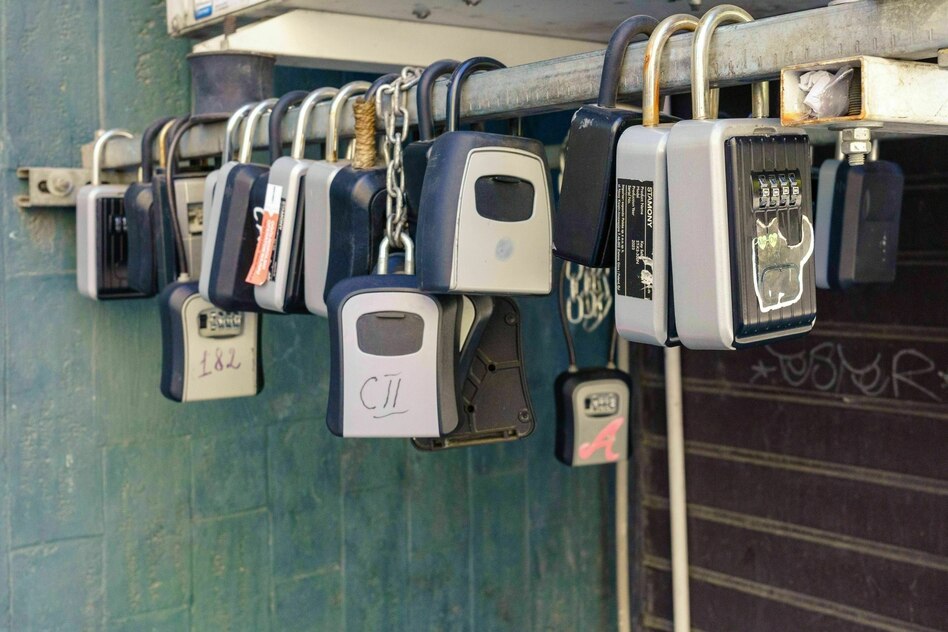
The EU Commission wants to help cities and municipalities combat the housing shortage. This should make it easier in the future to take action against short-term rentals via platforms such as Airbnb. The mayors also have the opportunity to measure “housing stress” – i.e. housing shortages. However, Brussels has yet to take concrete measures such as those demanded by the European Parliament.
Normally the EU is not responsible for house construction and rental markets. In view of the worsening housing shortage, Social Democrats and the Left had already called for Brussels to take action here in the 2024 European election campaign. Housing is a human right and the EU must do more to enforce it, the European Parliament stated in February this year.
The “Affordable Housing Act” that has now been presented falls far short of expectations. It consists of two parts: general recommendations and a legal framework that is intended to ensure more legal certainty in disputes with Airbnb and other providers. “This is an important step, so we can create more protection for the mayors,” said Commission Vice President Teresa Ribera.
So far, cities like Paris, Barcelona and Berlin have adopted different rules, which repeatedly leads to disputes. Now the EU wants to determine when intervention in the market is justified. To this end, she defines “housing stress”: It occurs when the average price of an apartment is at least eight times the average annual disposable income.
But Brussels doesn't want to dictate what needs to be done - that's up to the mayors to decide. “There is no magic bullet,” Ribera said. “Anyone who doesn’t do anything about the housing crisis will be punished in the next election,” added Dan Jørgensen, who is responsible for energy and housing in the Commission. The new EU law was not passed with a view to the election on September 20th in Berlin, Jørgensen added when asked by the taz.
Ribera and Jørgensen did not want to comment on the radical measures discussed in Berlin and other cities. “An apartment should not just be a commodity on the market,” said Jørgensen. According to him, rental prices in Berlin have risen by 59 percent in the last 10 years, in Madrid by 75 percent and in Lisbon by as much as 103 percent. “We have a crisis,” said Jørgensen.
However, the rules now proposed are unlikely to do much to change the situation, as even Commission officials admit. They do not create any new living space, are aimed primarily at short-term landlords and are also subject to restrictions. The mayors should only take action if there has been “housing stress” for 10 years and nothing will change in the next 3 years - which is hardly foreseeable.
Anyone who offers their own primary residence for rent from providers such as Airbnb is expressly excluded from the planned EU regulations. The EU Commission also emphasizes that it does not want to affect the right to a second home or holiday home in any way. Investors and property owners operating in multiple local markets would benefit from greater clarity, the agency said.
The draft law was received with skepticism in the European Parliament. “These measures do nothing to stop skyrocketing rents and real estate speculation,” said Rasmus Andresen from the Greens. The proposal is just “a drop in the ocean,” says Martin Schirdewan from the Left. In contrast, the draft for Markus Ferber goes too far. “Managing shortages instead of expanding supply – that is the wrong approach,” said the CSU politician.
The European Parliament must approve the law and can introduce changes beforehand. It may still be several months before it is passed - so the proposal does not help with the acute housing shortage.
Read the full story at the source →
Source: taz