
Germany · taz · · 1h
How people suffer from climate change: City dwellers feel heat stress at temperatures above 25 degrees
Deutsch (original) · Auto-translated to English
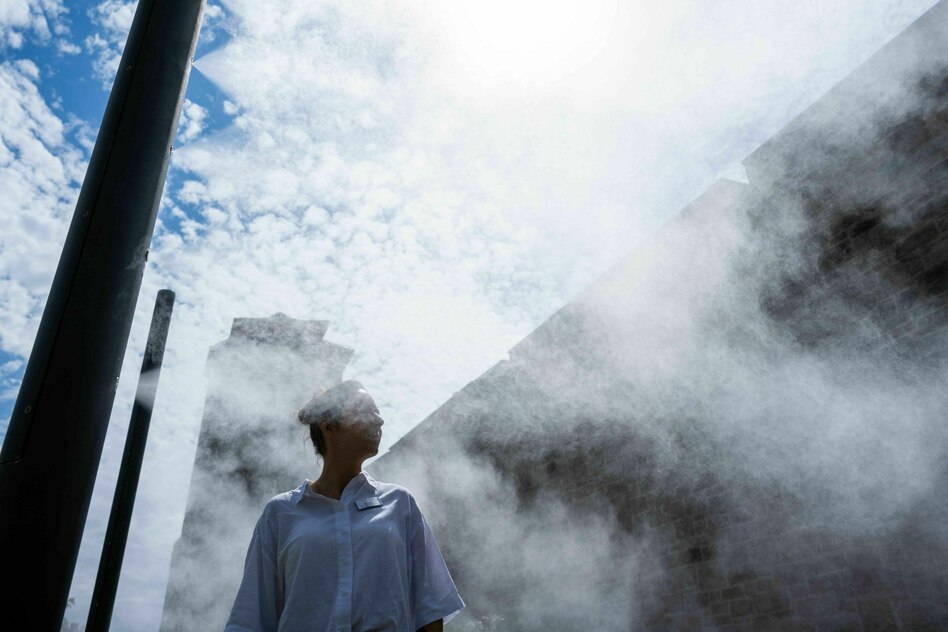
How do city dwellers experience climate change in summer? They sweat, are exhausted, cannot sleep at night, and feel uncomfortable under the gaze of others when they are lightly dressed. A study by the University of Würzburg, the German Aerospace Center (DLR) and the University of Brno in the Czech Republic shows how people suffer from urban heat.
The researchers identified a threshold above which people perceive the increasing heat caused by climate change as heat stress. “Once the air temperature exceeded 25 degrees, the number of heat-related posts from Mexico City on social media increased exponentially,” says lead author Richard Lemoine-Rodríguez. By linking climate, satellite and demographic data with a social medium, the researchers from the Geolingual Studies research area also found that more articles on the topic of heat were published from the hotter and more densely built-up parts of Mexico City.
The most common heat-related posts were about health problems and heat stress - specifically, a total of 2.1 million posts from 90,000 Twitter users (today "X") from 2022 in Mexico City were evaluated. Almost 9 percent of users tweeted about exhaustion, insomnia, physical discomfort and emotional distress from the heat.
Working conditions and clothing were also an important topic: 2.7 percent of tweets complained about poor cooling at work and reported, for example, that they were not allowed to wear shorts despite extreme heat. “In some cases they even demanded that work under such conditions should be stopped,” says Lemoine-Rodríguez.
Women in particular reported unwanted attention and harassment when they wore lighter clothing to cope with the high temperatures. 1.8 percent of tweets dealt with this topic. A strategy that was supposed to help them adapt to the heat turned into a stressful experience for them.
Many articles also dealt with heat stress in public transport (2.4 percent), for example due to delays, unpleasant journeys, poor ventilation or air conditioning. "Users also described situations in which they had to choose between two evils," says co-author Carolin Biewer: "Heat or air pollution. If they opened a window to cool down, they had to breathe in polluted air at the same time."
Options for cooling down such as air conditioning (2.5 percent) and the question of how birds, pets and other animals can be provided with sufficient water in hot weather (1.8 percent) were also discussed.
Despite the increasing stress, heat stress is increasing in almost all German cities. While temperatures reached record levels again this summer, conditions for city residents have worsened. In the past seven years, according to German Environmental Aid (DUH), 900,000 trees have disappeared from the 195 cities examined with more than 50,000 inhabitants in Germany.
The cities of Offenburg, Lahr and Mannheim performed particularly poorly in the DUH’s “heat check” in June. Kiel and Wuppertal were rated positively. The DUH demanded that the federal government implement the 3-30-300 rule: citizens should be able to see at least three trees from their home, live in an area with 30 percent tree canopy and the nearest green space should be no more than 300 meters away.
Read the full story at the source
Source: taz