
Germany · taz · · 47m
Misereor study: One in three people worldwide suffers from food poverty
Deutsch (original) · Auto-translated to English
epd | The number of people in the world affected by food poverty remains at a high level despite improvements in some areas, according to a study. As the Catholic development aid organization Misereor announced on Thursday in Aachen when presenting the study on the “World Food Poverty Gap 2026”, around 2.79 billion people would not be able to afford a healthy diet in 2025.
This is a decrease of around three percent compared to the previous year, said study author and development economist Jonas Stehl from the University of Göttingen. At the same time, the number still means that on average one in three people in the world suffers from food poverty.
According to the calculations, the global poverty gap last year corresponded to around 2.79 trillion US dollars, which was 1.3 percent of global economic output. Stehl emphasized that this amount is not enough to ensure that everyone in the world has a healthy diet.
“The world actually produces enough wealth, but billions remain excluded from it,” explained Misereor world food expert Lutz Depenbusch. The biggest improvement last year was in South Asia. This means that the region is leaving the setbacks from the Corona crisis behind it. In sub-Saharan Africa and the Middle East-North Africa, food poverty has also declined slightly after several years of deterioration. There are improvements in 28 of 44 countries in the Sub-Saharan region.
However, experts are still concerned about rising food prices. “The prices for a healthy diet rose by 46 percent between 2017 and 2025,” reported study author Stehl. In Germany, food prices rose by 44 percent during the period, and in Pakistan it was 169 percent. In the city of Karachi, for example, the price of rice tripled.
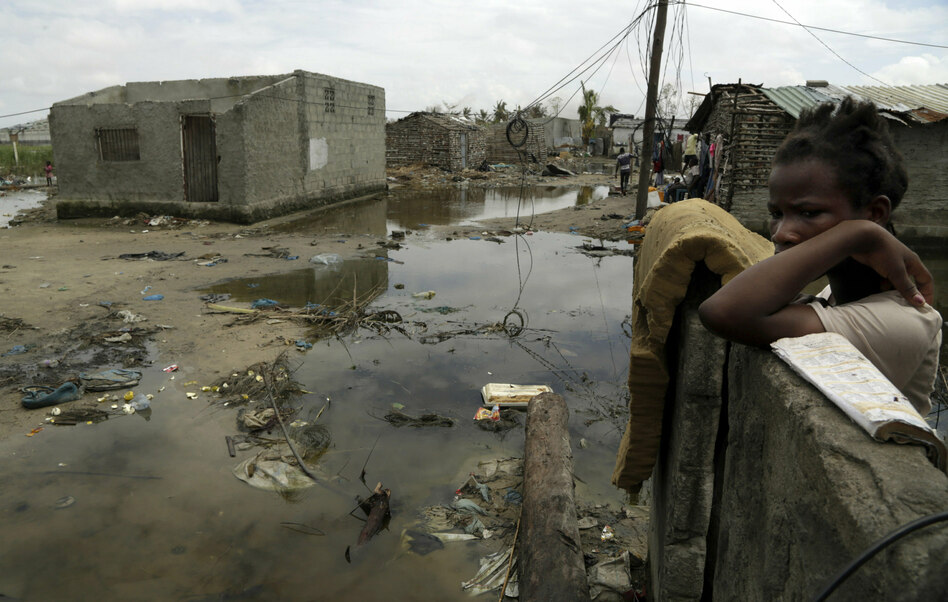
The east African country of Mozambique is particularly affected by the development of the poverty gap, where 92 percent of the people suffered from food poverty, said the scientist. Even in countries like Haiti or Syria there are many families who cannot afford a healthy diet.
According to Misereor expert Depenbusch, despite improvements, there is still no sign of a turnaround: “The global food situation is currently under enormous pressure due to the war in the Persian Gulf and the looming El Niño climate phenomenon.” Misereor's partner organizations have already reported crop failures, rising food prices and falling incomes.
To make matters worse, spending on humanitarian aid and development cooperation was cut worldwide by almost a quarter (23 percent) last year.
It is important to “cushion the consequences of rising prices for people with low incomes,” explained Depenbusch. However, for many of the most affected countries, income support measures remained difficult to finance.
Read the full story at the source
Source: taz