
Climate taz
World Climate Conference in Antalya: States are already arguing about money
The UN climate conference began on Monday. Characterized by calls for more speed in climate protection – and for fair climate financing. more...
Deutsch (original) ·Auto-translated to English
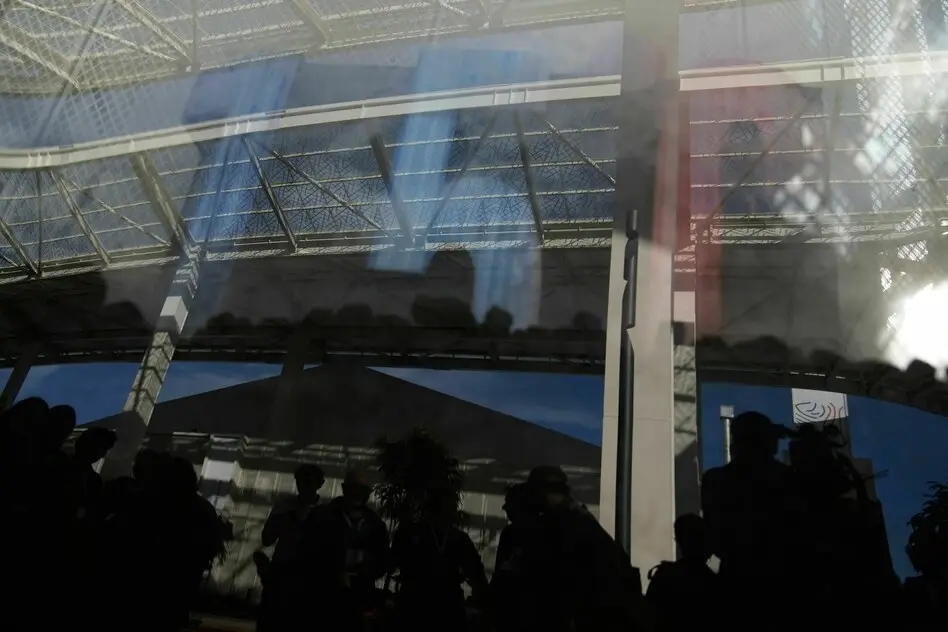
International climate protection must be faster – and fairer. Both UN climate chief Simon Stiell and UN Secretary General António Guterres made this clear on Monday at the start of the two-week world climate conference in Antalya, Turkey (COP31).
Guterres called on political leaders around the world to “get serious about reducing emissions more quickly and moving away from fossil fuels” – i.e. oil, gas and coal. Climate Secretary Stiell said that progress in climate protection was not being made quickly or fairly enough. This year's UN climate conference must therefore provide more than just warning signals: “Existing global goals and national plans must be broken down into concrete steps,” emphasized Stiell.
One of these goals is to triple the financial resources for climate adaptation by 2035 - this was agreed upon by the international community at the last world climate conference a year ago in Belém, Brazil. However, no comparison value was set there and so far many states have fallen short of their own promises. Guterres therefore put pressure on Antalya: “Particularly vulnerable states must receive the funds and protection they need.”
However, the question of who has to pay for the consequences of the climate crisis also caused controversy this year until shortly before the conference began. States in the Global South had pushed for negotiations on concrete financing steps to be included in the official program.
Industrialized countries fought back; The European Union had already ruled out promising new funds in advance. Germany has also recently broken its financing promises. Nevertheless, the discussions on a concrete form of the Belém decision have now apparently made it into the negotiation program, but not as a separate item on the agenda.
Turkish Environment Minister Murat Kurum, who was officially elected President of this year's COP on Monday morning, also called for speed in climate protection. “Delays cause some of the highest costs in climate protection.” Together with co-host Australia, the Turkish presidency wants to “help find solutions to the challenges of particularly vulnerable countries”.
The consequences of the climate crisis have already shaken several regions of the world this year - with droughts and forest fires like those in southern Europe in the summer, and floods like those in parts of Chile or Nepal. New disasters are looming in 2027: The year could be the warmest since measurements began, as the World Weather Organization (WMO) announced at the beginning of the conference.
The climate phenomenon El Niño, which occurs naturally at regular intervals but is particularly strong this year, significantly increases the risk of heat waves, tropical cyclones and storms with heavy rain. El Niño and the climate crisis act like accelerant for each other: The climate crisis intensifies the natural phenomenon El Niño, and El Niño causes global temperatures to rise further.
According to the WMO, the past twelve years have been the warmest ever recorded. As the UN environmental program Unep recently announced, the 1.5 degree target that the international community set itself in 2015 with the Paris Climate Agreement will certainly be exceeded, at least temporarily.
“If the land and sea continue to warm up, this will have drastic consequences for our life on earth,” warned Fentje Jacobsen, climate chief at the development organization WWF. “More extreme weather events lead to massive economic costs – and human lives.” Jacobsen is also calling for progress in moving away from fossil fuels, in electrification based on green electricity and in climate financing.
Electrification and financing issues are on the official COP negotiation plan later this week.