
Germany · taz · · 2h
Water shortages due to data centers: Digital first, think second
Deutsch (original) · Auto-translated to English
T he Environment Minister is currently trying to hold on to a windmill blade single-handedly. If water is scarce, Carsten Schneider (SPD) wants to make data center operators pay more for their consumption. Alternatively, they should invest in economical technology, he said earlier this week before an EU summit on water.
This attitude is not surprising for an environment minister, but it is for this federal government. Although it is a bit vague on many things, one thing is very clear: Germany should get more data centers. And not a little more, but a lot more. By 2030, capacities are to be at least doubled compared to 2025.
The capacities of data centers are measured in their connected load; in 2025, according to the federal government's data center strategy, it was 2,980 megawatts. The fact that the data center strategy refers to figures from the Borderstep Institute in this and other places suggests that it itself does not have a systematic overview of the status, which is also a problem, but a different one.
The approach is correct: we cannot avoid having our own data centers in Germany. Okay, come on, if we want to continue to depend on US providers and continue to happily push the data of private individuals, companies and authorities into their clouds. And at the same time, rely on software made in the USA instead of hosting open source applications yourself and thus being independent of the whims of a US president - and the pricing policies of tech companies.
But the question is: in what quantity and under what conditions will these data centers be built and operated? And here the federal government unfortunately follows the strategy: digital first, thinking second.
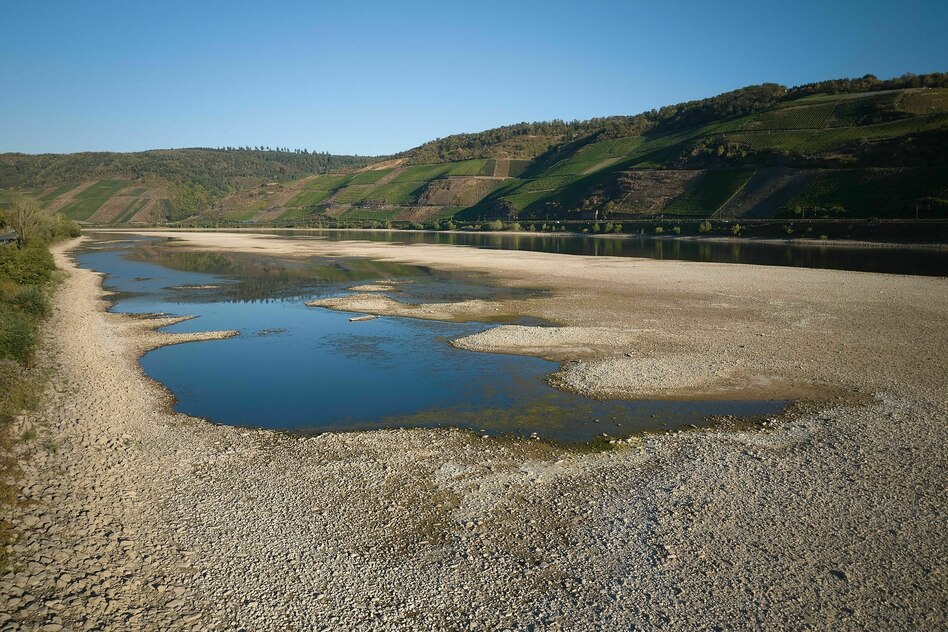
One symptom of this is the Energy Efficiency Act, which is currently before the Bundestag and, fittingly, was the subject of an expert hearing this week. Contrary to what its name suggests, the Energy Efficiency Act provides for a relaxation of resource consumption requirements for data centers. In times when rivers nationwide carry historically little water, a summer in which the right amount of rain for agriculture becomes the exception and residents where data centers are planned are worried about the water supply, stricter requirements would be needed rather than looser ones.
It would therefore be easy to fall into competitive thinking: Do we need the water for, for example, asparagus, where, according to various estimates, the cultivation of each kilo requires water quantities in the four-digit liter range? Or for cooling a data center where authorities store citizens’ data?
But competitiveness doesn't help. But an honest inventory. For example in Brandenburg, one of the driest regions in Germany. Amazon is building data centers there for its AWS cloud service. According to Greenpeace, Amazon has promised to use rainwater for cooling, but the organization doubts that there is enough rainfall for this. But apart from that: Do AWS data centers help Germany and Europe to become more independent from US providers? No, although in this case AWS actually puts in a lot of technical and organizational effort to appear as independent as possible.
What would help instead: an honest forecast of the capacities needed to secure digital sovereignty. This will most likely be well below the federal government's current forecasts. And exploring the locations where they cause as little ecological damage as possible. None of them will be possible, after all, the amount of land used alone is a damage. In times of climate crisis, specifications for economical technologies should be a matter of course - and not a single grab for the windmill blades.
Read the full story at the source
Source: taz