
Politics · taz · · 44m
Elections in Israel: Arab parties allowed to vote
Deutsch (original) · Auto-translated to English
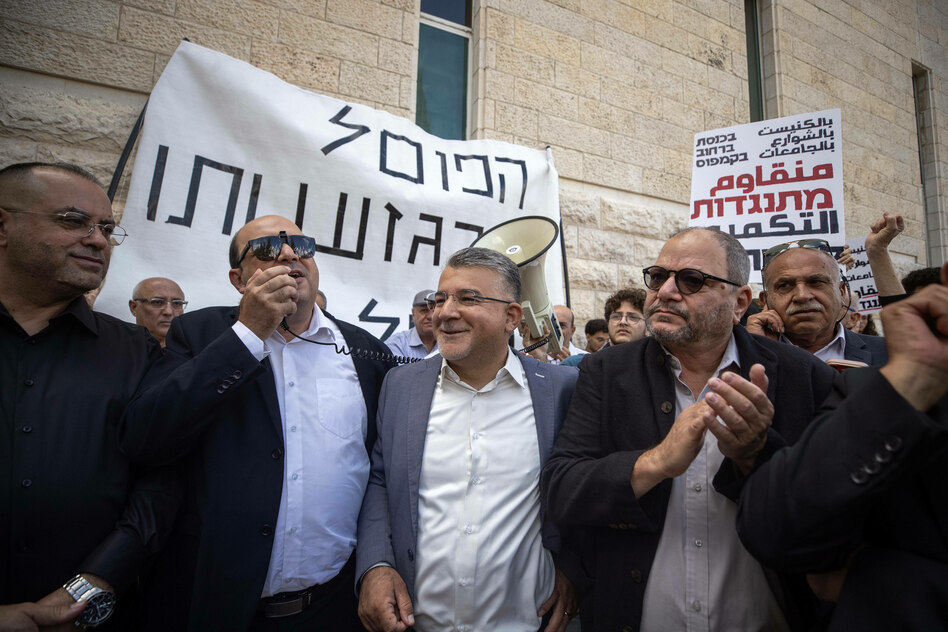
It was to be expected and yet caused a stir: the Supreme Court in Israel has approved the Arab parties for the next parliamentary election on October 27th. Right-wing religious and conservative parties such as the ruling Likud, which includes Prime Minister Benjamin Netanyahu, and Otzma Jehudit, which represents Security Minister Itamar Ben-Gvir, had called for a ban. Opposition parties also joined them.
The Likud's reason was, among other things, that "there is no place in the Knesset for those who try to harm Israeli soldiers and are unable to describe Hezbollah and Hamas as terrorist organizations." The Joint List, in German: United List, and Ra’am were affected. The list includes the parties Hadash, Balad and Ta'al, which have decided to enter the race together. There were also calls to exclude politicians Sami Abu Shehadeh and Ofer Cassif from the election campaign.
The Central Election Committee then disqualified the parties. As expected, they took the case to the Supreme Court and challenged the decision. Successfully. However, the court recommended that Balad leader Sami Abu Shehadeh withdraw his candidacy - which he then did. Apparently a majority of the judges were in favor of upholding the Central Committee's decision in his case. “This was the most difficult decision of my political career,” said Abu Shehadeh.
The Arab politician's downfall was an article he published one day after the Hamas attack on October 7, 2023. In it, he called the attack a "militarily, politically and strategically significant historical event" and wrote that "the real surprise is the resilience of the Palestinian people - until they reached the point of explosion." And that the Israeli intelligence service “can be prevented from penetrating our countries, parties and political movements (…) if we organize ourselves properly.”
The committee viewed the statements as supporting the armed struggle. Abu Shehadeh later regretted a passage in the article and said it was poorly worded. But he emphasized that he had never tolerated or advocated violence. Parliamentarian Ofer Cassif, however, is allowed to continue running.
The Joint List had described the committee's decision to ban its parties as "racist". “No attempt to silence us will work.” The Jewish and secular parties were afraid of the growing influence of the Arab parties and did not want to give up their power. Around 17 percent of all voters in Israel have Palestinian roots. Israel calls them Arab Israelis. If the current election forecasts are correct, the smaller parties could make the difference. Provided that she and the others are willing to form a coalition.
Read the full story at the source
Source: taz