
Germany · taz · · 49m
Suggestion for easier local transport: tickets based on time
Deutsch (original) · Auto-translated to English
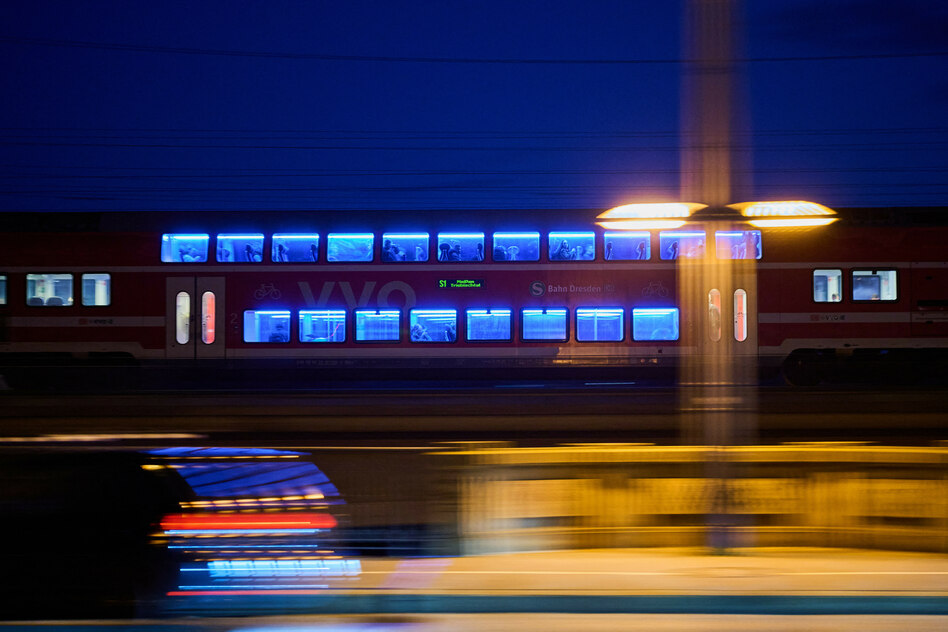
Do you take a single trip from Zone M to Zone 4 or for rings 1 and 2? Is the ticket AB enough to get to the airport, or do I need another one for C? And how many stops are considered a cheap short trip? When it comes to local bus and train travel, it's often not just tourists who are wondering which fare is the right and cheapest - and then perhaps don't get on. The Deutschlandticket is available for frequent travelers. But the consumer advice centers are now calling for a simple pricing model for everyone who only drives now and then.
The head of the federal association, Ramona Pop, told the German Press Agency: “Anyone who uses buses and trains in Germany needs a tariff system that works the same everywhere.” The Germany ticket is a successful start to ending the tariff jungle. This is also needed for occasional users who would continue to be faced with a confusing patchwork of network boundaries, tariff zones and ticket offers.
The consumer advocates therefore propose a pricing model that is based solely on the “time used” based on the timetable. Specifically, there should only be five ticket types - for 15 minutes, 30 minutes, 60 minutes, 120 minutes and for 24 hours. According to a position paper, this tariff approach can be used uniformly, is intuitive and easy to understand. The principle must be understood by passengers and could then apply everywhere.
“Especially in times of rising fuel prices, consumers need attractive alternatives to cars,” said Pop. The system should be usable digitally, but also analogue, for example with ticket machines. This would make local public transport much easier for people who only use buses and trains now and then and don't want to take out a subscription.
The Deutschlandticket, introduced in 2023, is particularly interesting for frequent travelers and now has 14.5 million customers. It enables travel on all regional and local buses and trains in Germany, regardless of tariff regulations. It has cost 63 euros a month since the beginning of the year. (dpa)
Read the full story at the source
Source: taz