
Climate taz
Controversial plastic tax: deceptive package for the climate and the environment
The coalition is arguing about the planned tax for plastic packaging manufacturers. The SPD has made it easy for the Union to fight against it. more...
Deutsch (original) ·Auto-translated to English
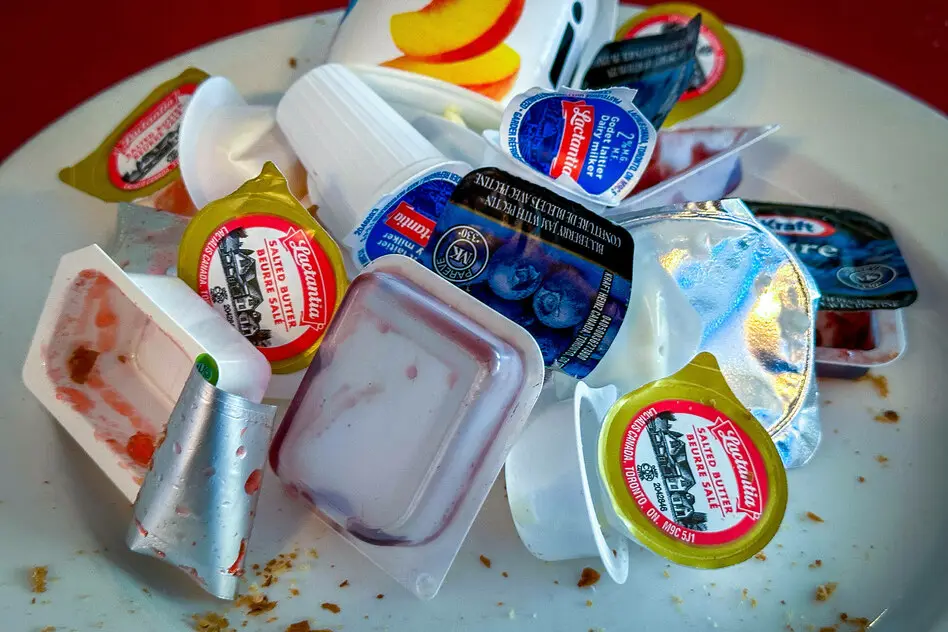
We eat plastic. We drink plastic. We even breathe in plastic. Plastic makes us sick and pollutes the environment. Manufacturing is also a climate disaster, comparable to global air traffic.
In this respect, one can find it negligent when Union parliamentary group leader Thorsten Frei simply says on ZDF: “We won’t do the plastic tax.” Finance Minister Lars Klingbeil (SPD) is already planning with the revenue, Environment Minister Carsten Schneider (SPD) has presented the draft law. It is unclear whether there can still be an agreement by Thursday. Then the Budget Committee of the Bundestag meets for the crucial adjustment session on the 2027 federal budget.
Unfortunately, the SPD made it easy for the Union to scrap the plastic tax. The concept has a major flaw: the tax is likely to bring in money for the state, but it is unlikely to benefit the climate and the environment.
The taz is an independent, left-wing and opinionated daily newspaper. We have been arguing in our comments, essays and debate texts since the taz was founded in 1979. We often cannot and do not want to agree on an opinion. That's why you'll find some completely opposing positions here - all part of the very broad left-wing spectrum of opinions.
Of course, it is also good if the state gets money back from the manufacturers of plastic packaging. They cost him a lot: since 2021, EU countries have had to pay 80 cents to the EU budget for every kilogram of unrecycled plastic packaging waste. Germany pays around 1.4 billion euros for this every year. But that would be a good reason to get to the root of the problem.
Experts warn: The amount of the planned tax is not enough to make recycling material more attractive. Because it only applies to packaging with a plastic content of 5 percent or more, it could even have negative effects. After all, that could be an incentive to use cardboard with a thin plastic coating. Such composites are difficult to separate and are therefore rarely recycled.
Union parliamentary group leader Frei also argued, among other things, with the lack of ecological impact. One can safely question the fact that this interests him more than the protests of many lobby associations. But if the argument works in his favor, he will of course use it. The SPD could and should have avoided that.