
World · taz · · 3h
Turkish military in Iraq: troop withdrawal in the light variant
Deutsch (original) · Auto-translated to English
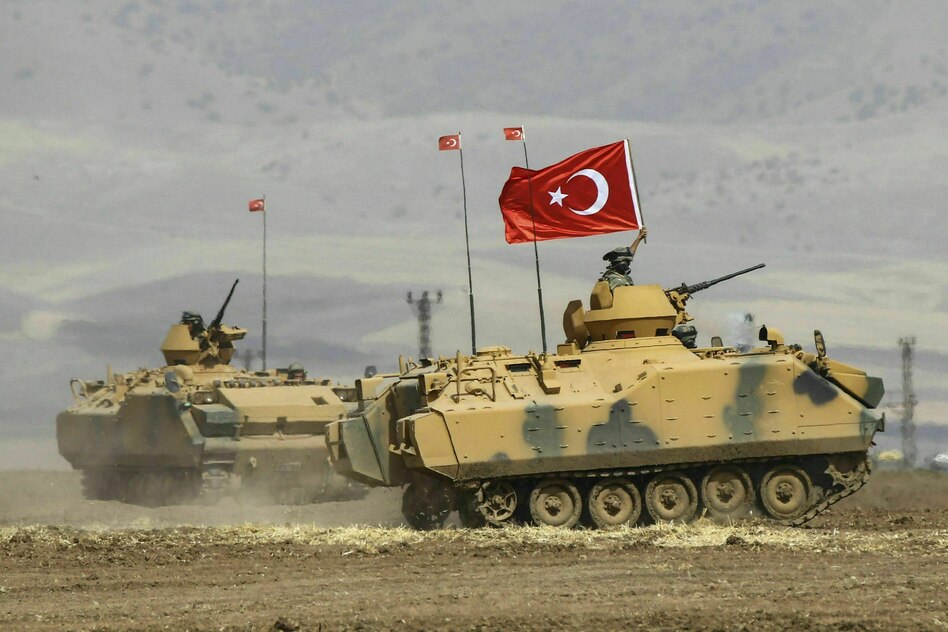
On the sidelines of the United Nations General Assembly, Turkish President Recep Tayyip Erdoğan and Iraqi Prime Minister Ali al-Zaidi announced that Turkey would evacuate a major military base near Mosul by the end of the year. Turkey positioned its military there in 2015, ostensibly as part of the fight against the jihadist militia Islamic State. After the US - which had already agreed with Baghdad to withdraw its last troops by the end of this month - Ankara's troops are the last foreign troops in the country.
And the agreements with the USA and Turkey sound more groundbreaking than they actually are. Although the deployment of troops by foreign powers in Iraq is actually coming to an end, there remain “security options” that both countries reserve for themselves. The final withdrawal of the Americans should take place parallel to the disarmament of the Iraqi militias allied with Iran. This is intended to ensure that Iran's influence does not increase further with the US withdrawal.
But since the war between the USA and Iran began in the spring of this year, there has been no talk of the withdrawal of the militias supported by Tehran or their disarmament. On the contrary, these militias are shelling US troops near Baghdad airport and even attacking Saudi oil facilities from inside Iraq.
In this tense situation, al-Zaidi may well ask US troops to stay a little longer. This applies even more to the regional government in northern Iraq. A US contingent is stationed in Erbil in northern Iraq. And in view of ongoing Iranian attacks on northern Iraq, the Kurds continue to seek protection from US troops.
The withdrawal of the Turkish military from the base near Mosul would not be the end of a Turkish military presence in Iraq anyway. Since the Kurdish Workers' Party (PKK) began attacking Turkey from northern Iraq in the 1990s, the Turkish army has gradually built up more and more military posts. This covers the entire length of the Turkish-Iraqi border, sometimes extending up to 40 kilometers deep into northern Iraq. This area is known as the so-called “killing zone,” which Turkey monitors with drones and regularly attacks from the air.
However, the battle between the PKK and the Turkish army has come to a standstill since the beginning of this year. The PKK had agreed to end the armed struggle, hand over its weapons and disband as a fighting force.
However, the Turkish military and especially the secret service are still present in the region to monitor the disarmament of the PKK. Until this process is completed, the Kurdish farmers, some of whom were expelled from the area many years ago, will not be allowed to return.
The situation is similar in northern Syria. Following an agreement between the Kurdish self-government in the north-east of the country and the new government in Damascus, Turkey has begun to withdraw its troops and the militias it armed.
The Kurdish residents of Afrin were then allowed to return to their homeland after years of displacement. But Sunni militias, which have close ties to Ankara and also Damascus, continue to be in charge there. For example, the houses of the former Kurdish residents are often occupied by militia members - and the returnees don't know where to go. Other houses have been destroyed and rebuilding them costs a lot of money.
It will take some time before anything resembling normality returns to both northern Iraq and northern Syria.
Read the full story at the source
Source: taz