
Germany · taz · 7h
Technology in football: When the VAR still sat in a glass booth in the stands
Deutsch (original) · Auto-translated to English
There is an anniversary to be celebrated in October. 50 years of VAR. Strictly speaking, it's not the Video Assistant Referee, introduced in 1976, but its groundbreaking predecessor. The device with which Pierre Joly and René Moreau from France wanted to revolutionize football was called the “referee machine”. “An electronic referee machine, which only carries out majority decisions by the three-man referee/lines judge team, has now been developed by two engineers in Boulogne-sur-Mer,” said a report from the AP news agency, which was published in several newspapers on October 22, 1976.
This is how the system worked: The referee team was supposed to watch the game from a glass-enclosed booth, each positioned in front of a control head. "If at least two of the three referees recognize a rule violation and press their buttons no more than two seconds apart, the game is interrupted by a bell. If only one presses the button because of a rule violation, nothing happens."
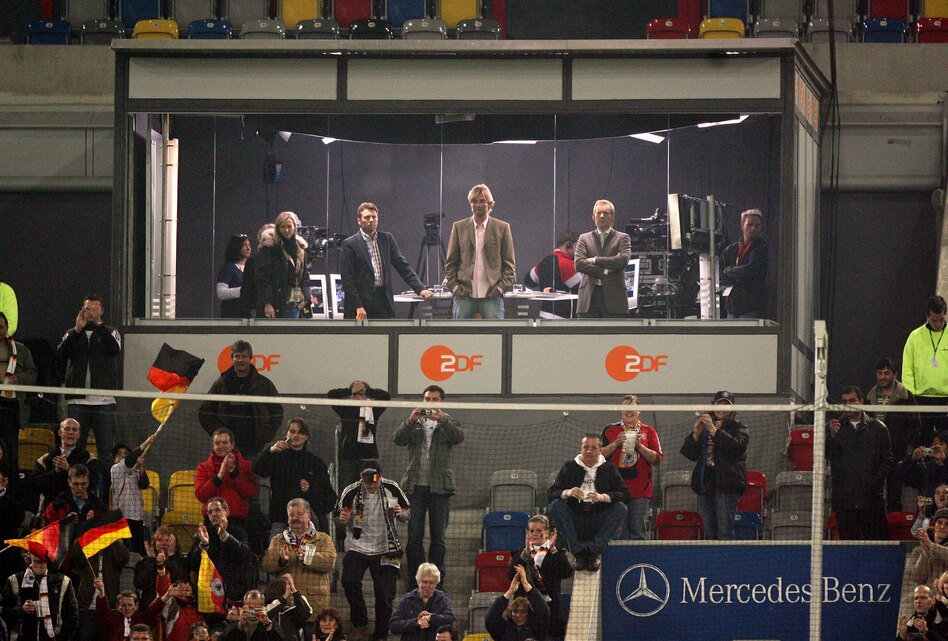
A cabin for the referees that is located in the stadium: a kind of Cologne basement, only not in the basement, but the other one is no longer in Cologne either. More like a TV studio, but with a particularly good view of the playing field.
One of the two inventors, René Moreau, explained at the time: “This majority system would abolish the all-powerful and infallible arbitrator.” He also predicted civilizing effects on the social environment: "And there would hardly be any spectator riots because of questionable referee decisions. In addition, the trio of referees sitting in the dressing room would be better protected from possible popular anger."
The “referee machine” did not prevail. It hasn't even been tried yet. But isn't the VAR a worthy successor?
Read the full story at the source →
Source: taz