
Germany · taz · · 55m
Refueling is becoming more and more expensive: the coalition continues to fight for relief from fuel prices
Deutsch (original) · Auto-translated to English
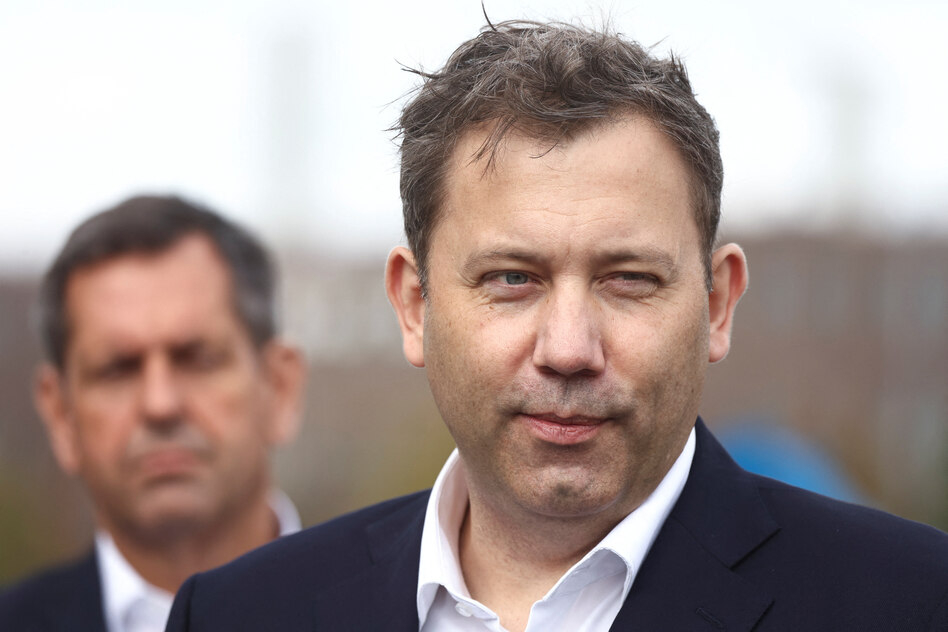
dpa | The federal government continues to struggle to find measures against high fuel prices. Even a high-level meeting on Thursday evening did not bring a final agreement - although the CDU in particular is under enormous pressure to deliver something quickly before the upcoming state elections in Mecklenburg-Western Pomerania and Berlin.
“We are currently looking for solutions,” said Finance Minister Lars Klingbeil (SPD) in the morning before a meeting of European finance ministers in Dublin. “I now want a clear, quick signal at the petrol pumps,” emphasized the Vice Chancellor. “We’re working on that and I’m also confident that we’ll get it done very quickly.”
Chancellor Friedrich Merz (CDU) promised quick relief in a speech on Tuesday - but he left concrete measures open. On Thursday, CDU General Secretary Franziska Hoppermann named a concrete relief range for the first time. A reduction of “21, 23, 25 cents per liter” would be a noticeable relief, said Hoppermann on the ZDF program “Maybrit Illner”. “And that’s what we’re going to tackle now, at the beginning of October.” There are very different ideas about this in the black-red coalition.
Klingbeil has been promoting a price cap, i.e. a government-set maximum price at the pump, for months. He is also pushing for a European excess profits tax for oil companies. This means that additional taxes would have to be paid on particularly high profits and the income could be passed on to the citizens. However, the definition of excess profit is controversial.
Both measures brought into play by the finance minister would not burden the federal budget, but would instead control the market. “The citizens in our countries are currently seeing how the oil companies are exploiting the current situation, ripping them off and significantly increasing their profits,” said Klingbeil in Dublin. That’s why the European Commission “must get into the swing of things now and make an effort now and give us options.”
In the Union, however, excess profits tax and price caps are viewed critically. Economics Minister Katherina Reiche (CDU) initially advocated a direct payment for people with little income - but the federal government cannot technically do that yet. Then she brought up a reduction in VAT on petrol and diesel from 19 to 7 percent.
According to calculations by tax expert Stefan Bach from the German Institute for Economic Research, with a fuel price of 2.30 euros per liter, this would mathematically mean a price reduction of 23.2 cents. This is a greater relief than the fuel discount that was temporarily introduced in the spring, explained Bach on X.
However, a tax cut is not without problems. Not only would it lead to lower tax revenue for the federal and state governments - the states would therefore also have to agree. The EU also sets limits on tax cuts. Reduced VAT rates are generally not permitted for petrol and diesel under the EU VAT Directive. For consumption taxes such as energy tax, there are minimum rates that can only be fallen below with special permission.
Read the full story at the source
Source: taz